More Changes Unveiled for Round 5 of the ReConnect Program
Key revisions to this new round of ReConnect include awarding priority points to applications from states with the highest concentrations of unserved locations.

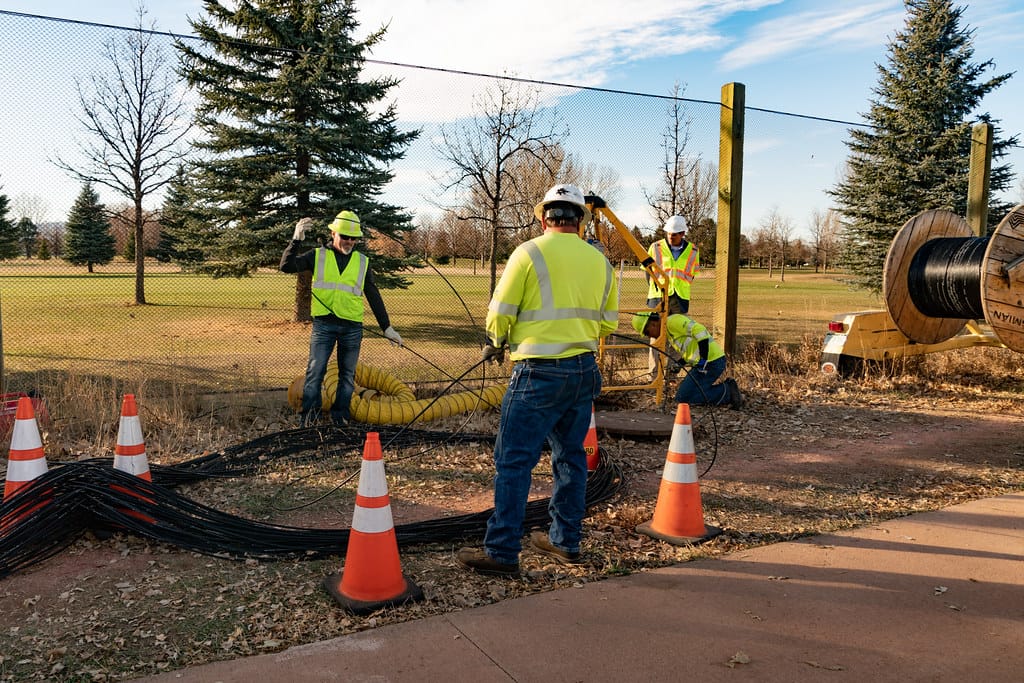
WASHINGTON, February 28, 2024 – Key revisions in this latest round of ReConnect include awarding priority points to applications for service areas in states with the highest concentrations of unserved locations, refining the definition of sufficient broadband access, and introducing new definitions for "enforceable commitment" and "federal funds."
The U.S. Department of Agriculture Secretary announced last Wednesday the introduction of updated rules aimed at enhancing program effectiveness.
In addition to awarding prioritization points for applications whose proposed service areas are in states with the highest concentrations of unserved broadband locations, the definition of "sufficient access to broadband" has been refined to encompass households with fixed, terrestrial broadband speeds of 25 Megabits per second for download and 3 Mbps for upload.
To facilitate interagency coordination efforts between multiple current federal broadband funding programs, new definitions for "enforceable commitment" and "federal funds" have been introduced.
Furthermore, eligibility criteria have been broadened for organizations, including Tribes, that meet stringent financial tests, thereby streamlining application processes within ReConnect.
To accommodate these changes, USDA has extended the application window, ensuring applicants have adequate time to complete all necessary components. Providers will now have until May 21 to submit their applications.
In preparation for Round 5, the USDA will host an overview of the notice of funding opportunity on March 6, providing stakeholders with insights into the program's updated guidelines and procedures.
Based on tentative results, about 65% of BEAD locations are in line for fiber. Another 22% will get satellite, and 10% will get fixed wireless.
CAR says the 39% Cap is stifling free markets and failing to check the power of Big Tech and Big Hollywood
The commercial boom in AI has sparked interest in humanoid robots. Around 50 companies are investing heavily in humanoid development.
The change affects all foreign-owned satellite internet providers that operate in South Africa.
Member discussion