National Urban League CEO Says Infrastructure Bill and Latimer Plan Will Help Close Digital Divide
The plan addresses availability and adoption of a high-speed internet connection for disadvantaged communities.

WASHINGTON, February 14, 2022 – The President of the National Urban League said the digital equity provisions in the infrastructure bill will further the advocacy group’s goal of closing the digital divide.
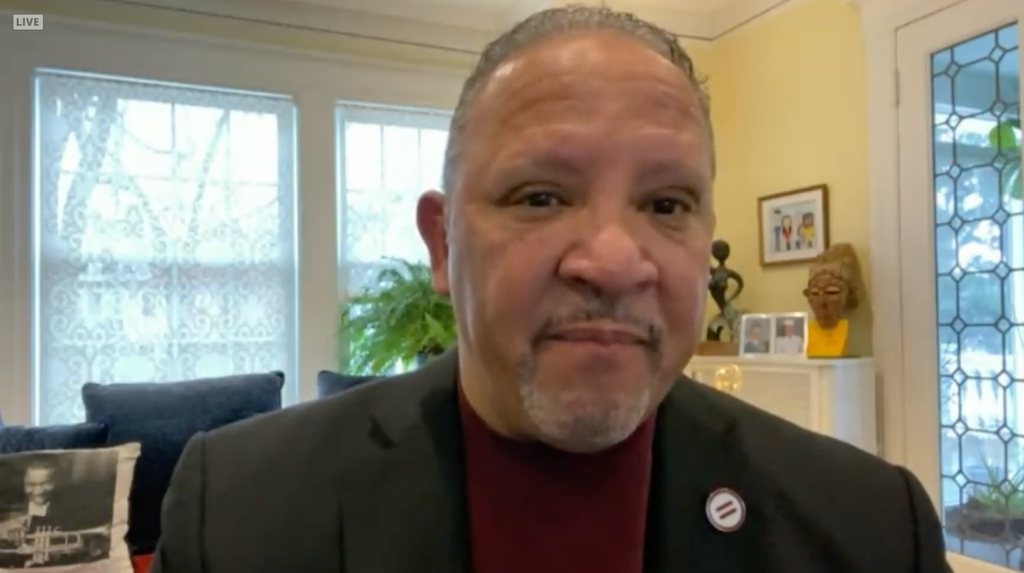
Delivering the keynote at an AT&T Policy Forum session on Thursday, Marc Morial told viewers that implementing NUL’s Latimer digital equity plan – named after Black American inventor, draftsman and engineer Lewis Howard Latimer and proposed in September of last year – will promote connectivity and inclusion to all families across the United States by addressing availability, adoption and access to economic opportunity that keeps communities of color behind in American society.
Referencing the recently-passed Infrastructure Investment and Jobs Act of 2021, Morial said policymakers “can’t talk about our infrastructure anymore without talking about universal access to high-quality internet. The IIJA allocates $2.75 billion for the Digital Equity Act, where funds are designed to help improve states and local governments’ digital inclusion efforts.
“Communities of color have been left out of the internet revolution,” Morial said. “With the IIJA, there are tools and resources available to begin to address that,” cautioning that there must be “careful, equitable deployment” of federal funds.
“A high-speed internet connection is an essentiality of living, working, thriving, and living in the nation today,” Morial said. “In the 21st century, it’s similar to indoor plumbing, electricity and roadways in the 20th century.”
Experts say true AI literacy is about much more than learning how to use generative AI. It's also about learning when not to.
The longtime telecom policy analyst didn’t say what his future plans were
The FCC approved Verizon’s request to discontinue legacy service later this year across eight states. AT&T and Fidium are also asking.
A Capital Projects Fund project was canceled while 15 others saw reductions in planned reach