
New York Telecom Group Backs FCC Push to Retire Copper Networks
Industry groups say outdated infrastructure is costly, vulnerable, and slows broadband investment.


WASHINGTON, March 24, 2026 – New York state broadband providers want help getting rid of outdated copper networks in the age of fiber.
In a letter to the FCC, the New York State Telecommunications Association urged the agency to move forward with plans to ease the retirement of legacy copper networks, arguing the shift is necessary to accelerate broadband investment and improve network reliability.
In a filing with the FCC, the New York State Telecommunications Association said maintaining aging copper systems has become a financial and operational burden for providers, diverting resources away from modern fiber deployment.

The group said demand for traditional landline service has sharply declined, with copper-based subscriptions falling more than 80 percent over the past decade as consumers increasingly rely on wireless and broadband services.
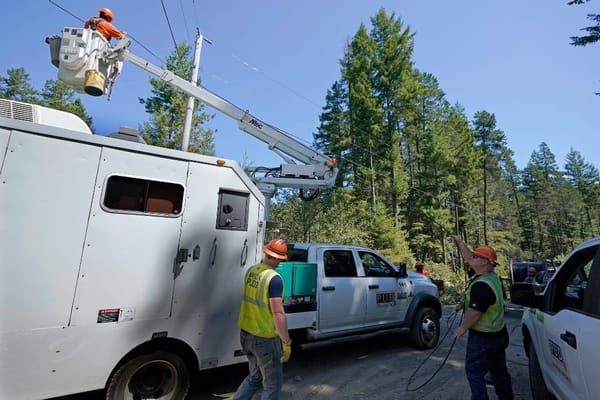
At the same time, copper infrastructure has become more difficult and costly to maintain, with key components no longer manufactured and networks increasingly targeted for theft and vandalism. The association cited more than 15,000 incidents of infrastructure theft and sabotage over a recent one-year period, disrupting service for millions of customers.
The group backed the FCC’s proposal to streamline approvals for discontinuing legacy services and to affirm federal authority over state rules that may delay network transitions.
State-level requirements, such as carrier-of-last-resort obligations or complex exit procedures, can prolong the operation of outdated systems even after federal approval is granted, the group said.
A more consistent national framework for retiring copper networks would allow providers to redirect investment toward fiber and other advanced infrastructure, particularly in rural and underserved areas, the association said.
The comments were filed in response to FCC proceedings focused on reducing barriers to network modernization and accelerating the transition to next-generation communications infrastructure.








Member discussion