
Nuclear Regulatory Commission Overhauls Licensing Framework
In its first rule update since 1989, the NRC hopes to fast track next-gen nuclear energy deployment.

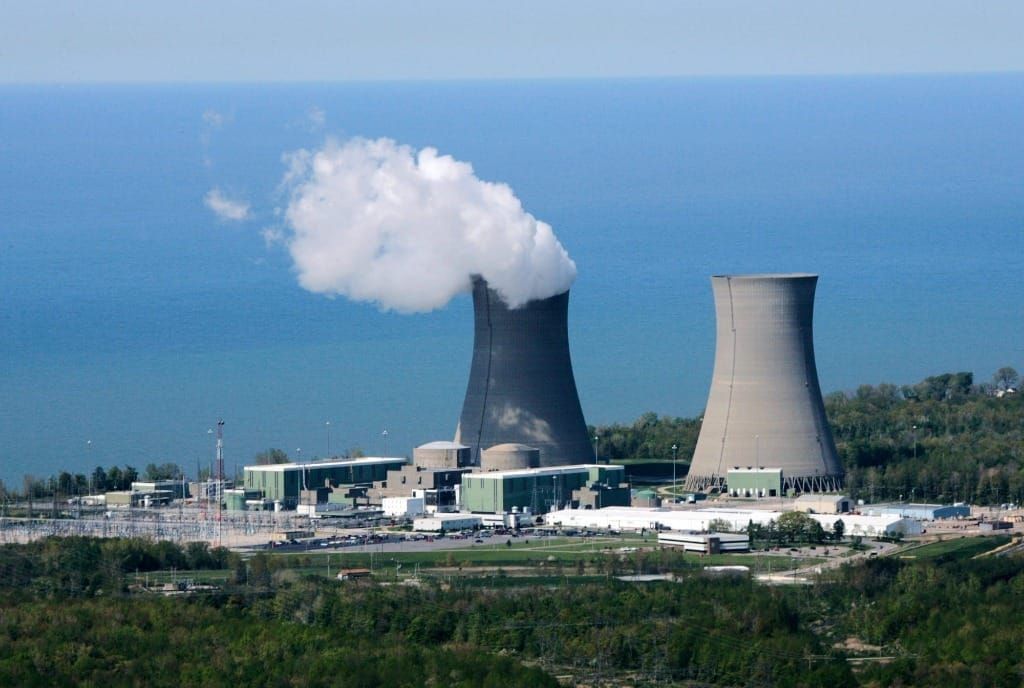
WASHINGTON, April 8, 2026 – Next-Gen nuclear deployment took a big step forward as the Nuclear Regulatory Commission moved to overhaul its licensing process.
The finalization of “Rule 53,” announced on March 25, introduced new safety standards along with flexibility over reactor design to spur new development and get the next wave of nuclear power up and running.
“This final rule is a major NRC action that provides a clear risk-informed, technology-inclusive licensing framework to enable new nuclear to safely move faster from concept to construction,” NRC Chairman Ho K. Nieh said in the press release. “It is another example of how the NRC is delivering on its mission by keeping safety at the forefront while aligning to the evolving nuclear energy landscape.”

The new approach, according to the NRC, incorporates years of research with the Department of Energy, industry and the public to increase applicability to a variety of new designs, reducing its burden to comply with traditional light water reactor standards.
In addition, it establishes a “performance based approach” from a "prescriptive approach” which will allow designers to demonstrate safety and efficiency standards relevant to the new technology.
According to Shuting Pomerleau, director of energy and environment for the American Action Forum, the new rule broadened the licensing process by increasing flexibility to match the technological advancements that have occurred over the last 37 years.
According to data from the American Action Forum, only two nuclear power plants have been approved under the previous framework since 1989.
The adoption of this rule furthers a lengthy process to increase nuclear power development in the U.S.. Congress first started in 2019 with the passage of the “Nuclear Energy Innovation and Modernization Act”, which instructed the NRC to develop new processes for licensing.
With the passage of the “ADVANCE Act” Congress furthered the incentives for development of next-gen nuclear including reducing licensing fees and granting prize awards for technological advancement.







Member discussion