Pew: Technology Divides Persist Amid Increased Reliance on Smartphones
As smartphone use increases, broadband subscriptions have decreased, the survey found.

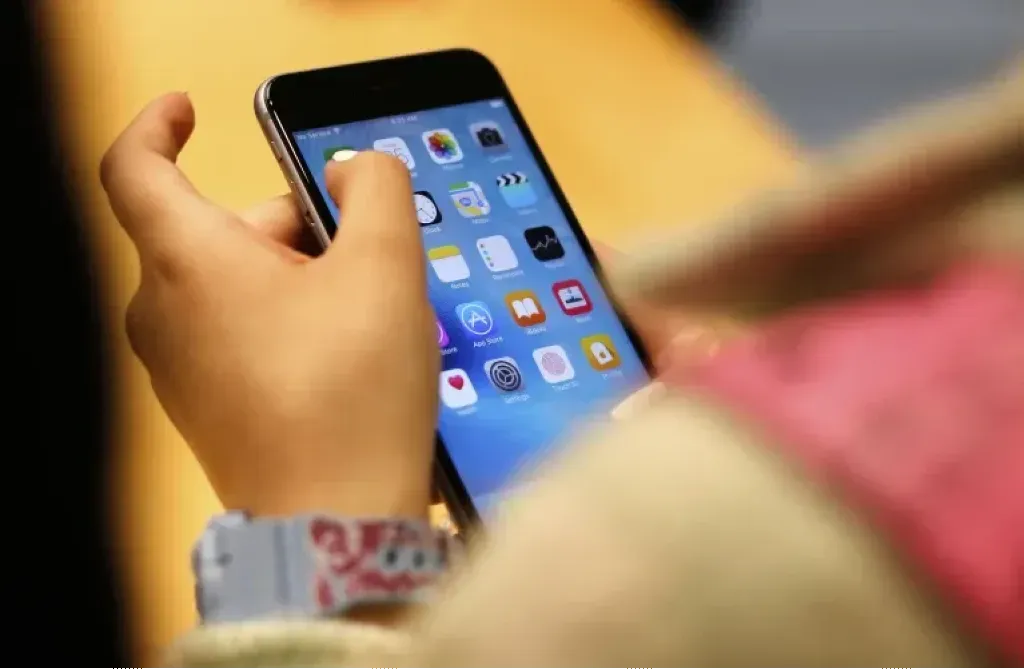
WASHINGTON, Jan. 16, 2026 – Technology, broadband and digital divides continue to persist across income-levels and demographics in 2025, despite a continuous rise and reliance on smartphone use in the U.S., a newly published Pew Research Center study found.
Pew conducted its annual technology survey from February to June 2025, a survey that Pew has used for research since 2000. The results were released on Jan. 8, 2026.
In alignment with 2023 and 2024, Pew said nine-in-ten U.S. adults use the internet daily, with 41 percent saying they are online almost constantly. \
“Over the years, some of the biggest and most consistent divides in home internet access have been by household income,” the Pew study stated. “That remains true today.”
Home broadband subscriptions are 40 percent more common for households making $100,000-plus incomes compared to households making less than $30,000 a year. In addition to the effect of income on broadband access, inequality also persists for people in differing residential settings and demographics.
Additionally, Pew found that smartphone ownership and use has increased, with 78 percent of adults 65 and older also owning this device.
However, within the last two years, broadband home subscriptions have decreased 7 percent among young adults and Hispanic adults. In total, eight-in-ten Americans say they continue to subscribe to broadband at home.
State office brings first of many Rescue Plan Act-funded broadband projects online.
Federal spectrum auction mandates could threaten CBRS's GAA tier, which enables diverse users from rural ISPs to enterprises to deploy private wireless networks.
Still, the E-Rate program got caught in partisan crossfire, as some senators said the program led to unsupervised connectivity in schools.
Member discussion