NTIA not Sold on New Licensing for Subsea Cable Terminals
The Department of Homeland Security disagreed, saying it supported the FCC’s proposed licensing regime.

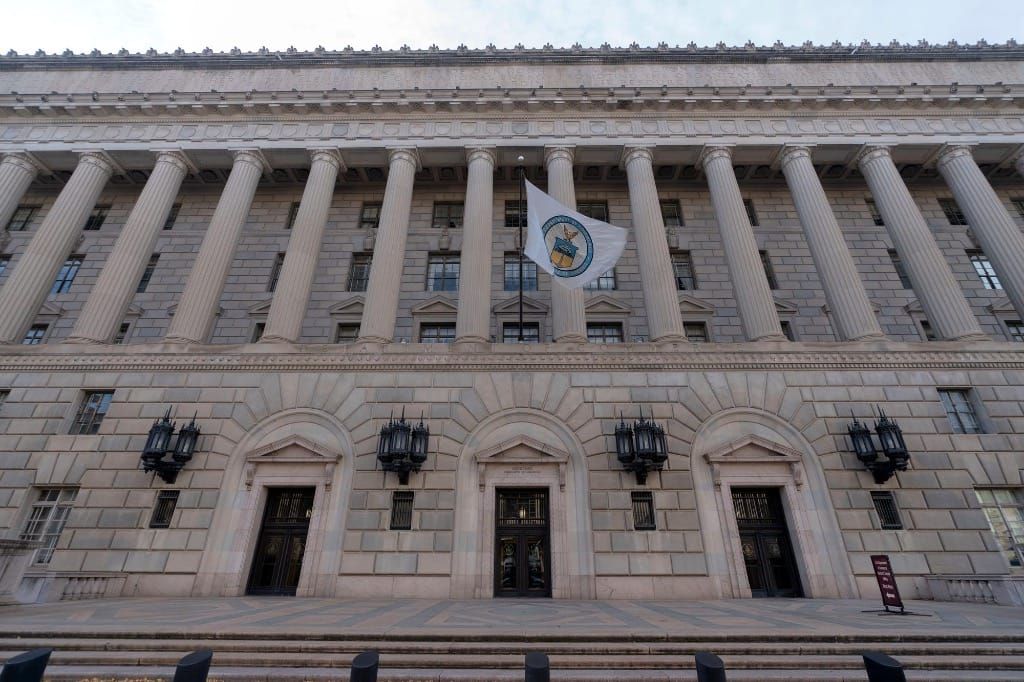
WASHINGTON, March 3, 2026 – The White House’s top telecom advisor isn’t keen on another agency’s proposal to expand licensing requirements to companies operating submarine cable terminals.
The Federal Communications Commission sought comment in August on issuing blanket licenses to companies operating those terminals, where submarine cables connect with terrestrial broadband networks.
A licensing regime for those companies has been opposed by industry groups, but the FCC said in its August notice that federal law enforcement agencies had “identified substantial national security risks associated with” submarine line terminal equipment, or SLTE. Trade groups urged the agency in December not to move forward, arguing it would be redundant and burdensome.
The FCC's drone ruling, once aimed at China-based DJI, now covers all foreign components, and industry experts warn the broad scope may backfire on American drone dominance.
Among the 10 companies blacklisted by China are AVEOX in Simi Valley, California; Red Cat Holdings and Teal Drones, both in South Salt Lake, Utah; and IMSAR in Springville, Utah.
Society has no choice but to change in the advent of AI, although Huang has been optimistic about the technology’s potential.
The Federal Energy Regulatory Commission has ordered regional grid operators to help large energy users connect more quickly to the grid.