EchoStar Aiming to Sell Remaining Terrestrial Spectrum by Sept. 2028
The company said it would commit to doing so if the FCC waived buildout deadlines for the licenses.

WASHINGTON, June 1, 2026 – Echostar is aiming to sell the rest of its terrestrial wireless licenses by September 2028, the company told federal regulators.
If the company can’t sell them for fair value by Sept. 1, 2028, it would hold a private auction by March 1, 2029, EchoStar said in a filing with the Federal Communications Commission Friday.

The company made those assurances in an effort to get the agency to waive build out deadlines and other rules related to its remaining licenses. That would include its 700 MegaHertz (MHz), paired AWS-3, CBRS, C-band, millimeter wave, and video distribution spectrum.
For AWS-3, EchoStar asked for new build out deadlines of Sept. 1, 2032 and Sept. 1, 2038 — the company didn’t propose alternative timelines for the other licenses. The company said that if it failed to sell the licenses at auction it would agree to its first deadline being deemed missed, which would move the second deadline up by two years.
EchoStar said the extensions and waivers would result in the airwaves being put to use quicker, as buyers wouldn’t be scared off by existing buildout and service obligations based on licensure dates years in the past.
“There is good cause for the requested extension and waivers because a strict application of the rules would not promote their very goal — prompt and intense spectrum use to provide service to the public,” the company wrote.
The request was filed the same day as EchoStar reached a settlement with the FCC to drop its lawsuit over the re-auction of AWS-3 licenses EchoStar had handed back. That re-auction begins Tuesday.
Blair Levin, New Street Research’s policy advisor and former FCC chief of staff, wrote in an investor note that the agency and the company could have agreed to the extensions as part of the negotiation.
“Even if we are wrong that it was pre-negotiated, we think SATS is likely to obtain the extension request,” he wrote, referring to EchoStar by its stock ticker. While the FCC “might want to keep the pressure on SATS to sell spectrum, there is no benefit to forcing a party that is about to sell to build out a network that may not be used by the ultimate buyer."
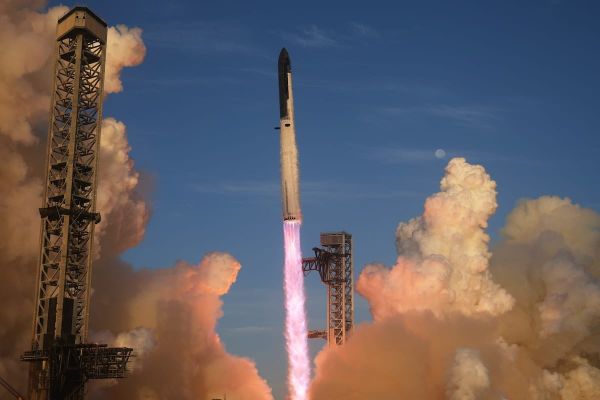
EchoStar has already reached deals to sell $42.6 billion worth of spectrum to SpaceX and AT&T. As part of those deals, it is turning down its wireless network and running its Boost Mobile brand largely on AT&T infrastructure.
The company noted that the FCC waived the same rules in those previous sales.
The satellite operator is setting up a new arm to manage the money it’s receiving from the sales, some of which will have to be set aside to pay any settlement EchoStar might owe angry business partners who are suing Dish for unpaid contracts. EchoStar has maintained the contracts are void after the sales.
Satellite spectrum isn’t auctioned and is usually shared, and EchoStar would retain its ability to operate its satellite pay-TV and broadband businesses.
EchoStar got buildout deadline extensions for some of its licenses in 2024 during the Biden administration. The company has several milestones approaching, it said, in 2028.
FCC Chairman Brendan Carr, a commissioner at the time, opposed the deadline extensions. Convinced EchoStar wasn’t putting its airwaves to good use, he opened probes into its compliance with license rules last year, which the company says effectively forced the SpaceX and AT&T sales.
Bloomberg reported last year that Verizon was interested in EchoStar’s AWS-3 holdings.