D.C. Mayoral Candidate Suggests Small Nuclear Reactor in Nation’s Capital
First-time candidate Gary Goodweather acknowledged the idea's 'marketing problem,' but said he can make it work.

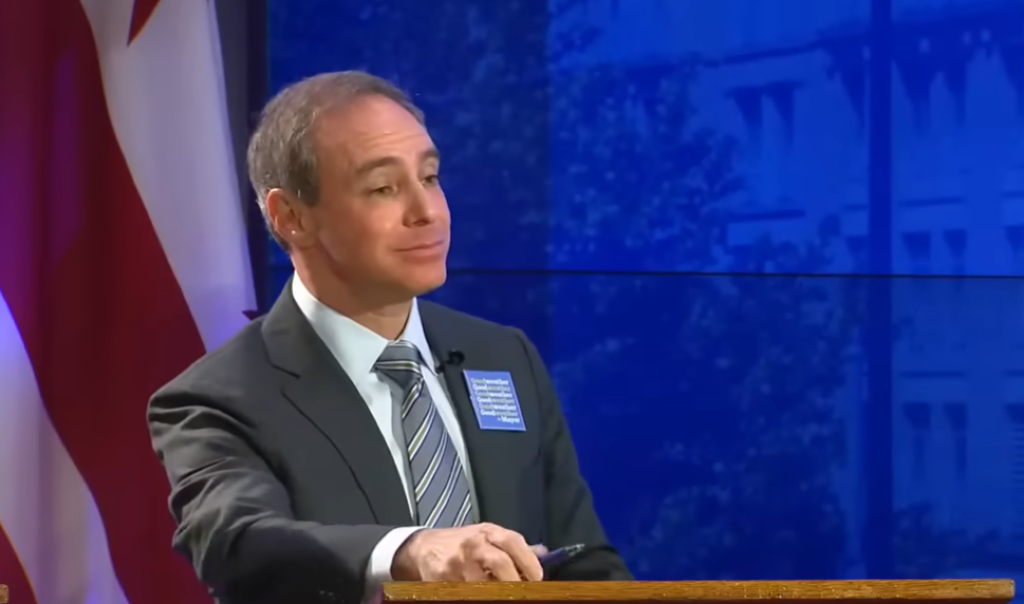
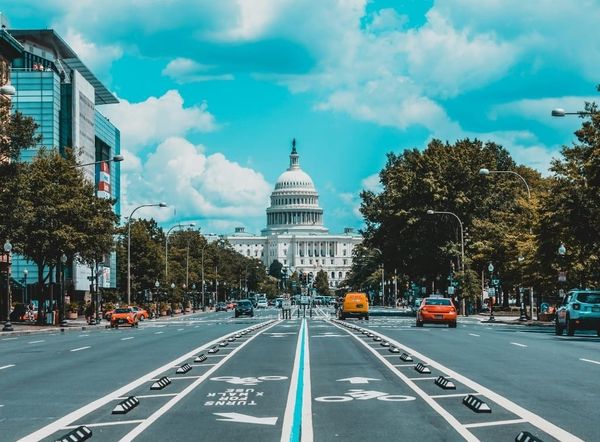
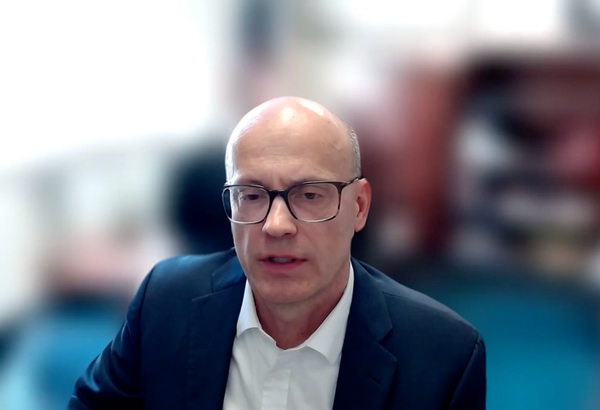
WASHINGTON, June 1, 2026 — Washington, D.C. Democratic mayoral candidate Gary Goodweather has floated the idea of building a small nuclear reactor in the nation’s capital to curb rising electricity costs.
“It can’t melt down. It has very minimal waste. And it’s scalable to be able to provide electricity to our city,” Goodweather told ABC 7 News.
During a Democratic primary debate on May 18, Goodweather acknowledged the “marketing problem” with his proposal, but said the nuclear reactor would be built on federal land and supplemented with investments in solar and geothermal energy.
“Those technologies, when they’re expanded at scale, can … bring down utility costs almost immediately,” he said.
While nuclear facilities are largely secure from physical threats, cyber attacks and waste disposal remain significant issues. Goodweather mentioned the Department of Homeland Security’s Anacostia headquarters and nearby Joint Base Anacostia-Bolling, or JBAB, as possible locations for the reactor.
Goodweather’s proposal could test whether America’s growing enthusiasm for nuclear energy will translate into local buildouts.
“Even smaller modular reactors produce some level of nuclear waste,” said Barry G. Rabe, a Senior Fellow of Governance Studies at the Brookings Institution. “In all likelihood, any new reactor would become a de facto storage facility.”
Goodweather is a former Army Captain and real estate developer. He is running for office for the first time. The primary election will be held on June 16.
The proposal would expand agencies’ ability to terminate awards after being issued.
The company said it would commit to doing so if the FCC waived buildout deadlines for the licenses.
The company is seeking reimbursements for the shift from C-band to Ku-band.
State AG said company suppressed internal safety warnings and deceived users about the true nature and dangers of the product.