CPUC Seeking Comment on FCC Copper Preemption Order
The state wants input on whether federal rules impact its regulations.

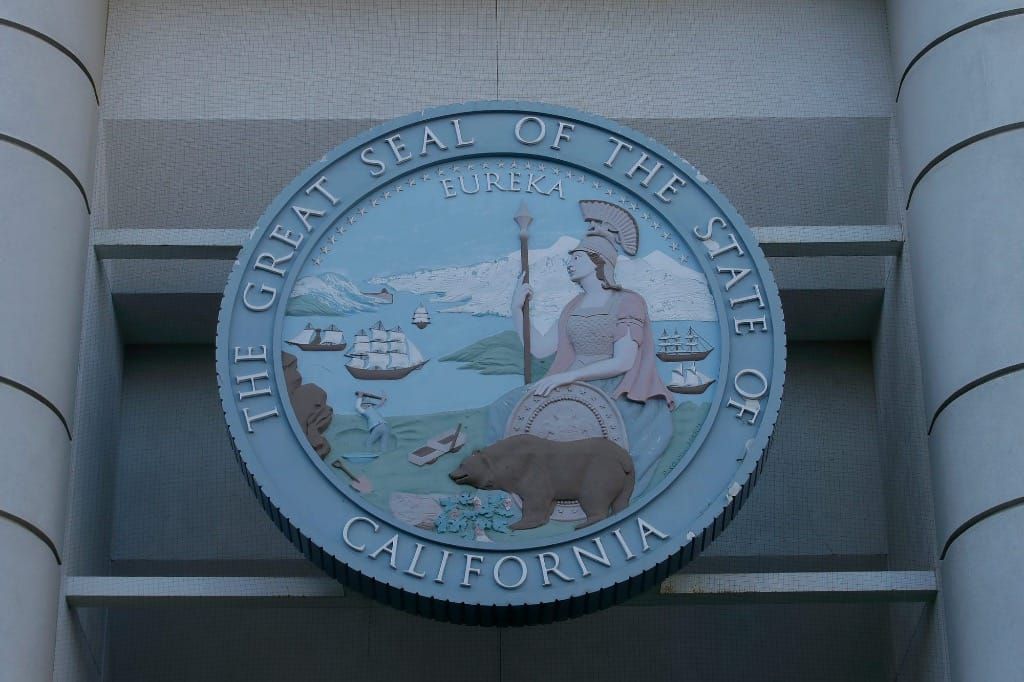
WASHINGTON, June 1, 2026 – California’s telecom regulator is seeking input on whether its copper retirement policies could be preempted by federal rules.
The California Public Utilities Commission put out a notice soliciting comment on the issue May 28. It said commenters should “provide a detailed explanation” of how Federal Communications Commission rules impact the CPUC, and whether the agency should change its rules to harmonize with FCC regulations.

Comments are due June 10, with replies due June 17.
The FCC said in a March order that state laws on copper retirement could be preempted if they conflicted with FCC policies. FCC Chairman Brendan Carr has sought to make it easier for ISPs to retire the legacy infrastructure, which is costly to maintain and no longer provides competitive broadband speeds.
The CPUC meanwhile has an ongoing rulemaking in which it’s considering updates to its carrier of last resort (COLR) rules, which aim to ensure rural areas don’t lose out on essential services by preventing ISPs from retiring copper in certain areas. California has more restrictive rules than much of the rest of the country.
The agency’s staff proposal, which has not been approved, would allow COLRs to apply to relinquish COLR status in areas with sufficient competition from other companies providing wireline broadband and/or mobile service. COLRs would after five years have to start deploying broadband to locations where they still had COLR status.
Broadband providers, already not fans of the existing rules, are not excited about the staff proposal.
The CPUC’s public advocates office (CalAdvocates) reached an agreement with AT&T on a deal that would allow ISPs to relinquish COLR status in certain areas if it committed to deploying fiber to 20 percent of the locations there.
In reply comments last month, CalAdvocates defended the proposal from groups that said it could result in people losing service or ISPs improperly gerrymandering relief areas.
“The wording of the Joint Proposal is explicit and unambiguous that the ‘COLR must additionally offer voice or broadband using any technology throughout the Relief Area’ (emphasis added),” the office wrote.
The group said the proposal’s requirement that 80 percent of a relief area must contain gigabit wireline broadband “is designed to restrict the usage of the Joint Proposal to urban and suburban territory with the focus on facilitating the transition in well served areas.” But CalAdvocates agreed the CPUC could add a provision to prevent gerrymandering.
Despite reaching a deal with CalAdvocates, AT&T is asking the FCC to strike down California’s rules altogether under its March order. The company wants to discontinue legacy service for 200,000 subscribers in the state.
That March order said carriers could ask the agency to preempt a state rule if it got in the way of the copper retirement the FCC was trying to foster.
“In this filing, AT&T accepts the Commission’s invitation,” the company wrote in a May 20 filing asking the agency to nix California’s COLR laws.
Two days later, the FCC established a comment period on whether it could preempt California’s law. Comments are due June 22, with replies due July 7.
The company said last month it would invest $19 billion in fiber expansion in the state by 2030, which it said would reach an extra 4 million homes. AT&T has been aggressive in its national copper retirement plans, but has left California out of the equation until now.
The company has said it spends $6 billion annually to maintain aging copper gear, and $1 billion in California alone. It also consistently reports outages in the state that it blames on people cutting up its copper to sell for scrap.
AT&T is also suing California in federal court over a past refusal to allow AT&T to retire its copper network.