Researcher: Tribal Areas Have Lower Broadband Adoption Rates
A recent analysis found gaps in Arizona and four other states.


WASHINGTON, May 29, 2026 – Areas with high Native American populations have lower broadband adoption rates than their surrounding communities, a recent study found.
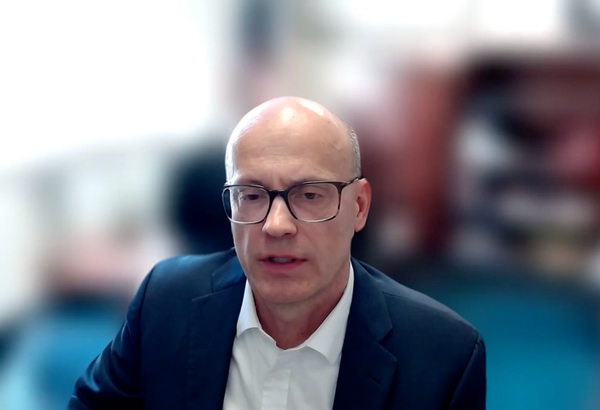
Hari Narayanan, a data scientist who maintains the BroadbandClusters internet adoption database, analyzed Census data from five states and found a similar pattern each time.

In Arizona, zip codes where the population was 10 percent or more Native American had an average broadband adoption rate of about 56 percent, compared with 77 percent in the rest of the state.
Narayanan found a similar pattern in New Mexico, New York, South Dakota, Montana, and Alaska.
“Statewide averages are blunt instruments,” he wrote. “They aggregate urban centres with rural and underserved communities into a single number. When the data is filtered to ZIP codes where indigenous residents make up at least 10% of the population, a different picture emerges.”
In New Mexico and Alaska the gap was similar, with each posting a 50 percent average broadband adoption rate in high-indigenous zip codes and nearly 70 percent elsewhere. The lowest disparity was in South Dakota, where the gap was just 4 percent.
Like in a previous analysis on broadband adoption among seniors, Narayanan used Census Bureau data on how many households report having a broadband subscription and their ethnicity.
He said in an interview that he published the Arizona research first, and began receiving requests to conduct the same analysis in other states. According to his website, analyses of North Dakota, Oklahoma, and Minnesota are coming soon.
Despite being in high demand, Narayanan said he does his broadband adoption research in his spare time.
“Right now, I’m running through work on evenings and weekends,” he said.
Working paper
In a separate working research paper, Narayanan tried to find which Census Bureau data points appeared to affect broadband adoption.
He found two: how isolated and rural an area is, and access to computers and tablets. Those factors together explain 53 percent of the variance in broadband adoption rates, according to the paper.
The first metric correlates strongly with population size but also includes factors like educational attainment and device access. Narayanan found population size alone didn’t correlate well with adoption, which he wrote indicated his machine learning model had picked up on a “bundle of compounding disadvantages” that could lead to lower adoption.
“The fact that population size is the strongest correlate but has no direct relationship with adoption suggests that infrastructure availability (not captured in our features) may be the mediating factor,” Narayanan wrote.
The second metric, device access alone, appeared more straightforward.
“Households without computing devices don't subscribe to broadband,” he wrote. “The strong univariate relationships suggest that device access programs could have an immediate impact on adoption.”
Relevant programs
Roughly $20 billion from the Broadband Equity, Access, and Deployment program is set to be used on broadband expansion in the coming years. The same law that spawned BEAD provided $2.75 billion for broadband adoption and device subsidies, but the program has been canceled under the Trump administration.
The National Digital Inclusion Alliance, with whom Narayanan shared some of his findings, is suing to reinstate the programs.
Oregon provides extra discounts to participants in a federal low-income broadband program, according to the Pew Charitable Trusts, plus a $100 discount on computers. New Mexico recently instituted a state-level discount.
How states can use BEAD’s remaining “non-deployment” funds is up in the air. Some had been planning on broadband adoption measures before the Trump administration altered the program’s rules. In doing so it rescinded approval for non-deployment activities pending future guidance.
That guidance isn’t out yet, but National Telecommunications and Information Administration Administrator Arielle Roth, who is in charge of the BEAD program, has spoken positively about using some of the money to boost local permitting capacity.