Satellite Permitting Bill Gains Support
The U.S. Chamber of Commerce joins a growing group of supporters, an attempt to pass similar legislation failed in the House in 2023.

WASHINGTON, Jan. 22, 2026 – The U.S. Chamber of Commerce came out in support of the Satellite and Telecommunications Streamlining Act on Wednesday, as the bill continues to garner business and institutional support.
In a statement issued Tuesday, the chamber noted that the rapidly growing industry needs to be supported by a streamlined permitting process in order for the US to support continued investment and increased deployment.
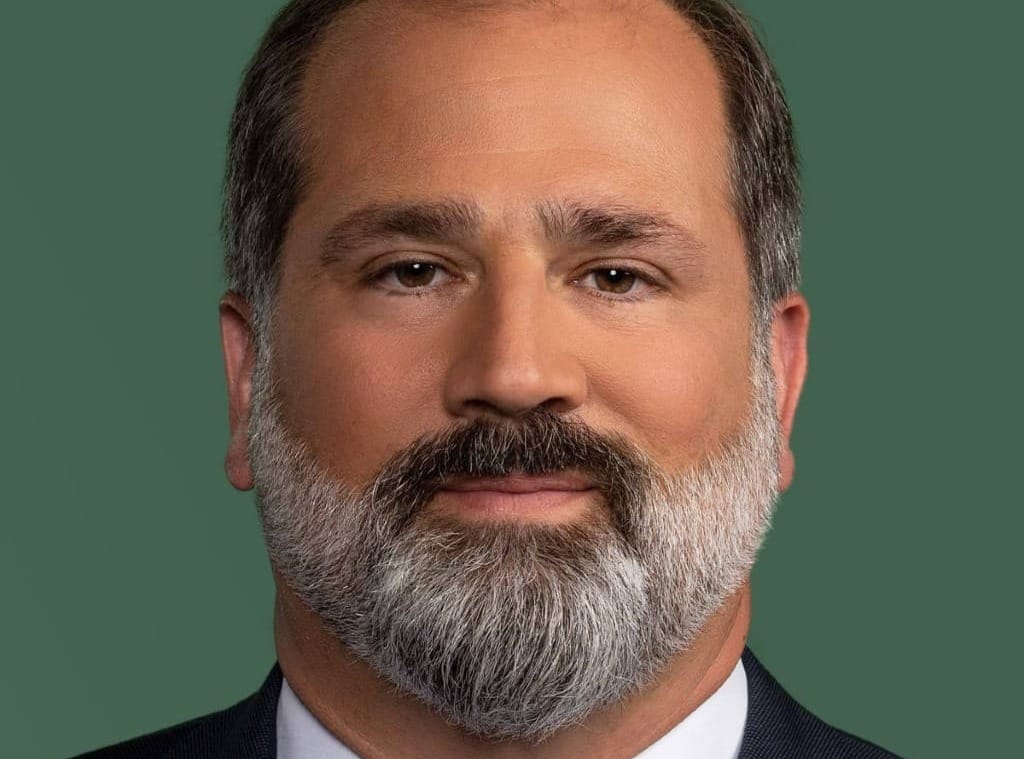
“Modernizing the FCC’s satellite licensing regime is essential to fostering innovation, attracting investment, and maintaining the United States’ competitive edge in the rapidly evolving satellite and telecommunications sectors,” said Christopher Roberti, senior vice president of cyber, space, and national security policy for the chamber.
The bill, which was introduced on Jan. 14, by Sens. Ted Cruz, R-Texas, and Peter Welch, D-Vt., would require the FCC to decide on satellite licenses within one year and cap foreign system operation at 15 years in line with domestic limits, in an effort to incentivize commercial satellite providers to base operations in the U.S., according to the release.
The bill has also received endorsements from The Progressive Policy Institute, The Computer & Communication Industry Association and The Software Information Industry Association, among others.
An attempt to pass a similar piece of legislation in the House of Representatives failed in 2023 despite receiving bipartisan support. That measure drew opposition over language granting the FCC jurisdiction over the design and operation of any space object that carried an FCC-licensed system, which the Cruz/Welch bill does not include.
The aviation industry backed the FAA’s proposed rules.
Christine Harada also joins as newest commissioner, while current CPUC President Alice Reynolds steps down.
The agency acted based on concerns the China-based labs had ties to the Chinese government.
City says affordability remains primary barrier to internet adoption
Member discussion