Securus, Pay Tel Looking to Drop Legal Challenge to Prison Phone Rates

The FCC issued a new order last year raising its price caps.

Securus, Pay Tel Looking to Drop Legal Challenge to Prison Phone Rates
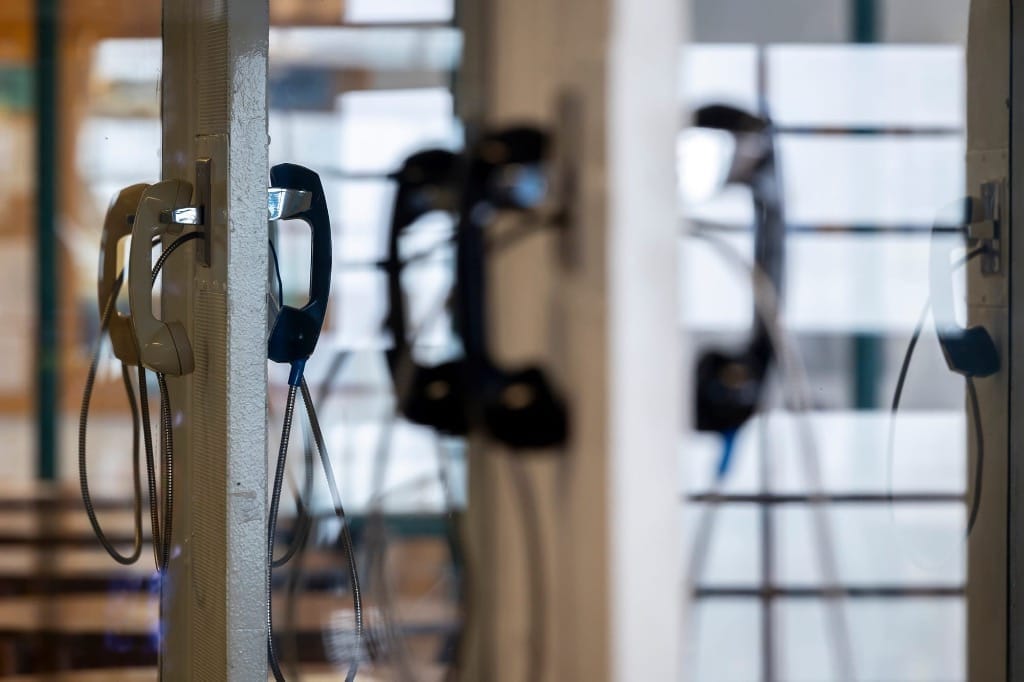
Photo of visitation phone lines at the Allan B. Polunsky Unit prison in Livingston, Texas, Wednesday, Oct. 1, 2025 by Annie Mulligan/AP

WASHINGTON, Feb. 25, 2026 – Satisfied with new higher rates, prison telecom providers are looking to drop their challenge to a now-rescinded Federal Communications Commission rule on how much incarcerated people can be charged for phone service.

Securus and Pay Tel had sued over a 2024 FCC order implementing the Martha Wright-Reed Act, a 2023 law directing the FCC to regulate prison phone rates. They said the rates the FCC set in that order were too low for some companies and facilities to recover their costs.

Under new leadership in 2025, the agency adopted another order with caps nearly twice as high in some cases. It’s set to take effect in April.

“The issuance of the [2025 order] and the passage of time have mooted nearly all the issues raised in those petitions for review, and Securus and Pay Tel no longer seek judicial review of the two issues that are not moot,” the companies wrote in a Tuesday filing with the U.S. Court of Appeals for the First Circuit.

When it issued the 2025 order, the FCC sought comment on one issue the order didn’t address, related to whether prison phone providers could charge separate fees other than for call minutes. The companies said they made their position – in support of allowing those extra fees – known to the agency and could simply pursue a new legal challenge depending on how the agency rules.

The companies said the other non-moot issue, about preempting state-level rate caps, could be addressed on a case-by-case basis.

The 2025 order is itself being challenged in court by a collection of advocacy groups. They argued the agency arbitrarily changed course.

FCC Chairman Brendan Carr said when the new caps were adopted in October that the previous caps had “resulted in serious unintended consequences” and that “some prisons were forced to scale back or even stop offering service altogether.”

FCC Commissioner Anna Gomez, the lone Democratic commissioner, said those were isolated incidents and called the decision “an egregious transfer of wealth from families in incredibly vulnerable situations to greedy monopoly companies that seek to squeeze every penny out of them.”

One prison telecom company, ViaPath, is looking to intervene in the advocates' case in support of the 2025 order.

Member discussion

Popular Tags