Senate Lawmakers Appear Opposed to Full Section 230 Repeal
Witnesses and lawmakers supported a more targeted reform approach to online platform regulation.

Eric Urbach
WASHINGTON, March 20, 2026 — A more targeted approach or full repeal? This is the question currently on the minds of lawmakers as they determine how to tackle the 30-year-old law that “built the internet."
At a Senate Commerce, Science and Technology hearing on Wednesday, Senators appeared skeptical of a full repeal of Section 230, a provision of the 1996 Telecommunications Act that provided a liability shield to technology companies for content posted by third-party users on their platforms.
Lawmakers have long debated whether this law still makes sense given the rapid rise in power of Big Tech and social media’s apparent harms, while at the same time upholding free speech concerns.

“The same reasons why Congress enacted Section 230—to prevent liability for another person’s speech—are still relevant, and I’m concerned that a full repeal or sunset would lead platforms to engage in more censorship to protect themselves from litigation,” said Sen. Ted Cruz, R-Texas.
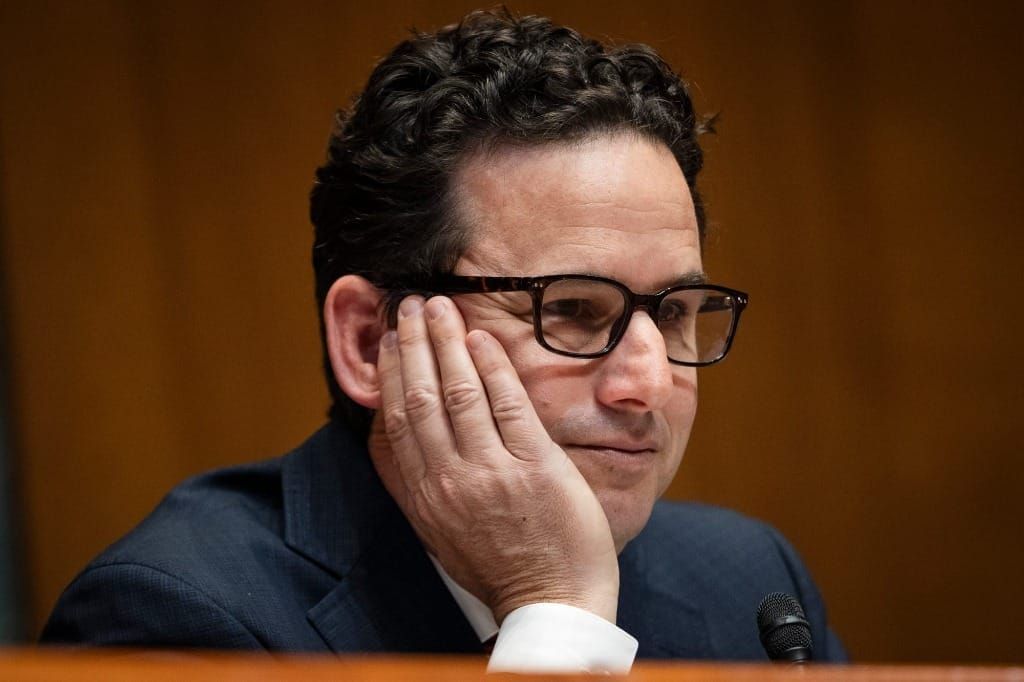
Sen. Brian Schatz, D-Hawaii, acknowledged that Congress needs to respond to the changing circumstances of the internet’s environment and that opposition to reforms of Section 230 were "preposterous."
“For so long tech companies have used Section 230 as an excuse for companies to avoid taking meaningful action to protect users, especially kids, from egregious harms, harassment and abuse, fraud and scams,” Shatz said. “It's not that they don’t know it's happening…it's that to do something would harm their bottom line.”
However, Schatz appeared to prefer careful reforms instead of an all out repeal.
Witnesses weigh in
Witnesses agreed that social media companies create products that are harmful but argued that a full repeal of the law would be worse than what we have today.
Nadine Farid Johnson, policy director at the Knight First Amendment Institute, noted that if Section 230 went away, platforms would be incentivized to take down speech that is socially valuable.
“If Congress is going to amend Section 230, what it should do is make Section 230’s protection conditional on platforms’ compliance with transparency, privacy, and interoperability requirements,” Johnson said.
Lawmakers expressed concerns that AI could exasperate the issues that social media currently poses. However, Brad Carson, president of Americans for Responsible Innovation, noted that because AI products generate outputs, they differ from platforms that simply host posts made by users.
Because of this, Carson argued that they wouldn't be bound by the same 230 protections and could face litigation for the content they generate.
All witnesses said they favored solutions like Sens. Cruz and Schatz’s bill “Kids of Social Media Act” or the “Take It Down Act”, introduced by Sens. Cruz and Amy Klobuchar, D-Minn., which was signed into law last May.
Witnesses agreed that these were more targeted reforms that would regulate harmful content, while still upholding First Amendment protections of both platforms and users.
Last December, Sens. Richard Durban D-Ill., and Lindsey Graham R-S.C., introduced the “Sunset Section 230 Act” , a bipartisan bill that would fully repeal Section 230. The bill is also co-sponsored by 10 members of the Senate Judiciary Committee.

Member discussion