States Push to Redirect BEAD Excess Funds Toward Public Safety Gaps
Panelists also discussed their largest broadband deployment obstacles.

Kelcie Lee
WASHINGTON, March 18, 2026 – Some state broadband officials want the Broadband Equity, Access, and Deployment (BEAD) program’s $21 million excess funds to go to public safety, emergency management, closing the digital divide and building resilient networks.
One of the biggest challenges facing Virginia and Delaware has been dead zones that prevent public safety and emergency communications. Virginia Office of Broadband Associate Director Chandler Vaughan said there are 40,000 homes and 10,000 miles of roads that don’t have any connectivity, which has been a large concern when it comes to accessing emergency services.
“We’re building these broadband networks through a wide variety of technologies, but what good are they when you walk out your front door and you can’t make a phone call to 911? There’s a public safety aspect we’ve got a real opportunity to address here with BEAD nondeployment dollars,” Vaughan said.
Delaware Broadband Office Executive Director Connor Perry and Maine Connectivity Authority Chief Program Officer Kendra Jo Grindle both said many parts of rural Delaware and Maine also don’t have access to emergency services. Perry said nondeployment dollars can go to mobile drive tests to help map coverage and the implementation of mobile and fixed wireless can help to address these gaps.
Massachusetts Broadband Institute Director Michael Baldino added that achieving universal service has consistently been a challenge, but hopes that the nondeployment funds can be a solution.
“Hopefully it shouldn’t be a one and done, but give states the time and flexibility to really do this in a thoughtful, comprehensive manner so that no one is left behind,” Baldino said.
As for Vermont Community Broadband Board Executive Director Christine Hallquist, she said building resilient networks is a key priority for nondeployment funds, especially when it comes to the state’s violent storms. She also said she hopes the funds could contribute to the state’s pre-apprenticeship program and economic development.
BEAD Deployment Challenges
While Perry said Delaware doesn’t face many permitting obstacles, he said the office is ensuring there is ample capacity and communication with partners who are “ready to hit the ground running.” A key reinforcement of permitting has been Delaware Gov. Matt Meyer’s Executive Order that streamlined permitting requirements for broadband and other utilities.
“We’re helping make sure that we’ve got good, accountable and responsive oversight of that permitting process,” Perry said. “So as we hit bottlenecks, we’ve got people in place. We've got our permitting roundtables required by BEAD, ready to talk about issues as they arise and figure out practical solutions.”
Vaughan said “exorbitant make ready” work, which is the essential preconstruction for BEAD, has been the trickiest challenge in navigating deployment. The Virginia broadband office has turned to alternatives like building underground networks, instead of aerial networks because of make ready costs.
However, Vaughan said additional complexities like going through the NTIA environmental process again can add another three to six months of build time, slowing down the construction process.
“There’s a lot of considerations here to make around the permitting aspect,” Vaughan said. “It’s not just establishing some fancy dashboard to navigate all these things, it’s really making sure that we can target subsidy to delivering these networks, the most wise way for taxpayers and that might be underground in some instances.”
Vaughan noted that the $21 billion in nondeployment funds could supplement the “make ready” costs.
Vaughan said another challenge has been managing expectations and clearly communicating with residents when it comes to broadband access. When the Virginia broadband office announced ARPA funding, residents thought broadband would be immediately accessible, making communication “extremely critical” for the program’s success.
“We’ve got to be honest with them,” Vaughan said. “These are humongous transformational infrastructure projects that don’t get built in days or months. One of the things we’re focused on a lot through dashboards, through storytelling in Virginia is, how do we accurately manage expectations, tell the success story of this build out, and be honest and upfront with folks.”
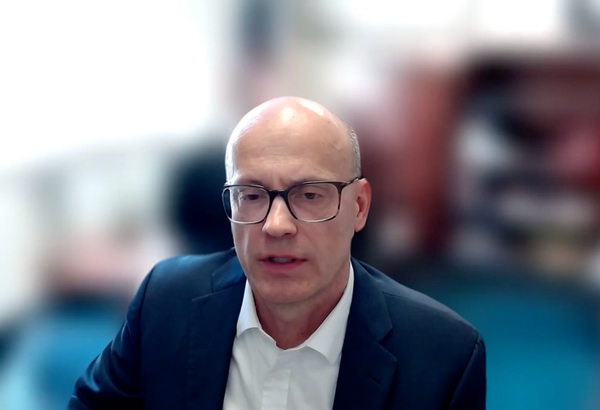
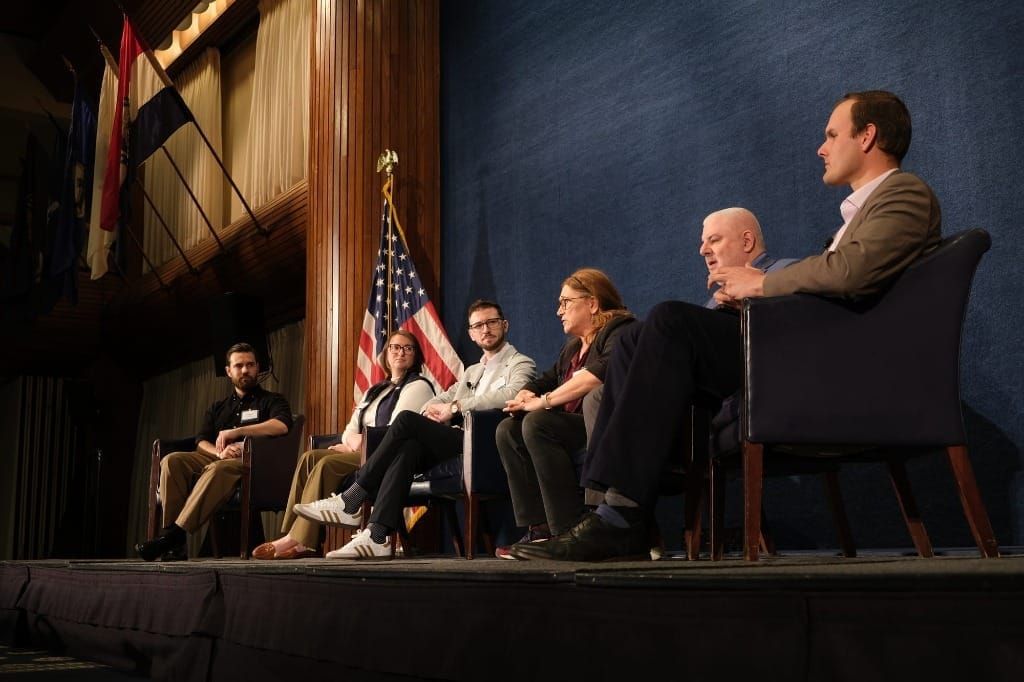
The five panelists shared their insights with Moderator and Broadband Breakfast Reporter Jake Neenan at the 2026 BEAD Implementation Summit on Wednesday.