NTCA
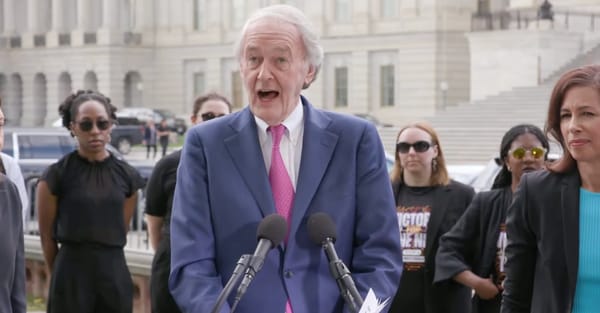
Democratic Lawmakers Show Support for FCC Title II Proposal
The agency is set to vote on the measure next week.

The Rural Broadband Association, formerly the National Telecommunications Cooperative Association, is a membership association that represents independent, community-based telecommunications companies. Its goal is to expand broadband deployment and ensure a better-connected future for rural America.

NTCA
The agency is set to vote on the measure next week.
Rural
Some advocate for directing unused RDOF funds to state broadband offices instead.

OTI
Thursday's draft net neutrality order excuses broadband internet service providers from contributions.
Rural
Commenters noted that the fabric is iterative, and changes to the data could cause confusion.
NTCA
ACA Connects, the Rural Broadband Association NTCA, and WISPA issued a joint statement against them.

NTCA
Seven trade groups urged lawmakers to pass the Broadband Grant Tax Treatment Act.

NTCA
A coalition of telecom associations are urging Congress to appropriate money to fund the Rip and Replace program.
NTCA
Trade groups argue their members are too small to engage in anti-competitive behavior.

BEAD 2026
It’s not just about building networks, but providing affordability through programs like the ACP.
NTCA
The FCC’s challenge process is insufficient to allocate Enhanced ACAM funds, the Rural Broadband Association said.

Sixth Circuit
Sixth Circuit adopted reasons from another appeal court.

5G Wireless
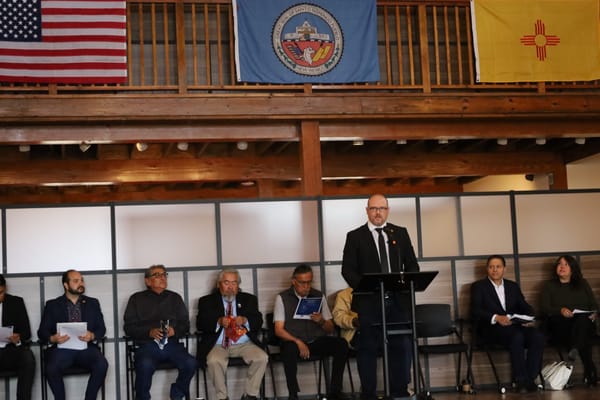
NTCA is concerned federal broadband funding in tribal areas may not be enough for long-term support.
Joe Biden
‘How do we make sure that you can keep that home grown talent?’
Infrastructure
Opponents say increasing coverage and speed obligations of the ACAM program may be unnecessary with new federal broadband money.
NTCA
Fiber networks have a unique capacity to keep broadband prices low for low-income communities, proponents say.
NTCA
Rural communities vary in broadband needs, making community engagement essential for breaching the digital divide.