SpaceX
ITIF Plan Would Cap BEAD Grants at $1,200 Per Location
Savings would go to fund Internet affordability programs

Established in 2004, WISPA – Broadband Without Boundaries, formerly known as the Wireless Internet Service Providers Association, is a trade association representing companies that deliver fixed wireless, fiber, and other reliable broadband solutions— especially to rural and unserved areas across the country.

SpaceX
Savings would go to fund Internet affordability programs
SpaceX
NTIA said it has significantly reduced barriers to participation by LEO satellite providers.

FCC
Both orders were adopted unanimously.

Public Safety
Critics said devices could disrupt Wi-Fi and fixed wireless services in the heavily trafficked Wi-Fi band.
Funding
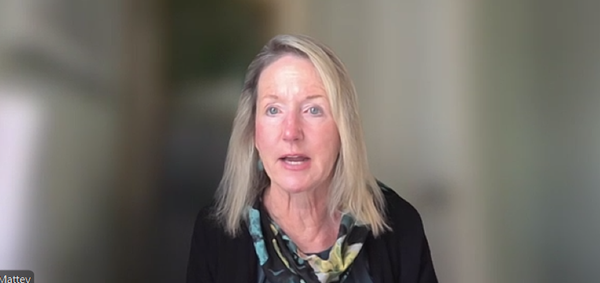
Halfway through its decade-long timeline, the $20 billion rural broadband subsidy program grapples with unresolved issues.

Broadband Mapping and Data
The proceeding is unlikely to move forward under a Republican FCC.
Broadband Mapping and Data
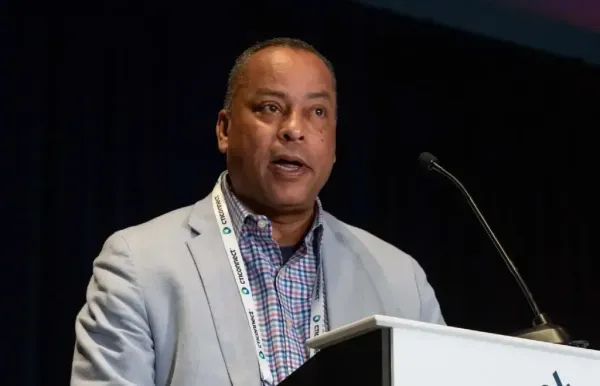
Industry groups are urging FCC to reject long-term symmetrical speed goals.

OTI
The FCC asked for input on updates to the Citizens Broadband Radio Service spectrum in August.
Telehealth
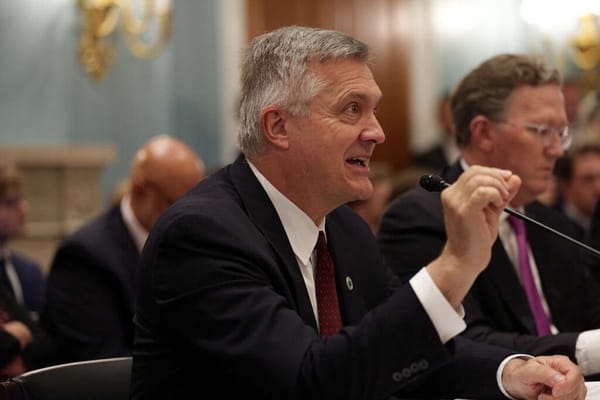
NRECA, WISPA, and others reveal priorities for Trump’s second term.
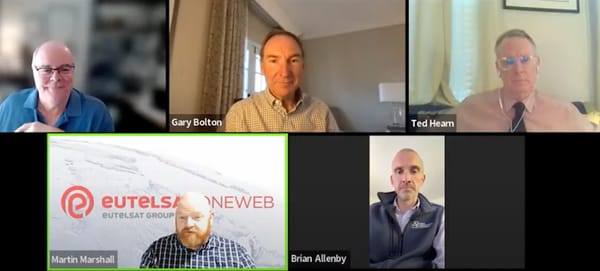
SpaceX
These locations will remain eligible for fiber deployment under BEAD.
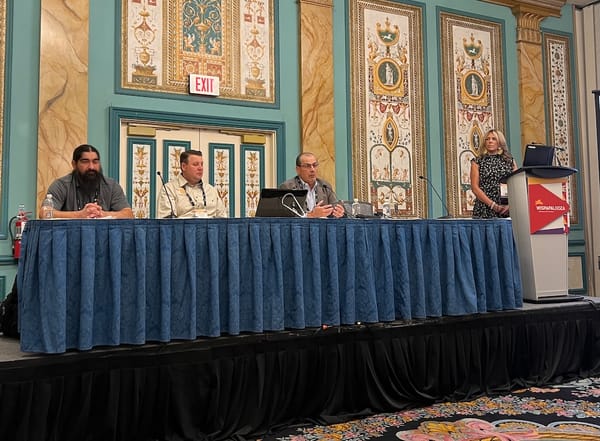
Tribal
Providers should hold the sales pitch and listen to the needs of a given tribe, they said.

Rural
Relationships with staffers can be helpful when engaging government officials, experts said.
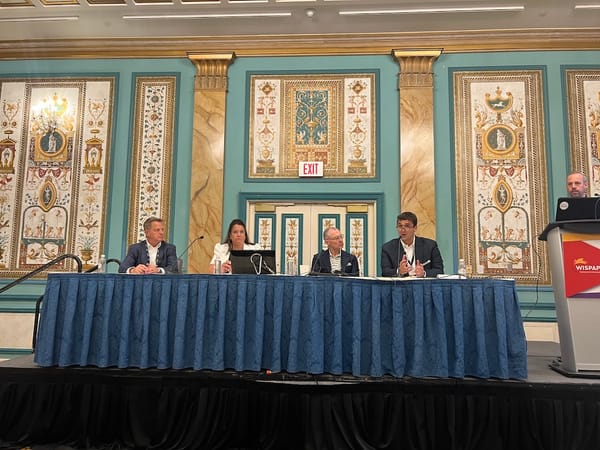
BEAD
"An application with a waiver in there is something I can look at," said state broadband officer.

BEAD
The group is working on model legislation for states, its state advocacy manager said.

BEAD
The agency has been working to prevent permit backlogs ahead of BEAD.
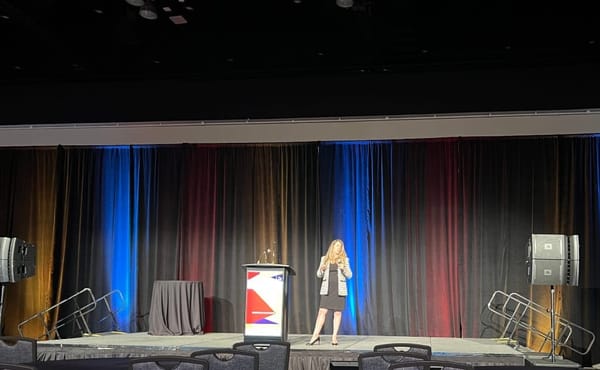
WISPAPALOOZA
The round is expected to make around $400 million available.