
Telecom Regulators Embrace AI to Modernize Governance and Network Management
FCC and NTIA officials detail efforts to integrate AI across agency operations.

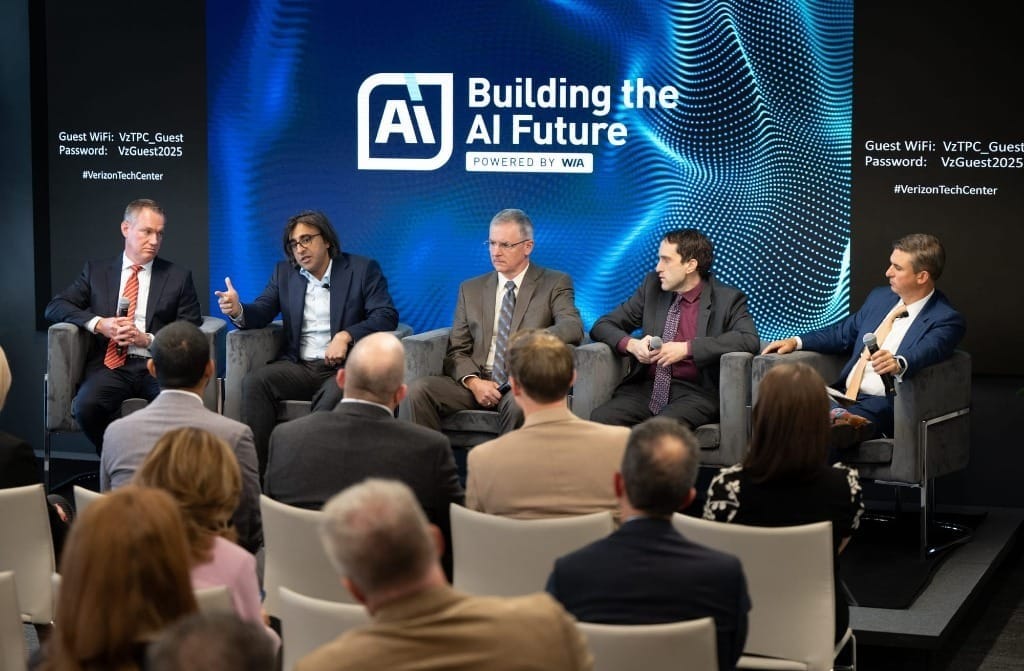
WASHINGTON, Oct. 23, 2025 – Senior officials from the government’s top telecom regulators said Wednesday that artificial intelligence was becoming central to both agencies’ operations.
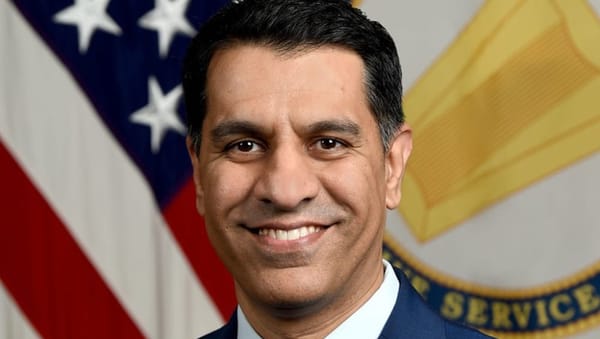
The Federal Communications Commission’s chief AI officer Arpan Sura said the agency’s goal was to use AI "to be faster [and more accurate] in decision making,” while also “making the lives of staff easier.”
Adam Cassady, deputy associate administrator at the National Telecommunications and Information Administration, described how AI was reshaping communications infrastructure itself, arguing it would fundamentally alter spectrum and network management.
Speaking at a Wireless Infrastructure Association event, Sura noted the position he assumed in May was part of a government-wide initiative to advance AI adoption across federal agencies.
“For the first time, every federal agency had to designate a chief AI officer,” Sura said. “Their formal responsibility is to drive innovation, adoption and governance of AI within federal agencies.”
He said the federal government had established an AI Council to share code, compliance tools, and best practices across agencies.
“We’re not going it alone,” Sura said. “There’s a support system to make sure agencies are doing this the right way.”
Sura emphasized that the FCC’s approach would “focus on manageable, easy problems that have high leverage,” aiming to augment workers rather than replace them.
He also noted that the FCC was examining its authority under Sections 253 and 332 of the Communications Act to preempt state and local laws that could hinder the deployment of infrastructure supporting AI technologies.
He said that the FCC recently issued two proposals which sought public comment on how its authorities might extend to AI.
Near-term future with AI-powered Radio Access Networks
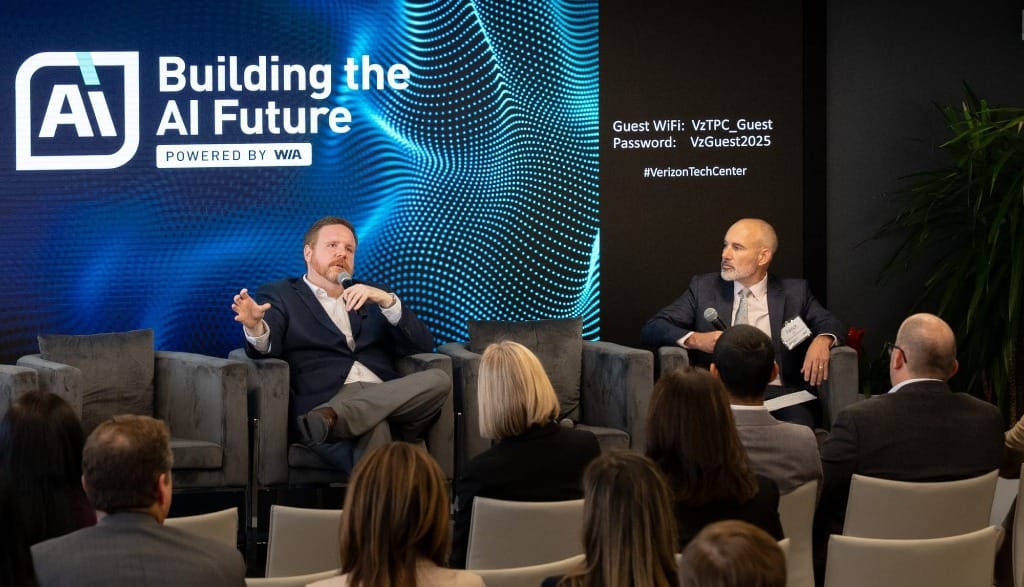
NTIA’s Cassady, meanwhile, described a near-term future in which AI-powered radio access networks autonomously orchestrate spectrum usage and mitigate interference.
“AI in the RAN for 6G…[as well as] managing the spectral environment… is going to be significant,” he said. “And, we're going to need AI to solve a few of those problems at NTIA, frankly.”
Cassady predicted that AI would be “baked into” 6G standards themselves. He also underscored the growing importance of edge AI, where devices and local nodes process data directly rather than sending it to distant data centers, cutting latency.
He pointed to examples already emerging in the market: driverless cars, real-time translation devices, and assistive AI glasses that can guide visually impaired users through city streets. Such applications, he said, will “stream nonstop uplink data and massively increase network demand.”
For AI to become truly ubiquitous, Cassady added, the nation will need ubiquitous infrastructure – data centers, wireless, wireline, low Earth orbit satellites, and licensed and unlicensed spectrum.
Cassady added that NTIA was exploring how AI could improve federal spectrum coordination and make sharing between government and commercial users more dynamic.





Member discussion