
The Case for Open Access Hyperscale Data Center Networks
The infrastructure powering hyperscale data centers risks bypassing the very communities that host it.

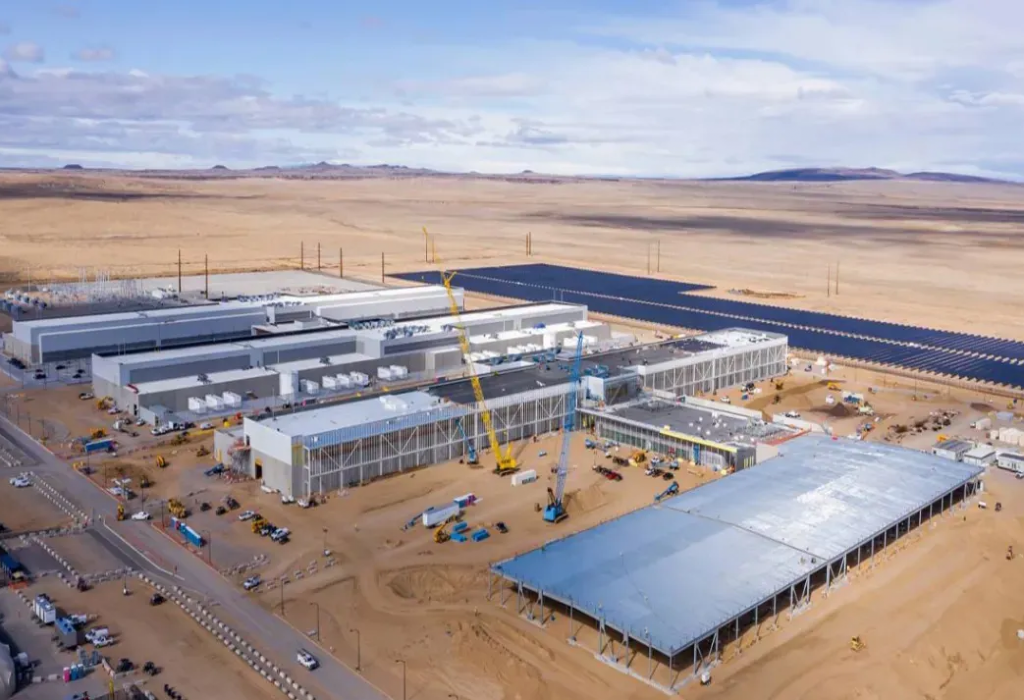
April 7, 2026 – A surge in data center development is reshaping rural America. Yet, many of these facilities operate as closed systems that do little to improve connectivity for the rural communities that host them.
Hyperscale data centers are typically single-tenant environments optimized for internal workloads but disconnected from local networks. Economic benefits are often limited to construction and tax incentives. As a result, existing infrastructure is not used to support regional connectivity.
To benefit both operators and local communities developers should integrate open-access colocation into rural data center campuses, Michael Still, a consulting solutions architect at Myriad360, argues in a recent op-ed for the Open Internet Exchange.

The shift toward open-access models could transform rural data centers into shared digital infrastructure platforms, or “digital hubs,” capable of supporting broader regional development, writes Still.
These campuses include fiber pathways and network infrastructure capable of broader interconnection, Still argues, but that capacity remains largely inaccessible outside core operations.
Developers could add carrier-neutral colocation space within or adjacent to these campuses, operated by third-party interconnection providers rather than hyperscale tenants. Also, campuses could host local internet exchange points, allowing traffic to remain in the region rather than routing through distant hubs. That would reduce latency, improve resilience, and lower costs.
Data centers could evolve from isolated sites into digital hubs supporting cloud services, regional networks, and local innovation, Still said. By enabling open access, multiple providers can connect on equal terms, lowering barriers to entry and enabling competition.
The partnership model between hyperscalers and neutral operators complements U.S. broadband and infrastructure programs, such as the Broadband Equity, Access and Deployment program, the federal Middle Mile program, and state-level digital equity frameworks, he finds.






Member discussion