Todd Schlekeway: Broadband's Biggest Obstacle Is the Permit Counter
A Minnesota block lost its fiber over a $90,000 permit bill. The FCC can fix that.


A Minnesota city recently told a broadband provider what it would cost to run fiber down a single city block: a $63,000 permit fee, plus nearly $29,000 in per-foot charges. More than $90,000, for one block. The provider offered a compromise on how the fiber would be buried. The city refused. So the provider walked away, and that block stayed offline.
That case is documented in the FCC's public record, and it's one of the starker ones. But the pattern behind it is common. A fiber route or tower upgrade can clear design, secure financing, and line up a crew, then stall at a local permit counter over fees and timelines that bear little relation to the actual work.

The application often isn't denied. It just goes unreviewed for months while equipment and capital sit idle. Every week of delay adds cost, and at some point the math stops working. Providers scale projects back or abandon them, and the households and businesses at the end of the line keep waiting.
On June 25, the FCC will vote on whether to change that. Chairman Brendan Carr has placed a Notice of Proposed Rulemaking on the Commission's agenda that would set a 120-day deadline for state and local agencies to act on wireline infrastructure applications. An agency that misses the deadline would be presumed to be prohibiting telecommunications service, a violation of Section 253 of the Communications Act. The proposal would also seek comment on limiting permit fees to a government's actual costs and on barring extra conditions tacked onto projects for reasons unrelated to managing the public rights-of-way.
The Commission is right to prioritize this on the agenda. Communications infrastructure engineers, especially the small businesses, build and service the physical networks communities depend on. They see the problem from the ground: permit backlogs and unpredictable review requirements that stretch timelines and inflate budgets without improving safety or serving any clear public interest.
Why does a 120-day shot clock matter so much to providers? Because uncertainty is its own tax. A contractor who can count on a decision inside four months can schedule crews, hold equipment pricing, and commit capital with confidence. A contractor facing an open-ended review has to pad every bid for delay, idle workers between phases, and absorb costs that have nothing to do with the work itself. Multiply that across thousands of sites and the drag on deployment is real. Federal broadband dollars feel it too: when a local process stalls a federally supported build, public money sits unspent and the program's reach shrinks.
The proposal doesn't strip local governments of their authority. Agencies still review applications, still manage their rights-of-way, still charge fees. The rule asks them to do it on a defined schedule and to tie fees to real costs. That's accountability where, for many applicants, there is currently none.
This isn't a one-off. Permitting reform has been a consistent focus of our industry. In May Senators John Thune, Ben Ray Luján, and John Barrasso introduced the Accelerating Broadband Permits Act of 2026, which would set statutory timelines for federal permitting agencies and improve transparency in the deployment process. The FCC's action and the Senate bill point the same direction: clear deadlines, predictable rules, and a bias toward getting shovels in the ground.
The Notice is a starting point, not a finished rule. The 120-day window, the fee limits, and the safe-harbor levels all have to be calibrated so they work for builders and for the local officials who administer them.
The country has set ambitious goals for connecting every community, and every one of those goals runs through a permit counter in some city or county. The block in Minnesota that lost its fiber over a $90,000 bill is the system working the way it currently does. A network that's funded, designed, and ready to build shouldn't die on a desk. On June 25, the FCC can start putting a clock on the wait. It deserves a yes.
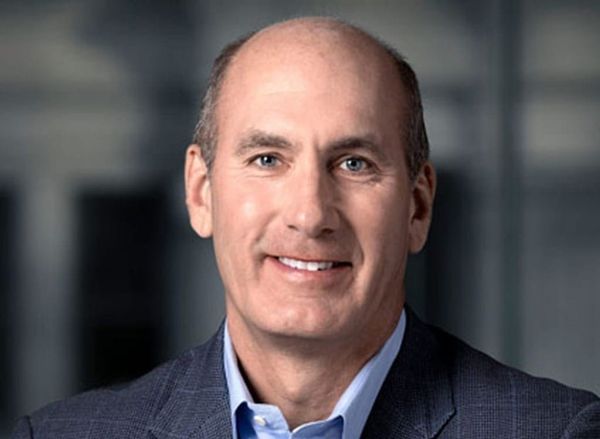
Todd Schlekeway is the President and CEO of NATE: The Communications Infrastructure Contractors Association, a trade organization representing the companies that build and maintain the nation's wireless and broadband infrastructure. He has led the association since 2012. Previously, he served two terms in the South Dakota Legislature, representing a Sioux Falls district in both the State House and State Senate. This Expert Opinion is exclusive to Broadband Breakfast.
Broadband Breakfast accepts commentary from informed observers of the broadband scene. Please send pieces to commentary@breakfast.media. The views expressed in Expert Opinion pieces do not necessarily reflect the views of Broadband Breakfast and Breakfast Media LLC.