
Tower Companies Continue Push for Conditions on EchoStar Spectrum Deals
Executives urged FCC Chairman Brendan Carr to ensure Dish’s obligations would be paid.

Jake Neenan
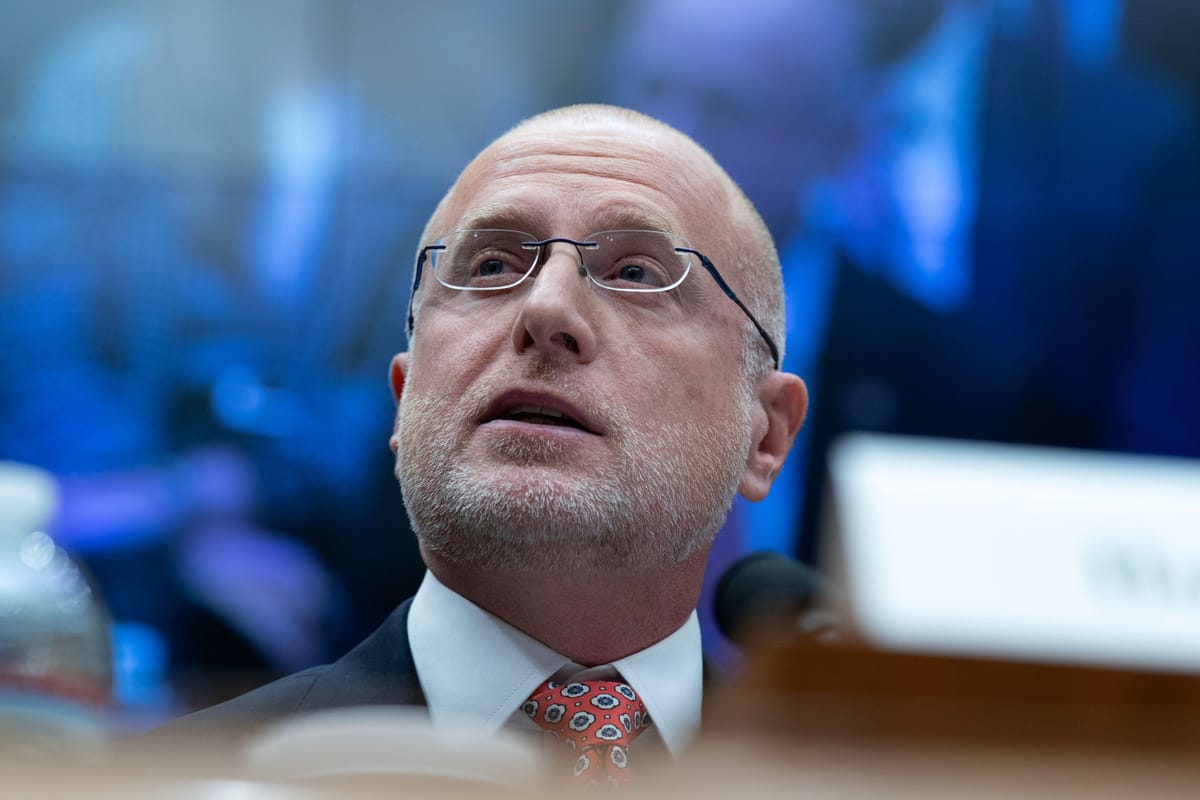
WASHINGTON, Jan. 23, 2026 – Ten tower company executives met Tuesday with the head of the Federal Communications Commission to urge the agency to tack conditions onto EchoStar's multibillion-dollar spectrum sales.
The companies have been looking for the agency to require that EchoStar pays the bills of its subsidiary, Dish Wireless, once the deals are consummated.
Dish has been telling tower companies and others that it can exit contracts because the FCC effectively forced its parent company’s sales, amounting to an unforeseeable “force majeure” event leaving Dish unable to pay its dues.
“EchoStar/DISH have asserted positions that are clearly designed to render DISH Wireless judgment-proof at closing, allowing EchoStar to benefit from sale proceeds while its partners remain unpaid,” the WIA said in an ex parte following their meeting with FCC Chairman Brendan Carr.
“This strategy of bogus force majeure claims and corporate restructuring to avoid obligations would harm vendors across the entire wireless infrastructure supply chain and ultimately consumers who depend on those vendors to build and support networks that deliver broadband and other advanced communications services.”
Crown Castle said last week that Dish had defaulted on $3.5 billion it owed to the company. Cathy Piche, COO of the company’s tower division, was at the Tuesday meeting along with two members of WIA leadership.
EchoStar reached deals last year to sell many of its spectrum licenses for more than $40 billion. The company said those were efforts to satisfy Carr’s concerns that EchoStar wasn’t putting its spectrum to good use – the agency ended two probes into the company’s licenses once the deals were announced.
In addition to the sales being essentially unavoidable, and thus a valid reason to exit lease agreement early, Dish has also argued to tower companies that as a subsidiary it won’t receive any of the proceeds. EchoStar is standing up a new arm called EchoStar Capital to manage the money.
The two tower companies to have sued Dish over the issue, Crown Castle and American Tower, have countered that the FCC didn’t officially force EchoStar to do anything, and argued the company is trying to avoid paying its subsidiary's bills after a lucrative business decision.
WIA told Carr Tuesday that it wasn’t asking the FCC to weigh in on the merits of any individual contract disputes. The group said the agency should condition its approval of the spectrum sales on EchoStar setting aside enough of the proceeds to pay its obligations.
“This approach does not pick winners or prejudge any dispute; it simply ensures that funds are available if and when amounts owed by DISH/EchoStar are confirmed,” the group wrote.
EchoStar has argued against the FCC imposing any conditions related to its contracts and lease agreements, claiming the agency lacks the ability to do so as the company is selling rather than acquiring FCC licenses.
“EchoStar has been unable to locate an instance where the Commission imposed substantive conduct conditions on an assignor,” the company wrote in a December filing. “This is not surprising – doing so would improperly expose former licensees to continued Commission oversight, unbound from any statutory authority, solely by virtue of their former licenses.”
EchoStar did not immediately respond to a request for comment.


Member discussion