
Trump Energy Deputy: Nuclear Power Needed to Meet Demand for AI Infrastructure
The Energy Department has taken steps to start enriching uranium to fuel the AI race, said Assistant Secretary Timothy Walsh

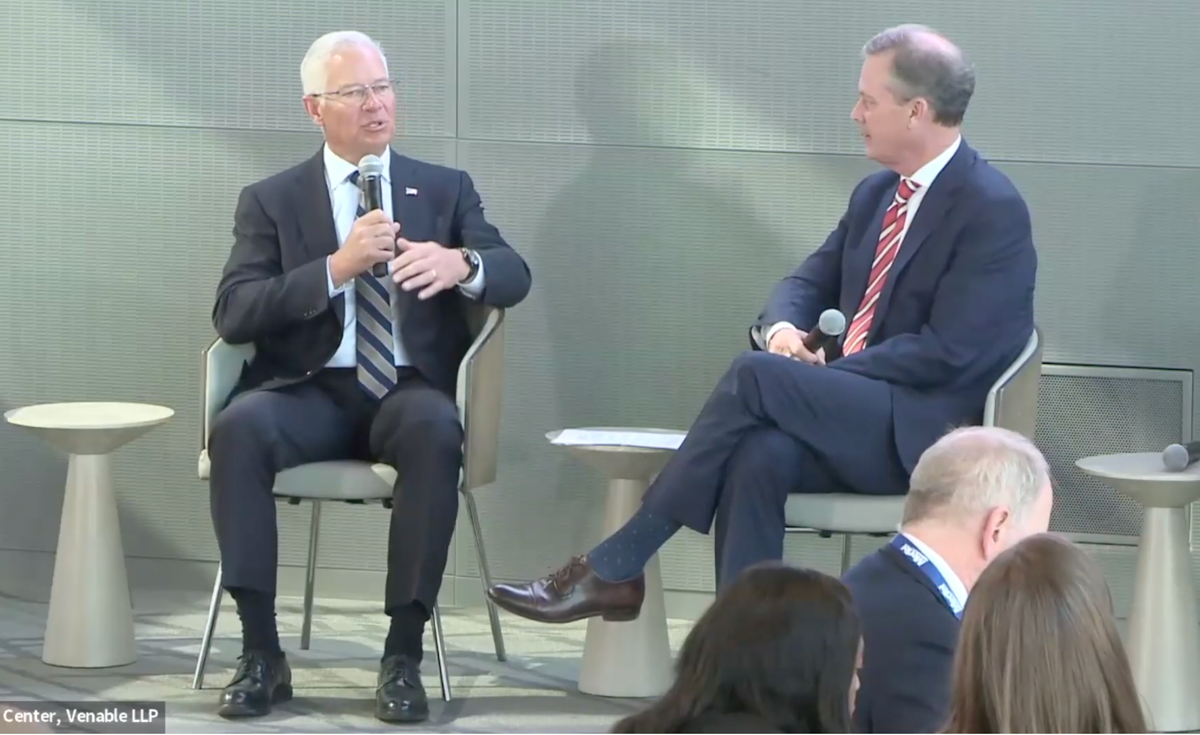
WASHINGTON, Feb 13, 2026 – After a long dormancy, nuclear power is back.
 Broadband Breakfast
That was the message of Assistant Secretary of Energy Timothy Walsh confirmed that the Department of Energy has contracted with General Matter and Orano to produce enriched uranium to power next generation nuclear facilities at specific DOE sites.
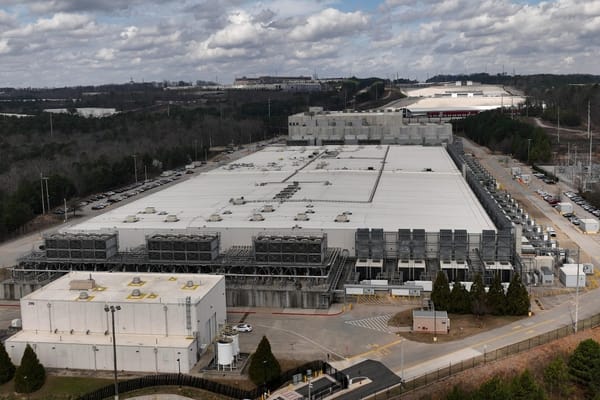
This is part of a comprehensive strategy to create “American energy-dominant parks” as the DOE works with companies like Meta to site data centers and power generation to power artificial intelligence infrastructure in the race against China.
“I can really see our DOE sites being the hub for this nuclear cycle,” Walsh said. “We can produce the full and standup reactors there to burn the fuel and then put the electrons on the grid.”
The project announced with General Matter in January 2026 will increase U.S. capacity of low-enriched uranium and begin the supply chain process for high-assay low-enriched uranium. This enrichment project is part of a $2.7 billion project with three companies including American Centrifuge Operating and Orano Federal Services to develop a nationalized enrichment supply chain, according to the announcement from the DOE.
The immediate strategy according to Walsh is to develop the power supply chains, then provide land operated by the DOE to hyperscalers to cite power generation and pay for the grid upgrades and infrastructure development in exchange for access.
When asked about pricing increases to ratepayers, Walsh noted that he believes these public private partnerships will lead to lower prices and that hyperscales are already on board with footing the bill for grid upgrades.
In the next month, the administration plans to announce that it's investing $30 billion on a 9.2 GigaWatts (GW) gas-powered generation project. That's part of a pathway to 50 GWs of power generation on DOE sites in the next three years. The next administration would have to complete the work, but the goal is to have everything teed up and ready for on-site nuclear generation as the next administration takes office.
Safety concerns
Walsh acknowledged that the public has been less receptive to the idea of nuclear power in the past, but that in totality nuclear power has been the safest form of energy generation in America, and that next generation nuclear power is even safer.
Small nuclear reactors, he noted, are not water cooled so you don’t have to worry about leaks and the current generation of nuclear plants have no risk of meltdown due to the types of materials being utilized.
He noted that Gen-Z has embraced the idea of nuclear energy and that developing nations have taken a key interest in next generation nuclear power.
“This is truly the Manhattan Project of our era,” Walsh concluded.



Member discussion