
U.S. Faces Pressure to Lead Global Telecom Rules Ahead of 2027 Spectrum Conference
Officials urged stronger coordination to counter China in global spectrum policy.

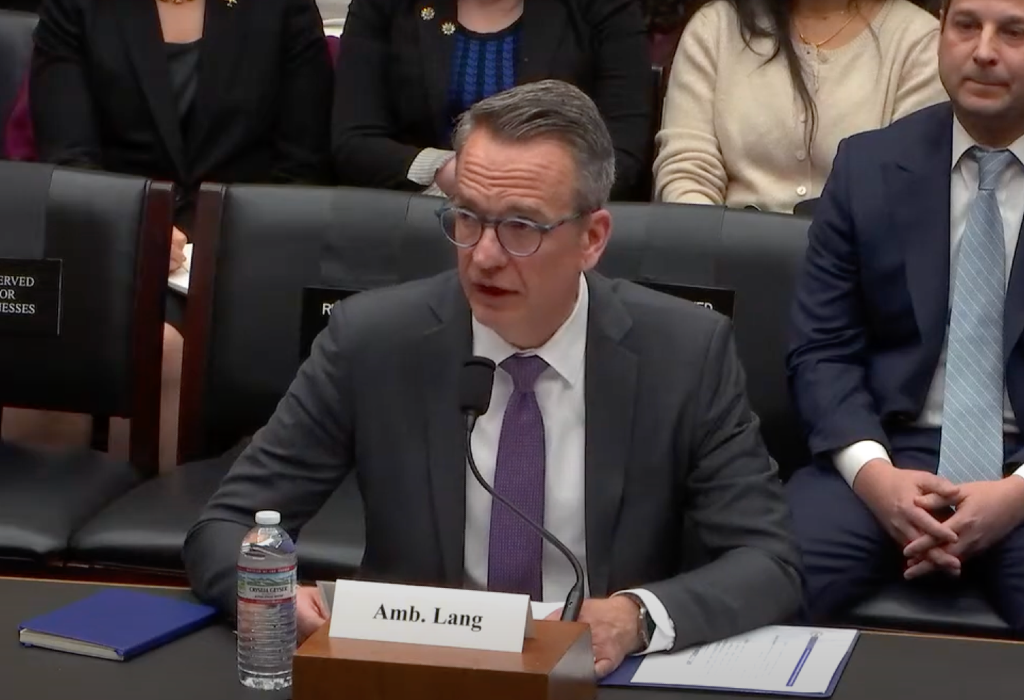
WASHINGTON, March 19, 2026 – Lawmakers warned that the United States must act quickly to strengthen its position ahead of the 2027 World Radiocommunication Conference, citing rising competition from China and the growing importance of global telecommunications standards.
At a House Energy and Commerce subcommittee hearing Wednesday, members emphasized that decisions made through international bodies like the International Telecommunication Union will shape wireless networks, satellite systems, and emerging technologies.
Rep. Doris Matsui (D-Calif.) said global coordination will be critical to maintaining U.S. leadership. “Those rules help determine whether open democratic countries like ours will continue to lead,” she said.

Witnesses described the conference as one of the most consequential global negotiations, particularly as demand for spectrum grows with 5G, 6G, and satellite-based services.
“Radio frequency spectrum is a finite resource,” said Ambassador Steve Lang, who led the U.S. delegation to the 2023 World Radiocommunication Conference, adding that global coordination helps ensure networks operate reliably and without interference.
Lawmakers and witnesses raised concerns about China’s expanding role in international standards-setting bodies, warning that failure to engage could allow competing regulatory frameworks to take hold.
“If the United States isn’t helping write those rules, someone else will,” Matsui said.
The 2027 conference, scheduled to take place in Shanghai, China, will be a key moment for global negotiations on spectrum allocation and telecommunications policy.
Witnesses said stronger coordination across federal agencies and deeper engagement with allies will be necessary to ensure U.S. priorities are reflected in those discussions.

Member discussion