Updated Census of Tribal Internet Networks Shows Movement in Bridging the Digital Divide Across Indian Country
Institute for Local Self-Reliance Releases Comprehensive 2026 Census of Tribal Broadband Networks

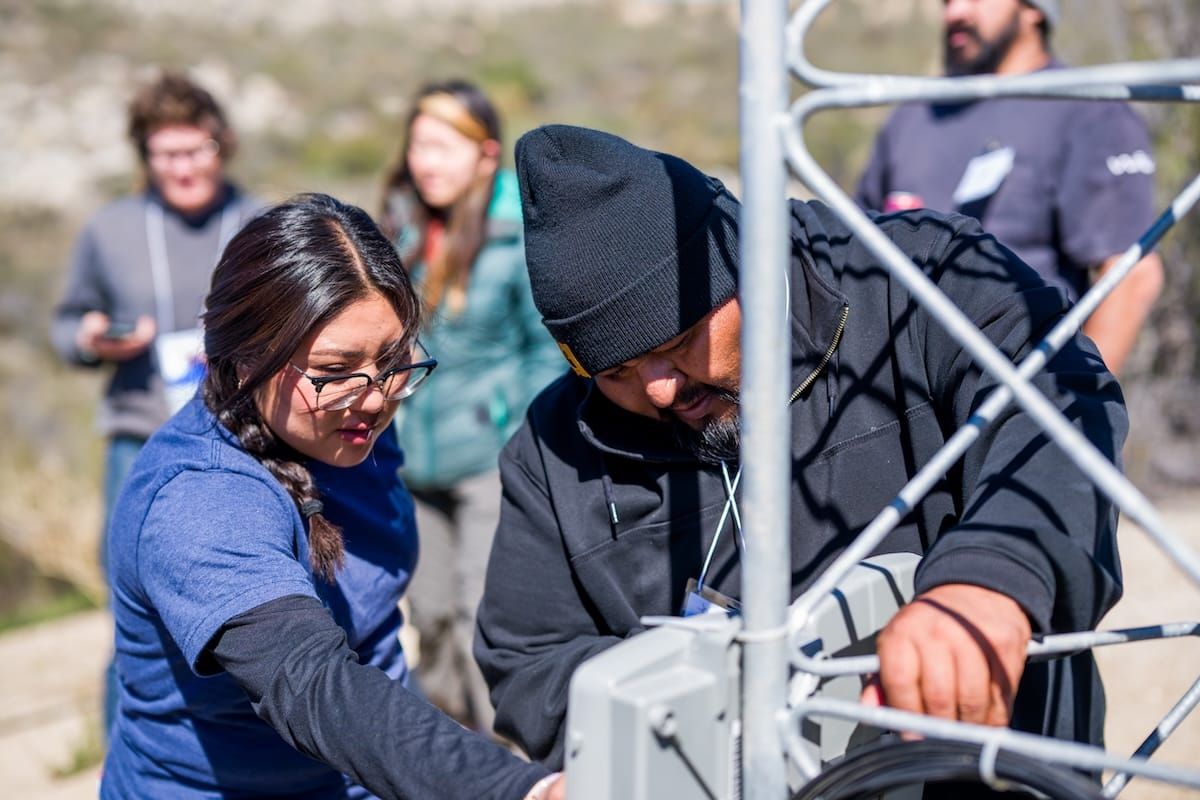
MINNEAPOLIS, June 16, 2026 — The Institute for Local Self-Reliance (ILSR) on Tuesday released its updated census of Tribal Internet networks, showcasing a comprehensive look at the burgeoning state of Internet connectivity across Indian Country.
The new resource combines an interactive, searchable map with a first-of-its-kind network-by-network census, a detailed historical timeline tracing the arc of Tribal broadband policy and advocacy from the passage of the Telecommunications Act of 1996 to the present day, along with a compendium of entries on each active network.

“When we first performed this census, in 2020, we counted around 40 active Tribal networks of some kind. Now, that figure has doubled. In short, we are in the midst of unprecedented growth in Tribal broadband,” says ILSR’s Senior Researcher Jessica Auer, the creator of the census project.
What ILSR’s 2026 Census Found
- Nearly 90 active Tribal Internet networks currently selling retail services or operating active institutional networks, with many in the process of expanding or upgrading
- More than 50 expected networks that have received funding to build and should come online soon
- Approximately 60 prospective networks — Tribes that are actively considering or pursuing Internet access for their communities
Together, the census covers Tribal broadband activity across more than 200 federally recognized nations, spanning nearly every region of the country.
The Digital Divide on Tribal Lands
The urgency behind this growth is clear. According to the Federal Communications Commission, nearly 24 percent of locations on Tribal lands still lacked access to fixed broadband at speeds of 100 * 20 Megabits per second (Mbps) in 2022 — more than three times the national rate of 7 percent. Federal policy failures and decades of neglect by large monopoly providers, which consistently prioritized high-density and wealthier areas, are responsible for the lion's share of these inequities.
In one documented case highlighted in the updated census, the Morongo Band of Mission Indians waited eight years for a major telecom carrier to bring service to its reservation after the company received federal funding to do so — and only after the Tribe paid for installation itself and guaranteed a minimum number of subscribers.
Broadband as an Exercise of Sovereignty
Beyond the practical benefits of expanded connectivity, the census project frames the Tribal broadband surge as a mission to establish "network sovereignty" — the right of Tribal nations to determine for themselves telecommunications development on their own lands and on their own terms.
“Tribes can self-determine the course of the communications development on their lands, the terms of that development, and the way the benefits of connectivity play out in their communities,” Auer writes.
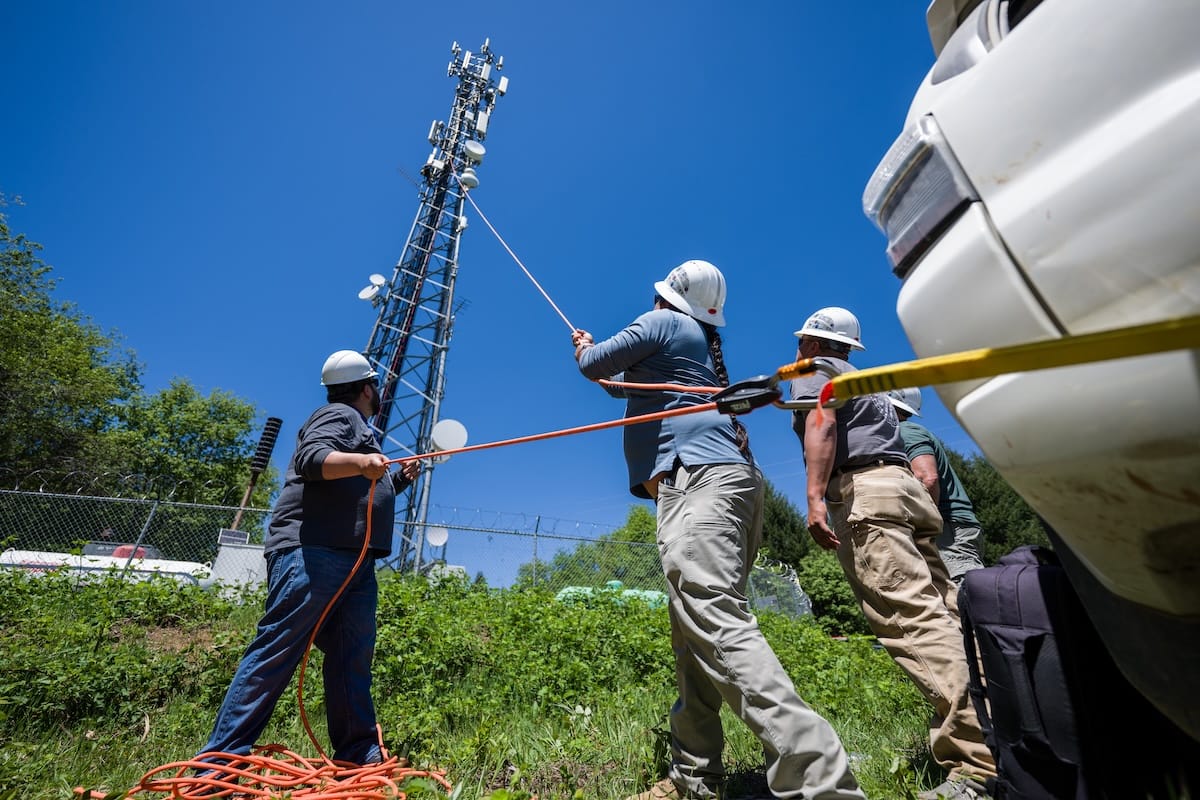
In support of that sovereignty, workforce development has become a central focus, with Tribal nations investing in apprenticeship programs, technician training, and partnerships with colleges and universities. The Tribal Broadband Bootcamps — a joint initiative between ILSR and Waskawiwin in which Auer is a lead organizer — have brought together operators and advocates from more than 90 Tribes to build technical capacity and community across Indian Country.
A Historical Timeline: From Neglect to Movement
Alongside the census and interactive map is a detailed historical timeline documenting the policy victories and setbacks that shaped the Tribal broadband movement — from the 1996 Telecom Act's omission of Indian Country communications, to the FCC's 2020 opening of the 2.5 GigaHertz (GHz) Rural Tribal Priority Window (which drew nearly 400 applications when the agency expected roughly 10), to the landmark $3 billion dollar Tribal Broadband Connectivity Program that has transformed the landscape.
Key “small victories” milestones documented in the timeline include the FCC's 2000 Tribal Policy Statement, the 2010 creation of the Office of Native Affairs and Policy, the 2022 E-Rate rule that formally extended eligibility to Tribal libraries after decades of advocacy, and the inclusion of Tribal consent requirements in major federal funding programs — a hard-won acknowledgement that communities should have a say in how, and by whom, their lands are served.
Challenges and Threats Ahead
The census project is clear, however, that the work is far from finished. Demand for Tribal broadband funding has vastly outpaced what has been made available with applications to the Tribal Broadband Connectivity Program totaling nearly $9 billion in requests. Tribes also continue to face significant financial and structural barriers to construction, including larger backhaul costs, low population density, and limits on their ability to use Tribal land as collateral for loans.
The report also sounds the alarm about recent actions by the Trump administration, which has clawed back some Tribal broadband grants and may prevent remaining federal funds from being used for future-proof fiber infrastructure — threatening to reverse hard-won gains at a critical moment in the buildout.
ILSR's 2026 Tribal Broadband Networks resource — including the interactive map, full network census, historical timeline, and downloadable PDF — is available here.
Users can filter and search by network status, location, and type, and click on individual entries for details about each network or project.
Sean Gonsalves is Associate Director for Communications with the Institute for Local Self-Reliance Community Broadband Networks initiative