Welch Calls Broadband Essential for Rural Opportunity at Vermont Statehouse
The senator met with state and local leaders in Montpelier to discuss federal priorities aimed at strengthening rural communities.

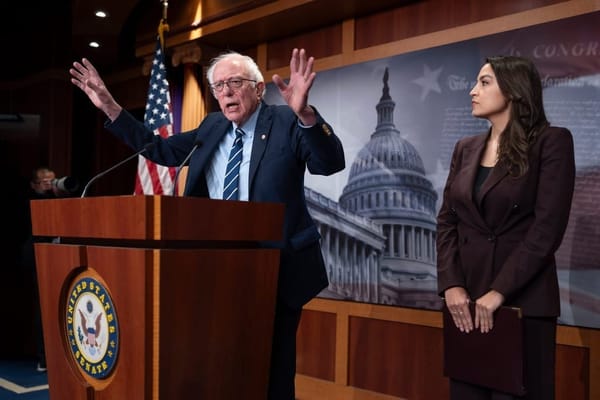
WASHINGTON, Jan. 26, 2026 – Sen. Peter Welch, D-Vermont, said the importance of broadband access is foundational for rural economic development, according to a press release issued during Vermont’s annual Northeast Kingdom Day on Thursday.
Welch, the ranking member of the Senate Agriculture Subcommittee on Rural Development, Energy, and Credit, met with state and local leaders in Montpelier to discuss federal priorities aimed at strengthening rural communities, including investments in connectivity, health care, and small businesses.
“The role we have in government is not about handouts, it’s about creating a level playing field for rural communities,” Welch said. “That means affordable and accessible health care. That means state-of-the-art broadband.”
The Northeast Kingdom, a largely rural region in northeastern Vermont, has faced infrastructure challenges common to remote communities, including limited broadband availability and higher deployment costs, he said. Welch framed federal investment as a responsibility to ensure rural areas can fully participate in the modern economy.
He linked broadband expansion to broader economic resilience, arguing that reliable high-speed internet strengthens small businesses, supports agricultural operations, and improves access to services such as telehealth and remote education.
Welch said federal rural development policy should focus on building durable infrastructure that allows communities to grow on their own terms, rather than relying on short-term assistance.
“The federal government’s responsibility is to make sure the infrastructure to succeed is strong in rural America,” he said.
Six grants will expand and implement Wi-Fi in public plazas, parks and municipal buildings.
As fiber networks rapidly expand nationwide, the retirement of legacy copper infrastructure has emerged as a critical broadband policy debate, raising complex questions about service continuity, regulation, and the risk of leaving rural and low-income communities behind.
The bill would direct the Illinois Commerce Commission to set broadband price protections for low-income residents.
Carriers worry permitting delays and labor shortages could lead to connectivity loss in rural communities.
Member discussion