
West Virginia Moves to Curb Pole Disputes Ahead of BEAD
New regulations clarify cost-sharing rules, reporting requirements, and new dispute-resolution process.

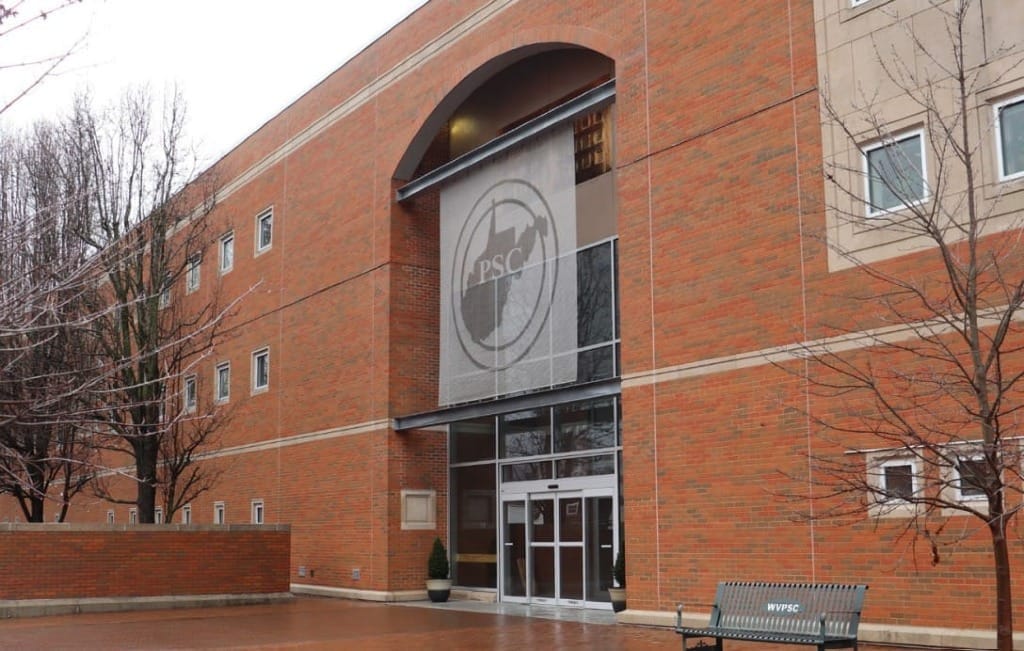
WASHINGTON, Sept. 2, 2025 – West Virginia regulators have capped a yearlong effort to rewrite the state’s pole attachment policies.
In an order issued Aug. 26, the Public Service Commission of West Virginia declared that pole replacements were “shared assets” and that costs must be divided among all who benefit, including the pole owner, existing attachers, and new broadband entrants.
The PSC said the clarification was essential as West Virginia prepares to deliver fiber to 94 percent of its unserved homes and businesses under the federal Broadband Equity, Access, and Deployment program. With millions in federal and state funding on the way, commissioners stressed the need to prevent pole attachment disputes from delaying infrastructure projects.

The order aligned the state’s rules closely with those of the Federal Communications Commission. The PSC cited the FCC’s 2011 Pole Attachment Order, 2018 Wireline Infrastructure Order, 2021 Declaratory Ruling on Pole Replacements, and 2023 Fourth Report and Order in its decisionmaking.
Together, these rulings have shifted federal policy away from requiring a single attacher to pay for full pole replacement costs.
“We believe that the FCC has evolved to understand that if a pole is due for replacement for any reason it is not ‘necessitated solely’ by the new request,” the order states. “Thus, the attacher should only pay an appropriate portion of the cost of the replacement pole as should all other attachers, including the utility.”
Beyond adopting cost-sharing models, the order imposes new transparency requirements. Utilities must now submit uniform pole inspection data and contribute to a statewide pole information database. Pole owners will also be required to file annual compliance reports with the commission.
To streamline disputes, the PSC established a Pole Attachment Working Group, modeled after the FCC’s Rapid Response Team, to address conflicts before they escalate into formal complaints.
The ruling follows a complaint by Comcast against Appalachian Power, in which the company alleged it was forced to fix pre-existing violations on poles before being allowed to attach new broadband lines. That dispute, the PSC said, underscored the need for clearer cost-allocation rules and a fairer process for resolving pole access conflicts.
“The landscape associated with broadband deployment today in West Virginia is vastly different than perhaps at any previous point due to the unprecedented funding levels presently available,” the order, signed by Karen Buckley, executive secretary for the PSC, stated.
Buckley pointed to BEAD and prior funding opportunities, including the federal Rural Digital Opportunity Fund and American Rescue Plan Act, as well as West Virginia’s own Line Extension Advancement and Development program, Major Broadband Strategies Program, and the Gig Ready program.





Member discussion