WISPA: Charter Not Renewing Wholesale Contracts

The group said some rural providers would have few other options for middle mile service.

WISPA: Charter Not Renewing Wholesale Contracts
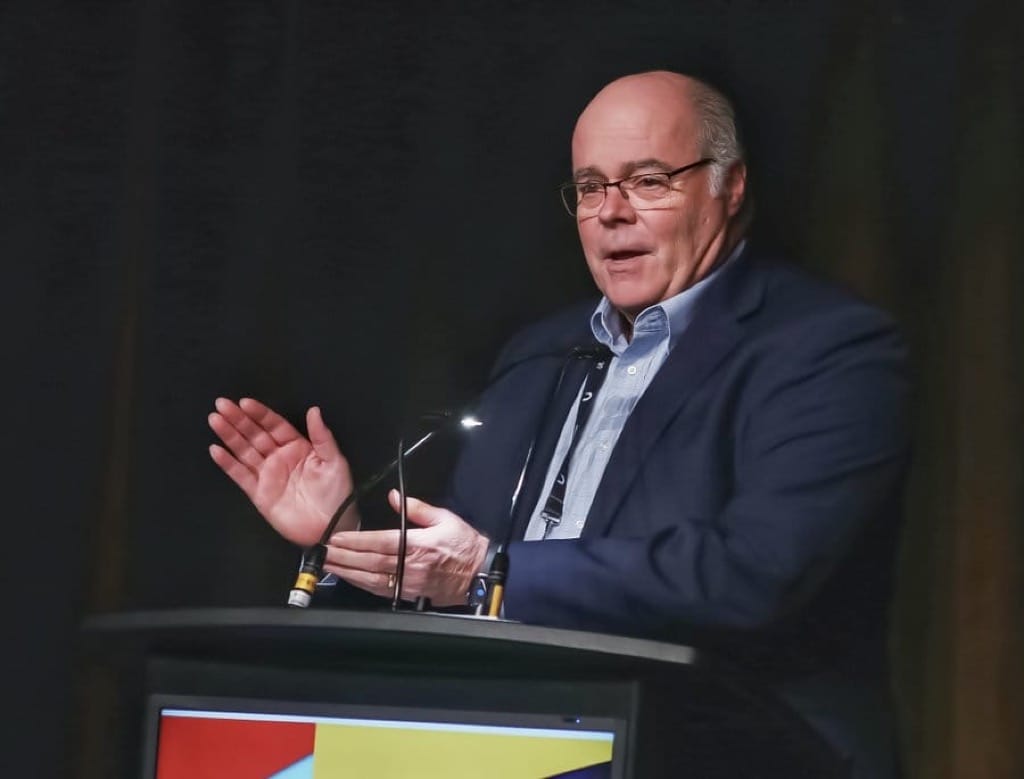
Photo of WISPA CEO and President David Zumwalt from X.

WASHINGTON, Jan. 23, 2026 – Wireless broadband providers say cable giant Charter Communications is refusing to renew contracts for wholesale middle mile service in rural areas.

“In rural areas where there are no or few other options for these services, Charter’s internal policy could have the effect of cutting off internet service to the communities WISPA’s members serve or increasing costs resulting from a reduction in competition for upstream wholesale services,” WISPA CEO David Zumwalt and other WISPA heads told an aide from Federal Communications Commissioner Anna Gomez’s office in a Tuesday meeting.

A Charter spokesperson said the company declined to comment.

The cable giant is in the process of acquiring fellow cable operator Cox Communications, which will expand the company’s footprint to nearly 70 million passings nationwide.

WISPA said that while the FCC “may not want to require Charter to extend or enter into contracts for these upstream wholesale services with third parties,” the group feared the same policy being extended to Cox after the merger and thought the agency would have the authority to tack a similar condition on to its merger approval.

“Given the public interest benefits of preserving connections between rural broadband providers and the internet, the Commission should be aware of and monitor marketplace activities that could threaten access to the internet in rural communities,” the group wrote.

Charter and Cox defended their $34.5 billion deal last month from opponents who told the FCC it would reduce competition in the broadband market. The FCC has to approve the transaction.

Consumer advocacy groups had argued that the merger would further consolidation in the already top-heavy broadband industry and reduce competition, enabling large wireline providers to comfortably split the subscriber pool without upping the ante on service quality or price.

The companies countered that their footprints are almost entirely separate, meaning few households would have fewer ISP options after the deal, and subscribers are already leaving cable companies in droves.

“The companies do not meaningfully compete with each other, and each company’s position has been declining in the highly competitive broadband marketplace,” Cox and Charter wrote in a filing. “Consumers could readily punish the combined company for price increases by shifting to FWA, satellite, or fiber competitors.” 

Member discussion

Popular Tags