ACLP: BEAD Winners Set to Put Up $11.4 Billion in Matching Funds
That’s more than 37 percent of the program’s total project costs, the group found.

WASHINGTON, June 2, 2026 – Internet Service Providers are planning to put up nearly $11.4 billion of their own cash to support projects funded by the Commerce Department’s flagship broadband expansion program, more than 37 percent of total project costs.
That well exceeds the 25 percent minimum under Broadband Equity Access, and Deployment program rules.

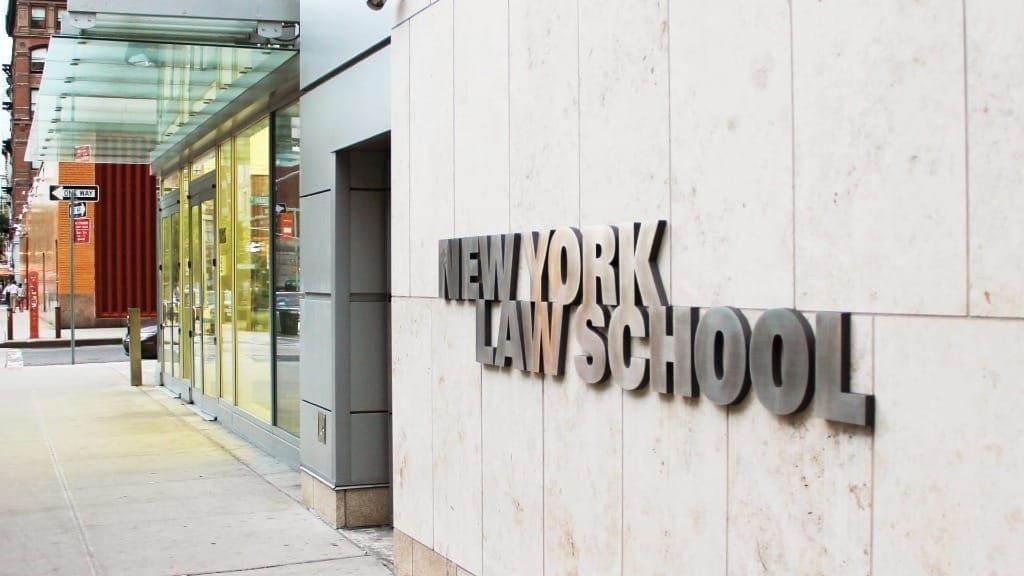
The analysis, done by Alex Karras and Michael Santorelli of New York Law School’s Advanced Communications Law & Policy Institute, found federal BEAD support totaled about $18.7 billion, putting the program’s “non-deployment” funds north of $23 billion.
The researchers said their report covered the “54 states and territories with approved, submitted, or draft proposals” under the $42.45 billion program. That did not include Puerto Rico or the U.S. Virgin Islands, which had no eligible locations due to other enforceable deployment commitments.
The National Telecommunications and Information Administration has approved the final spending plans from each state and territory other than California and Illinois. Those states are planning to spend $1.57 billion and $936 million respectively and each saw private match rates consistent with the national figure. Those numbers could change in the NTIA-approved plans.
States were able to entice ISPs to bid on hard-to-serve areas by putting other state and federal funding sources toward the match requirements. Karras and Santorelli found they used this option sparingly — the Trump administration required states to encourage greater matches wherever they could, including by scoring projects higher if companies proposed putting up more cash.
State match totaled $390 million nationally, and federal match was just $48 million. That, plus $30 million in “other match” funding from third parties amounted to about 1.6 percent of project costs across the program.
Broadband provider match can be in the form of cash or in-kind contributions like equipment and labor.
Nevada, one of three states to have a final spending plan approved under the Biden administration rules that NTIA scrapped in June 2025, was planning to use $137 million in outside funding toward project matching.
After a new round of bidding, the state’s Trump administration-approved plan brings no state or federal money to support ISP matches. More locations are being served by cheaper-to-deploy satellite broadband and about half the state’s eligible locations were removed from its map.
Nevada’s statewide ISP match was just 16 percent. BEAD’s matching rules are waived in especially high-cost areas, and states could request waivers to drop the requirement to encourage more bids.
Alaska also missed the 25 percent benchmark, posting a 10 percent ISP match, while others far exceeded it — in seven states broadband providers were covering more than half the total project costs.
The researchers found Comcast, AT&T, and SpaceX had the highest match value on BEAD projects, posting $2 billion, $1.5 billion, and $797 million respectively. Each of those figures exceed what the companies are in line to receive in BEAD funding across the country.
The dozen national ISPs with more than 2 million locations in their footprints brought their deeper pockets to bear during BEAD bidding, putting up about $6.1 billion in matching funds, which Karras and Santorellie noted was more than all 400 other BEAD participants combined.
Smaller ISPs with fewer than 250,000 locations, the large majority of BEAD winners, are set to put up about $3.2 billion, still exceeding the 25 percent match minimum.