AT&T Seeking Refund on FCC Location Data Fine
T-Mobile and Verizon are also looking for refunds after the Supreme Court ruled initial forfeiture orders are nonbinding

Jake Neenan
WASHINGTON, Aug. 10, 2026 – AT&T has joined the other two national wireless carriers in asking judges for a refund on a Federal Communications Commission fine from 2024.
The agency fined the carriers a total of more than $200 million for not vetting third parties thoroughly enough before selling them customer location data. The companies have said they stopped selling that data by 2019.
The companies paid but appealed, arguing the agency couldn’t issue fines at all under recent Supreme Court precedent in SEC v. Jarkesy.
They came away with a high court ruling that found FCC could issue forfeiture orders, but the penalties weren’t mandatory until the Justice Department sued to collect and won in court. Experts have said it’s still unclear how often companies will go that route in practice.
Regardless, that was not the common understanding of FCC fines, AT&T argued to the U.S. Court of Appeals for the Fifth Circuit. The company said it wouldn’t have paid its $57 million penalty if its lawyers didn't think it absolutely had to.
“The Commission’s every action culminating in its final forfeiture order and
leading to AT&T’s petition for review indicated that AT&T was obligated to pay the
$57 million forfeiture immediately,” Pratik Shah, an attorney representing AT&T, wrote in a Thursday filing. “At the very least, the Court should order the Commission to issue AT&T a refund.”
When the Supreme Court ruled on the issue in June, it reversed a Fifth Circuit decision and sent it back down.
T-Mobile and Verizon did not get the same treatment, since in their challenges lower courts had sided with the FCC, and they’ve each asked the Supreme Court to send their cases back down too so they can pursue refunds.
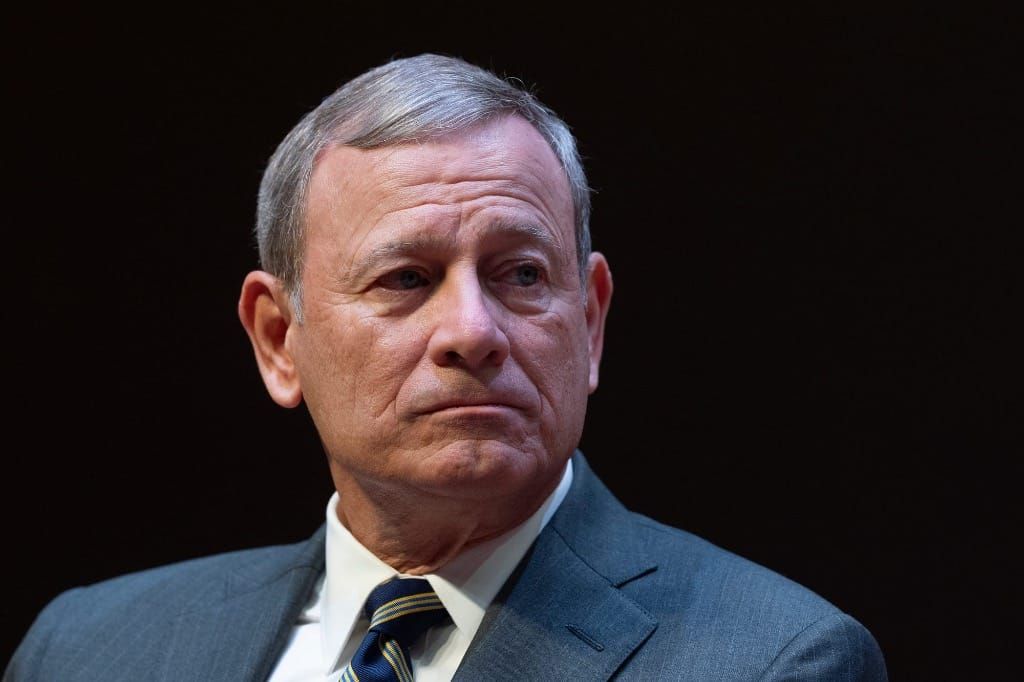
The carriers had previously asked for one, but Chief Justice John Roberts wrote for the 8-1 majority that the court wasn’t taking a side on the issue.
AT&T also wanted the Fifth Circuit to reconsider other issues it said were still unresolved, including whether the location data at issue was even covered by FCC privacy rules and whether the fine amounts were allowable under agency rules.
The carrier argued neither was true. AT&T wanted the Fifth Circuit to find FCC rules only cover location data related to voice calling, a telecom service, and that fines were capped at $2 million.
The Second and D.C. Circuits, which heard the T-Mobile and Verizon challenges, said that carriers providing bundled voice and mobile broadband service meant the location data related enough to the voice service relationship that it was covered. They also found it was valid for the FCC to treat each data sale as a separate rule violation, which is how it reached the cumulative $200 million in fines.
CTIA, the wireless industry group, has also asked the Supreme Court to review the case again and hand down answers on those questions, with the same positions as AT&T.
The FCC has to respond to AT&T’s arguments at the Fifth Circuit by Sept. 5.
FCC Chairman Brendan Carr, a commissioner at the time, dissented from the fines when they were handed down. But under his leadershop the agency has been defending the penalties and its ability to issue them, arguing that many consumer protection rules would go unenforced if it couldn't levy fines.