Aviation Groups, Iridium Still Don’t Like Ligado-AST Space Mobile Deal
Ligado wants discovery in its $39 billion lawsuit against the Defense Department

WASHINGTON, Aug. 24, 2026 – Several aviation industry groups and others are still not fans of Ligado and AST SpaceMobile’s proposed direct-to-device spectrum deal.
The partnership would make it effectively impossible for Ligado to deploy a terrestrial network with the same L-band spectrum, they argued, something the company secured FCC approval for in 2020 but has yet to do.

“Given AST’s role as the sole day-to-day operator of” a direct-to-device constellation using Ligado’s spectrum, “it is clearly not possible for Ligado to operate a terrestrial mobile offering” that coexists with AST, the groups wrote in a Friday filing with the Federal Communications Commission.
The letter was signed by Airlines for America, which represents the major airlines, satellite company Iridium, and other aviation, GPS, and maritime groups. Iridium has long opposed the deal and asked the FCC to deny it, while the other stakeholders have raised concerns about interference to GPS systems.
If the agency does approve the deal, they said they wanted the 2020 terrestrial authorization revoked, which they also fear would cause interference.
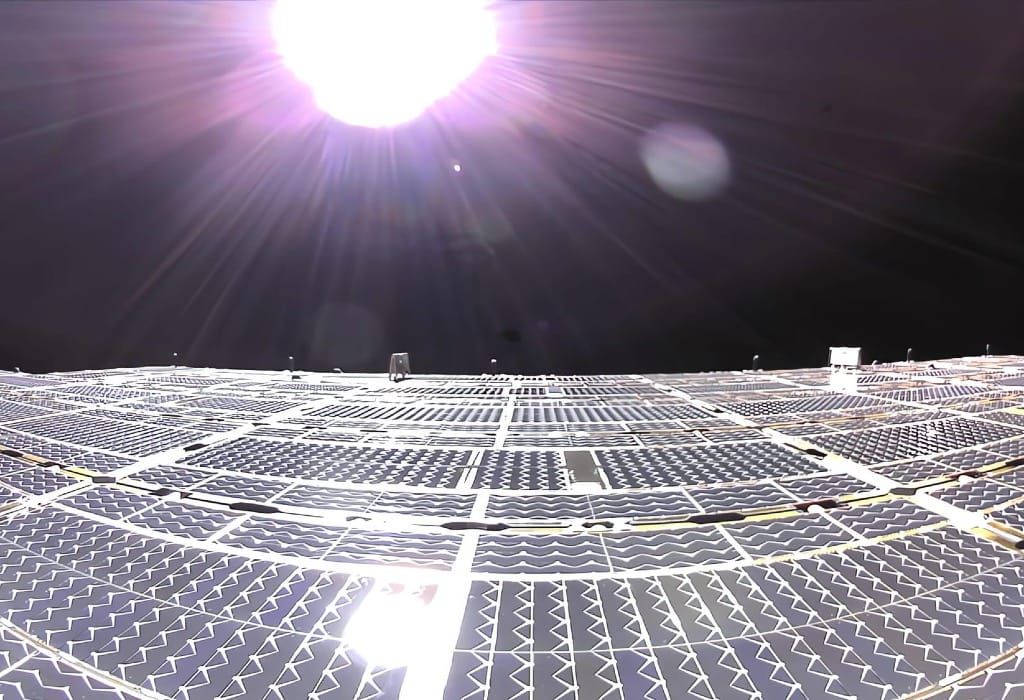
AST would deploy a 96-satellite direct-to-device constellation using Ligado’s L-band spectrum under the deal. That would be exclusive spectrum not controlled by a terrestrial carrier, unlike the deals with AT&T and Verizon AST currently has. The company is behind schedule on its launches and is aiming to begin service next year.
AST is providing $550 million for Ligado to repay debts and emerge from bankruptcy, although the last roughly $100 million of that is on pause after Ligado’s creditor, Inmarsat, opposed the deal at the FCC.
In a July 20 letter, Ligado had said it would retain its right to deploy the spectrum terrestrially “if that someday becomes possible.”
“The arguments in this filing have nothing to do with the MSS proceeding currently before the FCC. Ligado’s ATC authority was thoroughly considered and settled by the Commission years ago,” a Ligado spokesperson said in an email. “This is simply the latest attempt by parties challenging Ligado’s application to prevent greater competition in the growing direct-to-device market.”
In another letter, also submitted on Friday, Ligado answered another round of technical questions from parties skeptical of the deal, including an aviation spectrum manager that signed the Friday letter with Iridium.
“A party looking to block progress cannot delay innovation through a treadmill of follow-ups and interrogatories that are beyond the scope of the Commission's inquiry,” Ligado attorney Gerard Waldron wrote. “The record in this proceeding is more than complete and we urge swift action to introduce new competition into the marketplace for direct-to-device services.”
Ligado and AST representatives met with FCC staff on Aug. 13, and presented a slideshow in support of its claims of non-interference. The slides were redacted in the FCC’s public comment system.
Defense Department litigation
Ligado is suing the Defense Department over the same spectrum. The company is seeking $39 billion in damages, arguing the government is operating a secret national security system that has so far prevented terrestrial deployments in the band.
The Capitol Forum has reported that the parties might reach a settlement.
On Aug. 14, however, Ligado told the U.S. Court of Federal Claims that the case should proceed to discovery. Among other things, the company wanted to gather evidence of both federal and non-federal use of the L-band spectrum at issue.
The government, for its part, wanted more briefing.
The case could be significant for the rest of the industry, as it’s centered on whether an FCC spectrum license creates a property right that other agencies can’t seize without payment.
Ligado did reach a settlement with Boeing last month. The satellite company would pay $32 million to settle the suit, in which Boeing was initially seeking more than $60 million in unpaid fees.
Update: This story was updated to add comment from Ligado