Broadband Executives Address Digital Divide
Some regions facing larger connectivity barriers than others

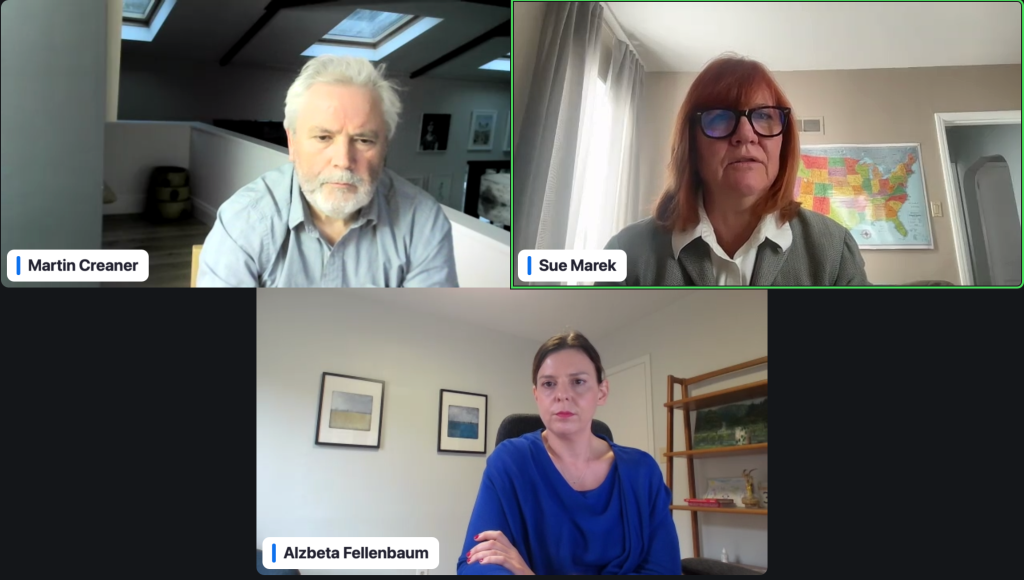
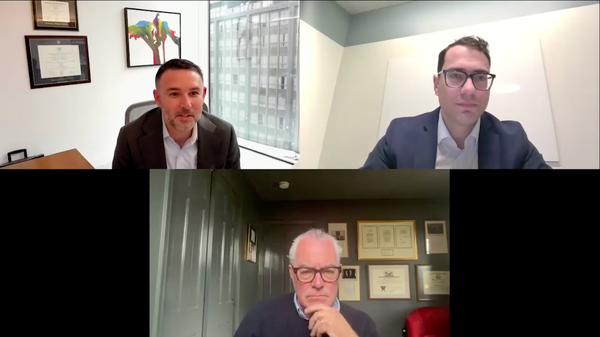
WASHINGTON, Nov. 19, 2024 – Broadband executives met online for a panel discussion Tuesday on the topic of closing the digital divide with the help of user data.
Omidia’s Principal Analyst Alzbeta Fellenbaum noted in the discussion the importance of user data in determining which regions have the largest gaps in populations with high-speed broadband access. The panel also included World Broadband Association Director General Martin Creaner.
Ookla’s Editorial Director Sue Marek said, “The state of Washington has a big gap, 61.1 percent of their urban residents have access to broadband at the Federal Communications Commission minimum broadband speed, but only 28.7 percent of rural residents have access to that minimum standard of broadband.”
The FCC’s speed benchmark was recently updated to 100 * 20 Mbps.
“[To find this information] we used speed test intelligence data that was collected in the first half of 2024,” Marek continued.
The executives were speaking in an online conversation hosted by Ookla and moderated by Marek.
The panelists noted that general connectivity access has improved, but access to high speed broadband critical to many of today’s applications continues to face large disparities between regions.
“[Africa is facing a] very different set of challenges than North America is looking at,” Creaner said. “It's looking at challenges with power availability, It’s looking at challenges around vandalism and access to equipment.”
Kaptivate analysis finds some states’ references to rural America dropped 80 to 100 percent
Idaho, Massachusetts, Minnesota, North Carolina, and Utah had their final proposals approved.
The approval follows recent elections where two Democrats won seats on the commission. Those Democrats oppose the plan but don't take office until January.
Lawmakers are considering how best to reform the fund.
Member discussion