California Middle-Mile Project Advances as Network Operator Selected
About 46 percent of fiber installation complete, state officials say.

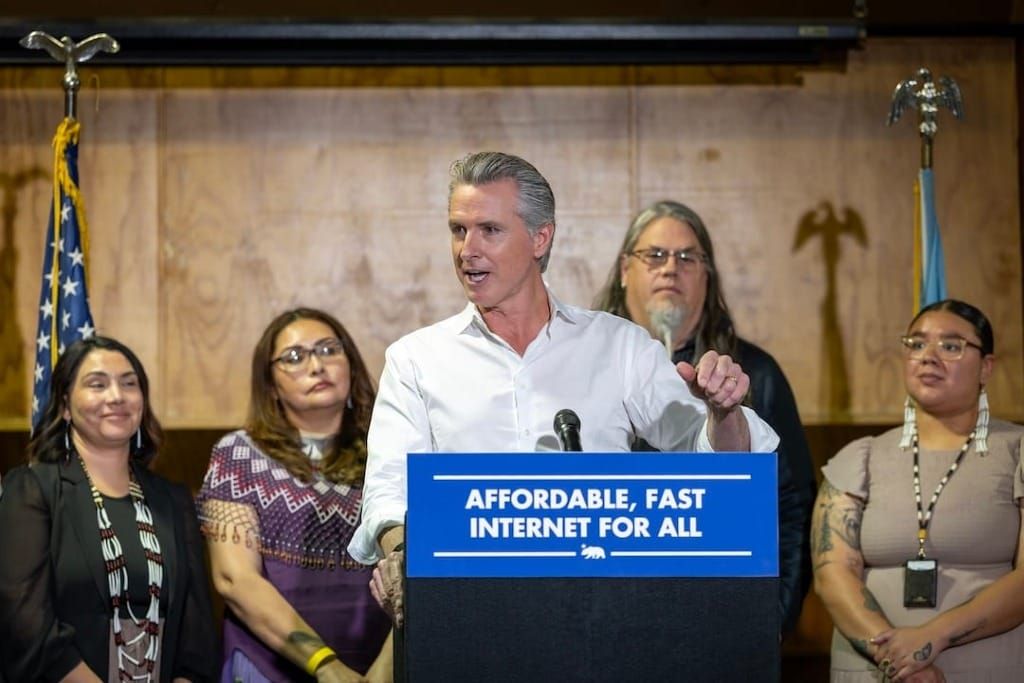
April 27, 2026 – California’s statewide middle-mile broadband network is advancing rapidly, with officials announcing a key operational milestone and continued construction progress.
At the California Broadband Council's Friday meeting, state leaders said Skyline Technology Solutions has been selected as the network operator for the Middle-Mile Broadband Initiative following what officials described as a rigorous procurement process. The company is expected to begin service in July, with onboarding starting immediately.
Skyline will oversee day-to-day operations of the network, including 24/7 monitoring, maintenance, incident response and ensuring service-level performance across the system. The company, founded in 2004, has experience in network engineering, cybersecurity and large-scale infrastructure operations.

The announcement comes as California reports significant progress on the project, which aims to expand high-capacity fiber infrastructure statewide. According to officials, 73 percent of the planned network has now been permitted, with more than 670 miles added since January.
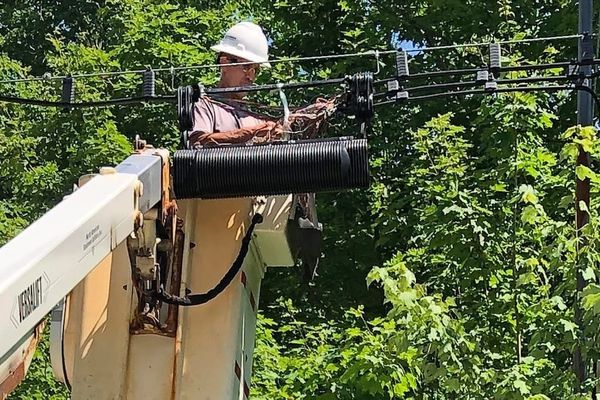
Construction is also accelerating with about 46 percent of fiber installation has been completed, with more than 300 additional miles built in recent months. In total, over 3,000 miles of conduit and fiber have been installed, with active construction spanning more than 2,000 miles of highways and local roads.
California Governor Gavin Newsom (D) has said the initiative is targeting roughly 8,000 miles of fiber, with a goal of completing more than 5,300 miles by the end of 2026.
State officials emphasized the scale of the effort, noting that California is undertaking a project unlike any previous statewide broadband buildout.
“I try to remind people, we’re doing something that the state hadn’t done before,” said James Spencer, broadband administrative manager at the California Department of Technology, speaking at the April 24 meeting.
The middle-mile network is designed to connect regional and local broadband providers, helping expand access in underserved areas by lowering the cost of delivering high-speed internet.
Officials said coordination is ongoing with the California Public Utilities Commission and federal funding recipients, with up to 65 connection points expected in the initial phase.
As construction continues, the state said the project remains on track to play a central role in closing California’s digital divide.
Update: This article has been updated to note that the announcements took place at the California Broadband Council's meeting on Friday, April 24, 2026.