EchoStar Holding off on $138 Million Interest Payment, Waiting on AT&T Spectrum Proceeds
DOJ is also looking to remove its requirement that EchoStar operate a mobile network, a remnant of the T-Mobile-Sprint merger.

Jake Neenan
WASHINGTON, June 8, 2026 – EchoStar missed a $183 million interest payment last month, saying it was waiting on cash from its spectrum sale to AT&T.
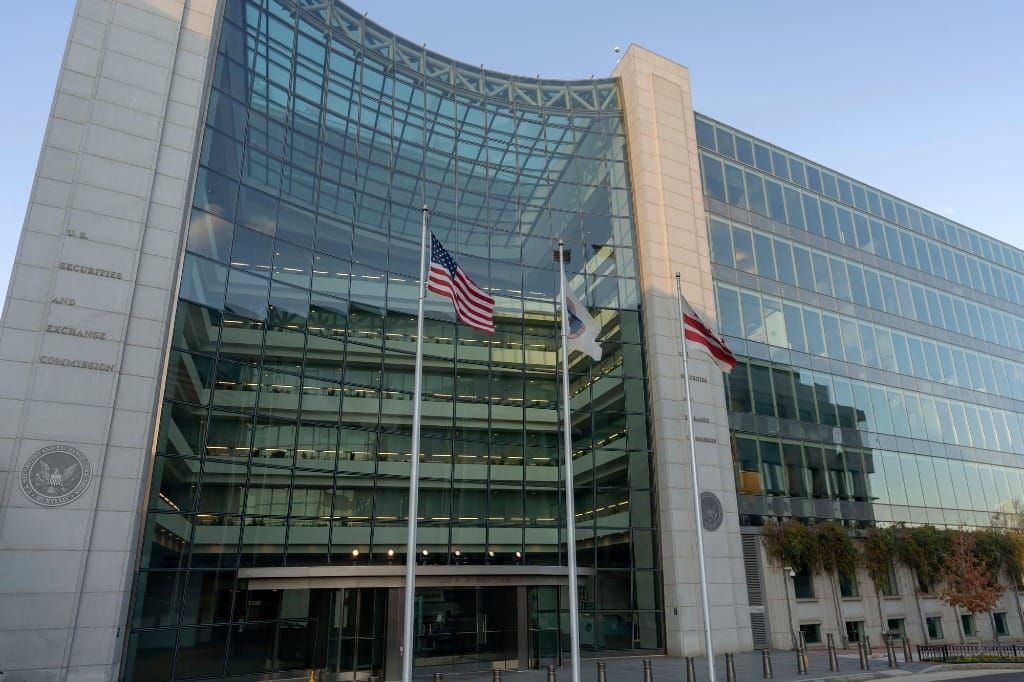
The company said in a filing with the Securities and Exchange Commission that it expects its net proceeds from the deal to be $20.25 billion.
The transaction already has approval from the Federal Communications Commission and Justice Department, but “the FCC’s approval remains subject to the FCC’s order becoming final,” EchoStar explained.
That will need to happen before the deal can close and EchoStar can actually receive the cash. The companies were targeting a mid-2026 close date, which the approvals put the deal in line for.
The company noted it had a 30-day grace period to make the payments it defaulted on. They were due June 1.
EchoStar is looking to liquidate the rest of its spectrum licenses, it told the FCC last week. It already reached deals to sell additional spectrum to SpaceX for about $19.6 billion, which the FCC also approved.
The SpaceX deal is expected to close in November 2027, SpaceX said in its IPO filing, unless SpaceX pays additional cash to close sooner.
The FCC approved EchoStar’s spectrum sales on the condition it set aside $2.4 billion to pay potential settlements with former business partners and contractors. EchoStar subsidiary Dish has been telling companies its contracts and leases are void in the wake of the sales, something business partners have taken the company to court over.
DOJ comments
Separately, DOJ’s antitrust division said last week it was looking to rescind its requirement that EchoStar build and operate a mobile network. EchoStar is now decommissioning that network after the spectrum sales and serving its Boost Mobile customers mostly on AT&T infrastructure.
EchoStar was supposed to build a mobile network to address antitrust concerns when T-Mobile bought Sprint in 2020. But now that the company is selling its airwaves, operating a wireless network is not on the table anymore, DOJ attorneys Frederick Young and Eva Rhule told federal judges.
“The United States has determined that there is no available outcome that would allow EchoStar to continue as a mobile radio network operator, and that the proposed transactions represent the best outcome for competition under the circumstances,” they wrote. “Rather than entering bankruptcy and exiting altogether, EchoStar can now remain in business as a mobile wireless services provider for years” after the court’s final judgment in the T-Mobile-Spring merger.
EchoStar has maintained it had to sell its licenses amid investigations from FCC Chairman Brendan Carr. Carr was convinced the company wasn’t putting its airwaves to good use, and EchoStar could have gone bankrupt if it forfeited the licenses.
DOJ is taking comments on relieving EchoStar from its requirement. Those are due June 18.