House Dems’ Bill Would Provide Broadband Discounts in Public Housing
The Department of Housing and Urban development would cover up to the lowest cost broadband plan available in the area.

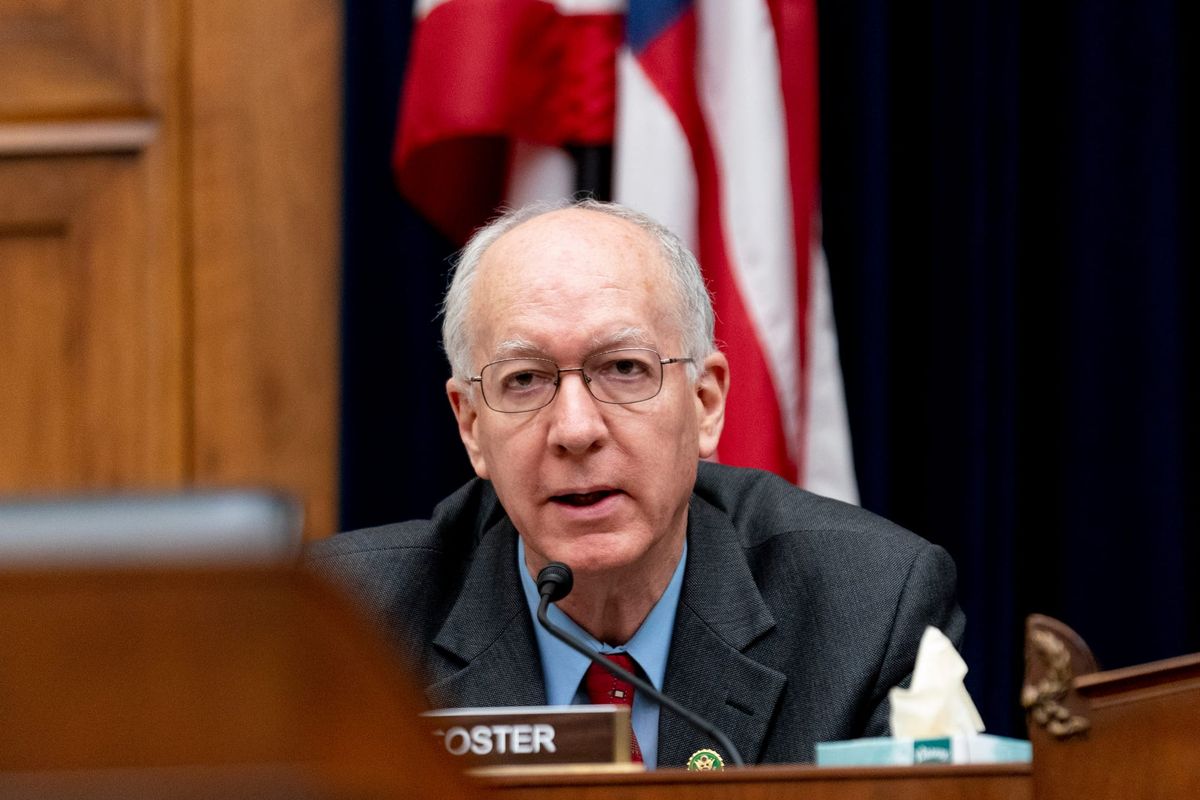
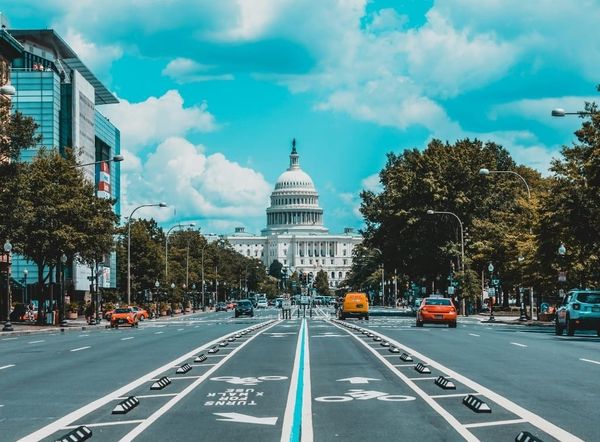
WASHINGTON, June 8, 2026 – House Democrats introduced a bill Thursday that would provide internet discounts to low-income families living in subsidized housing.
The Department of Housing and Urban Development provides rent reductions or reimbursements for utility payments to households in public housing. Under the bill, led by Rep. Bill Foster, D-Ill., broadband would be added to the list of allowed utilities.
Households would be eligible if they had a child receiving free or reduced-price school lunches. HUD would cover up to the lowest cost broadband plan available in the area, a draft of the bill said.
“This bill would help close the divide for the millions of students who lack broadband internet access in their home, allowing them to succeed in their courses,” Foster said in a statement.
Also sponsoring the bill were Reps. Suzanne Bonamici, D-Ore., Joyce Beatty, D-Ohio, Madeleine Dean, D-Pa., and Stephen Lynch, D-Mass. Eleanor Holmes Norton, a non-voting delegate from D.C., also supported the legislation.
HUD says there are about 1.2 million total households living in federally subsidized housing in the U.S.
The current federal broadband subsidy provides about 8 million low-income households with $9.25 per month, lower than almost any fixed broadband service. Lawmakers are working to modernize the Universal Service Fund that provides Lifeline’s cash. It’s not clear yet if that will mean a raised affordability subsidy, though some parties have advocated for it.
“Lifeline discounts should be expected to zero-out co-pays for most subscribers, as eligibility criteria target the benefit to those households most in need of assistance,” the National Lifeline Association wrote in comments to the Congressional working group last year.
The Federal Communications Commission, which manages Lifeline, is proposing some additional changes to the program which include stricter eligibility requirements.
The Affordable Connectivity Program provided $30 per month to 23 million low-income households, but Congress couldn’t come to an agreement on more funding and the program ran out of money in 2024.
Some states also have their own broadband affordability programs.
Oregon provides an extra $24.95 to Lifeline participants, and New Mexico’s legislature passed a measure providing funding for an up to $30 broadband discount for low-income households.
California also has its state-funded California Lifeline, which provides up to $20 per month for standalone broadband subscriptions or $30 for bundled broadband and voice service.