
Coalition Forum Spotlights Economic Potential of LEO Broadband
Lawmakers and advocates said emerging satellite networks are strengthening remote economies.

Akul Saxena
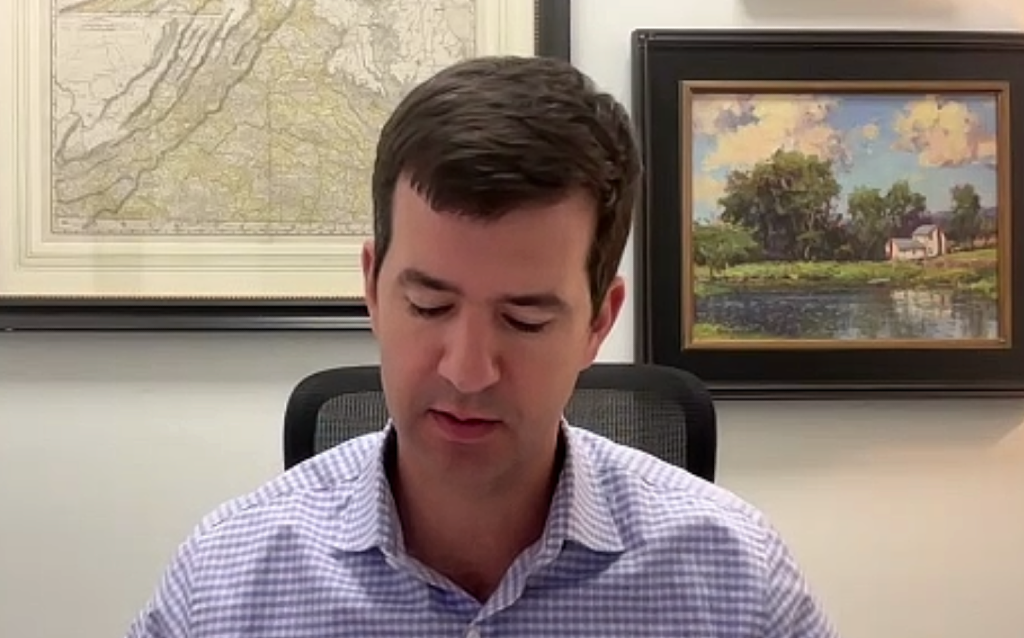
WASHINGTON, Nov. 17, 2025 — The Connect Everyone Coalition, a national advocacy group promoting technology-neutral broadband policy, held a forum Monday on how low Earth orbit satellite networks are shaping economic development and expanding connectivity in rural communities.
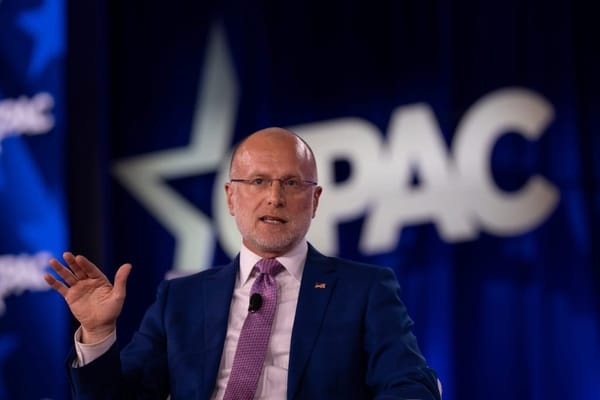
The coalition’s executive director Richard Cullen said commercial space investment has become central to national broadband planning and cited recent remarks from Federal Communications Commission Chair Brendan Carr, who called the sector “Space Race 2.0.” Cullen said LEO networks have provided critical backup service during outages and natural disasters and are increasingly supporting small businesses that cannot rely on legacy infrastructure.
Rep. Dina Titus, D-Nev., said the commercial space sector is generating economic activity far beyond traditional launch hubs. She noted that 10 Nevada companies contributing to NASA’s Artemis program now support 553 jobs, and said LEO broadband has given remote communities a reliable option during emergencies and service failures. Titus called LEO “a crucial addition” to the national broadband toolbox, provided that pricing continues to improve.
Rep. Bob Onder, R-Mo., said the commercial space market is advancing quickly enough to influence long-term telecommunications planning. He highlighted emerging work on orbital data centers and said hybrid networks combining fiber, wireless and satellite service could help rural regions participate more fully in the digital economy.
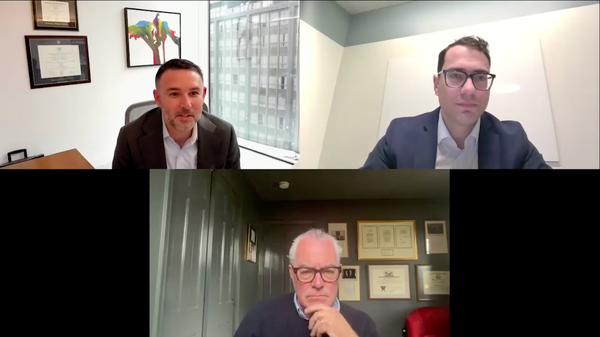
A panel discussion followed with Aden Hizkias, policy manager at the Chamber of Progress, and Mignonne Hollis, executive director of the Arizona Regional Economic Development Foundation. Hizkias said LEO networks are giving small firms in low-density areas a more dependable option when terrestrial service fails, particularly for payment systems, remote work and cloud-based tools.
She said many small businesses that have fiber at a headquarters or storefront still lose connectivity when technicians or field workers operate in locations with no terrestrial signal, and LEO links can fill those gaps in agriculture and other mobile settings.
Hollis said affordability remains the central barrier for rural households and small businesses and warned that meaningful adoption will depend on sustainable pricing and digital-skills support. She said rural regions still face wide gaps in service quality and access to capital, making it essential that LEO networks lower costs rather than mirror earlier divides in broadband deployment.





Member discussion