
Colorado Democrats Demand FCC Block Nexstar-TEGNA Merger
Sen. Michael Bennet (D-Colo.) and Rep. Joe Neguse (D-Colo.) said the $6.2 billion TV station deal would violate federal ownership limits and hurt Rocky Mountain State consumers.

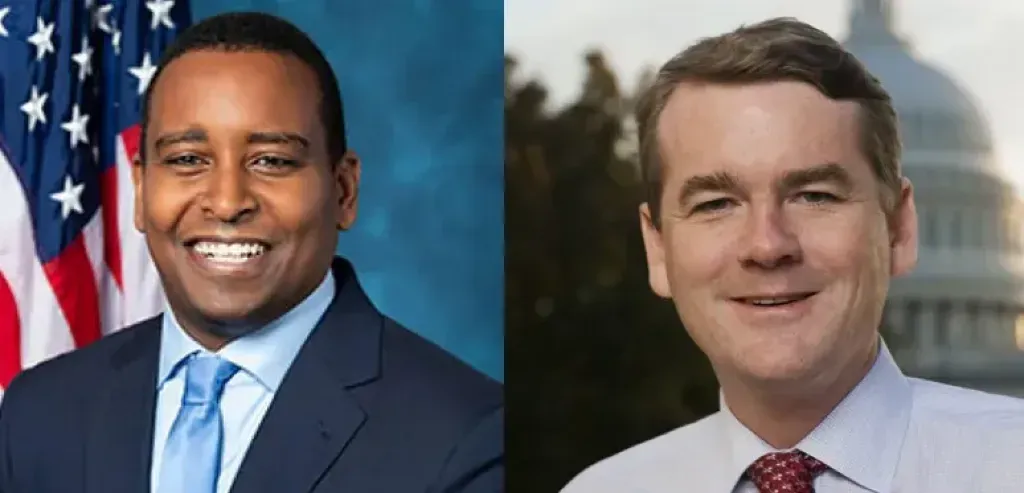
Merger: Sen. Michael Bennet (D-Colo.) and Rep. Joe Neguse (D-Colo.) asked the FCC to reject Nexstar Media Group’s proposed $6.2 billion acquisition of TEGNA, arguing it would violate federal ownership limits and harm local viewers in Colorado. In an Oct. 23 letter to the agency, the Colorado Democrats said the deal would breach the national broadcast ownership cap that bars a single company from controlling stations reaching more than 39% of U.S. TV households. “If approved, this deal would violate the national broadcast ownership cap and could have devastating consequences for our home state of Colorado. That’s why we implore your agency to put Americans first and reject this deal that will ultimately put corporate profit above the needs of our communities,” Bennet and Neguse said in their two-page letter to FCC Chairman Brendan Carr. Nexstar and TEGNA announced the transaction on Aug. 19, 2025. It has not been submitted to the FCC for review. Nexstar CEO Perry Sook has said repeatedly that TV stations needed to combine to have a chance to compete against Big Tech — which is unconstrained by a 39% audience reach cap — and avoid the advent of “news delivered by a chatbot.” (More after paywall.)


Member discussion