
CPUC Aiming to Resolve Verizon-Frontier Merger Ahead of Key Deadline
Justice Department approval for the deal will expire Feb. 13, 2026.

Jake Neenan
WASHINGTON, Sept. 27, 2025 – California’s utility regulator thinks it can decide on whether to approve Verizon’s $20 billion merger with Frontier before a major deadline the carrier is eager not to miss.
The Department of Justice cleared the deal on Feb. 13, 2025, but that approval only lasts for one year. If the deal were still pending after that, the agency would have to conduct its review again and delay the process further.
Because of that, the companies have been pushing the California Public Utilities Commission, which also has to approve the transaction, to do so at its Dec. 18 meeting. They’ve also said Frontier doesn’t have the cash to maintain its fiber buildout pace after this year.
The CPUC didn’t promise it would do that, but said it could meet the Feb. 13 deadline. Verizon and Frontier had been asking the agency to change its schedule to accommodate a faster approval.
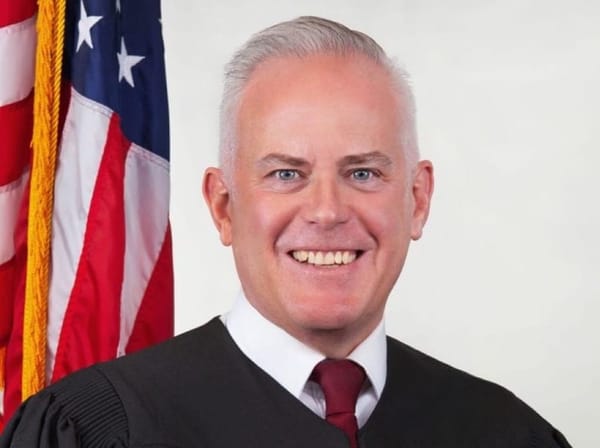
“We acknowledge the concern of [Verizon and Frontier] and the parties that support their Motion that this proceeding should be resolved timely and in advance of the February 13, 2026 deadline for DOJ clearance,” Administrative Law Judge Elizabeth Fox said in a Sept. 19 order. “Resolution of the proceeding by this deadline can be achieved without modifications to the proceeding schedule, particularly if the briefing and settlement schedule are combined into a single set of pleadings as proposed” by the companies.
Fox left intact a CPUC decision date sometime in the first quarter of 2026. That’s when the companies have been planning to close the deal.
Despite not getting its Dec. 18 decision date, Verizon was pleased.
“We thank the Commission for affirming that this proceeding can be resolved in a timely manner and in advance of the federal Department of Justice deadline,” Rudy Reyes, regional vice president and deputy general counsel for Verizon, said in a statement.
California has given the deal the most friction
Verizon executives have remained confident that the deal will close on time, but California has given the deal the most friction.
In exchange for Federal Communications Commission approval, Verizon committed to ending several diversity initiatives, including setting goals for spending with minority-owned suppliers. But California requires large telecoms like Verizon to submit annual plans for increasing that spending, and the CPUC wasn’t happy when Verizon claimed it could satisfy both agencies simultaneously.
In a recent meeting with CPUC staff, “Verizon stated that it is willing to consider and make additional commitments to address ongoing concerns of the Commission regarding its ability to meet requirements outlined in General Order 156,” the rule requiring plans to increase diverse spending.
The company has already reached three major settlements in an effort to satisfy parties concerned about the deal. As part of those, it would offer $20 broadband plans, invest $500 million in California small businesses and $40 million toward digital equity programs, and agree to minimum deployment milestones for its fiber and wireless networks. It would also hire 600 new union employees and commit to “no involuntary layoffs” for four years.
One of the agreements was with the CPUC’s Public Advocates Office, but that didn’t address the agency’s concerns about the diversity commitments.
The Utility Reform Network and the Center for Accessible Technology still oppose the deal, and are asking the CPUC to deny it.
In another meeting with CPUC staff this month, the Center for Accessible Technology said it “discussed the DEI issues implicated by the proposed merger and expressed our disappointment with Verizon’s acquiescence to unreasonable and regressive demands from the FCC, despite Verizon’s well-established ability to oppose regulatory action with which it disagrees.”




Member discussion