
CTIA, Chamber of Commerce Want FCC Forfeiture Process Struck Down
The Supreme Court will deliberate Jan. 9 on whether to weigh in on the issue.

Jake Neenan

WASHINGTON, Dec. 15, 2025 – Major industry groups are joining Verizon and AT&T in asking the Supreme Court to find the Federal Communications Commission’s process for issuing fines is unconstitutional.
The FCC has also asked the high court to resolve a 2-1 circuit court split on the issue, but naturally is seeking to have its chief enforcement mechanism upheld. Justices haven’t yet agreed to take the case, but the Supreme Court typically weighs in when circuit courts issue conflicting opinions.
The two courts that upheld the FCC’s forfeiture process essentially held Congress could vest “jury-free, adjudicatory power with federal agencies as long as those agencies then hold targets in years-long purgatory with what ultimately has turned out to be an illusory opportunity for a jury trial at the end of the tunnel,” argued CTIA, the wireless industry trade group, in a Friday brief. “That cannot be the law.”
The agency’s process does allow fined entities a jury trial, provided they refuse to pay and wait for the Justice Department to bring a collection action. In practice companies almost always pay the fine in exchange for the ability to appeal the forfeiture order in federal court.
After being fined last year for, in the FCC’s judgement, not adequately vetting third parties before selling them customer location data, each of the three major mobile carriers appealed on the grounds that they should have the opportunity for a jury trial before paying any fines.
SEC v. Jarkesy
They cited a recent Supreme Court case, SEC v. Jarkesy, which came down after the fines were issued and held that the Securities and Exchange Commission violated the Constitution by not providing a jury trial before collecting civil fines.
The U.S. Chamber of Commerce also submitted a brief to the Supreme Court, arguing that waiting for a DOJ suit “does not substitute for the initial jury trial or make up for the immediate legal, economic, and reputational harm from the forfeiture order.”
In the various cases, the FCC has argued its process is valid because companies are not actually forced to pay anything unless the DOJ brings a collection action and prevails. The agency argued companies had simply waived their right to a jury trial in this case because they wanted to appeal the legality of the fines.
The FCC also disputed that reputational harm was a meaningful barrier to companies exercising the right to a jury trial, and maintained it didn’t hold unpaid fines against companies in future proceedings.
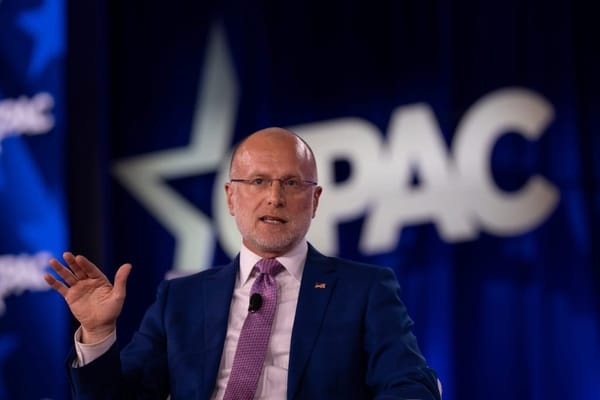
FCC Chairman Brendan Carr, a commissioner at the time, dissented from the fines when they came down, calling the $200 million in collective penalties unfair. But under his leadership the agency has been defending its ability to issue the fines.
“The FCC has described civil penalties as among the agency’s ‘most important regulatory remedies’; as ‘a top priority’; and as ‘an area of bipartisan agreement,’” the agency wrote to the Supreme Court in October. “The Commission relies on such penalties to enforce a variety of statutory and regulatory provisions, including provisions that protect consumer privacy, prohibit unlicensed broadcasting, and restrict robocalls.”
'No alternative avenue for seeking monetary penalties'
The agency said the Fifth Circuit’s holding that its “enforcement procedure is unconstitutional leaves the FCC with no alternative avenue for seeking monetary penalties, seriously impairing the agency’s ability to enforce” its rules.
CTIA and the Chamber of Commerce had previously asked the FCC to overhaul its enforcement process after Jerkesy came down.
After the carriers appealed, the Second Circuit sided against Verizon and the D.C. Circuit sided against T-Mobile, finding the companies had an adequate opportunity for a trial before being forced to pay but had waived their right. The Fifth Circuit sided with AT&T and said the precedent set by Jarkesy rendered the FCC’s process for issuing fines unconstitutional.
The FCC appealed the Fifth Circuit decision to the Supreme Court in October, followed by Verizon appealing the Second Circuit case in November. AT&T said it agreed with the agency that justices should weigh in, but wanted them to side with the carriers.
The parties have asked the court to combine the cases. Justices are scheduled to discuss whether to take the FCC’s appeal at their Jan. 9 conference.
“There is now uncertainty over the legal status of Commission forfeiture orders imposing massive civil penalties for common-law type claims,” AT&T wrote last week. “Only this Court’s definitive resolution of the question presented can ensure nationwide uniformity for all affected.”


Member discussion