
Debra Berlyn: Modernizing Phone Network Allows Older Adults to Hold On
Providers are modernizing phone networks from copper to broadband, allowing older adults to keep cherished home numbers with better service.

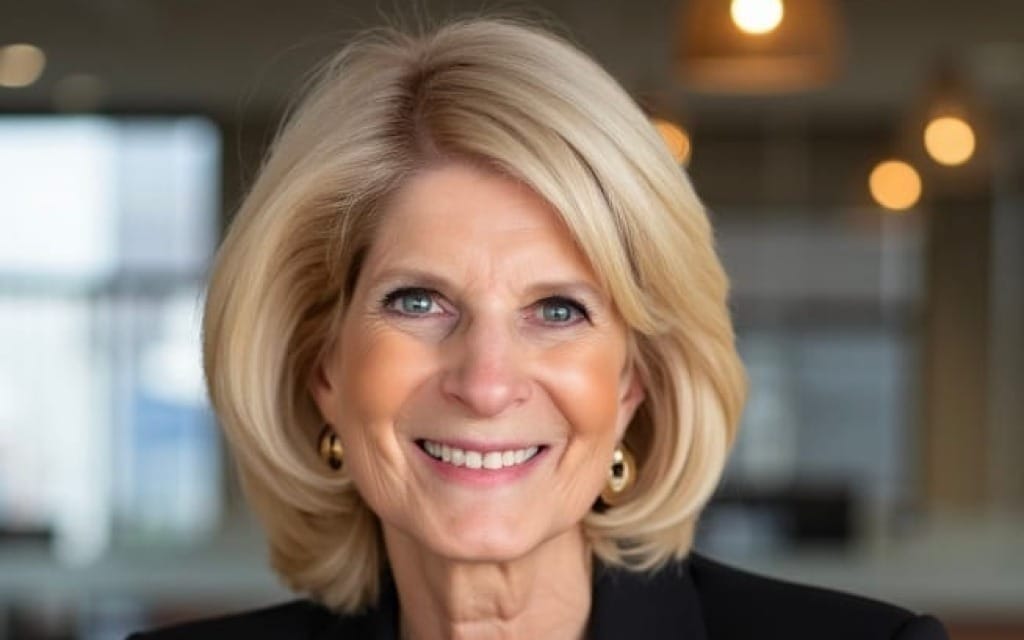
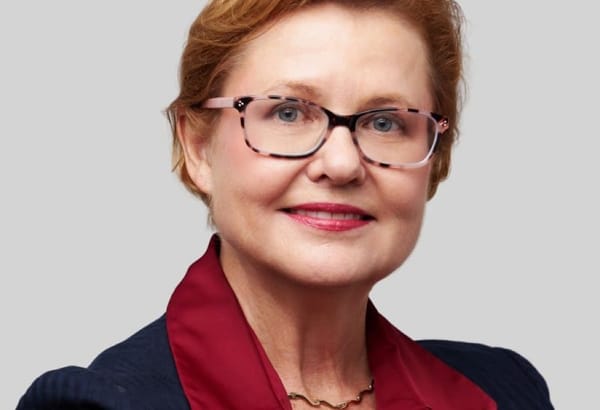
Debra Berlyn
Moving the landline phone network to broadband, while a significant shift for some older adults, comes with a host of benefits that were highlighted in an article I wrote for the National Council on Aging (NCOA) last year, Moving off the Landline Phone Network for Broadband Access: What Older Adults Need to Know.
Now, important steps to modernizing our telephone network’s transition from outdated copper wire to broadband are happening. The Federal Communications Commission is considering a Notice of Proposed Rulemaking (NPRM) to clear the way for faster network upgrades by accelerating the process of transitioning all legacy voice service customers to modernized services.
The NPRM states that, The Commission supports the transition to modern, all-IP networks which can deliver a plethora of advanced communications services to consumers. This proceeding will also diligently safeguard consumers’ access to critical emergency services and protect public safety.
The efforts to ease the regulatory path put more wind under the sails of providers that have already been working to move away from copper and upgrade their networks. Over the years, providers like AT&T, Verizon and Ziply have retired their copper networks in areas around the country. In addition, earlier this year, as momentum around upgrading networks has increased, more providers like Consolidated Communications and Lumen have filed with the FCC to begin shifting their services from copper to better technologies.
The upgrade for consumers to receive voice calls using internet software – and the many benefits that come with this shift for older adults – has been an evolution that has been underway for many years. AARP has led the way in informing its older adult members regarding the numerous benefits that will result when moving off legacy networks.
First and foremost are the cost savings of shifting voice away from the copper network (copper wire customers are paying increasingly higher costs for voice). The quality of voice service provided over an upgraded fiber network is also so much better. Other tangible benefits of shifting off the legacy network include the opportunity for customers to receive several advanced telecommunications service features such as voicemail to email boxes, a smartphone app to complete calls using your home phone, and other upgrades.
These are great benefits, and well-worth the wait for the network modernization updates. However, there’s another plus to this transition that is hugely important to so many older adults staying aging in place: Retaining your longtime home telephone number. Now thanks to new technologies offered by Internet Service Providers, such as AT&T Phone – Advanced and wireless, customers can keep their same phone number, as well as get additional advanced features, and stay connected to the people that matter most. While technologies may evolve, it’s important that the phone numbers that hold these memories don’t get lost in the process.
Today, a significant number of older adults who have aged in place have lived in their homes for quite a long time – and they don’t want to leave. According to a 2024 AARP survey, 75% of those 50 and older want to stay in their home as they age. Continuing to live in your longtime community home will often mean that you’ve had one distinct telephone number associated with your residence. It’s a telephone number that links to memories over so many years, memories that span many decades. Our longtime residential telephone number is now one of the elements of strong identification that we have with a home, and it’s something we don’t want to have change.
It’s amazing how we can grow-up and perhaps leave our homes but still remember the important telephone numbers of our early years. I can still remember it today, after so many years since it was ever necessary to need it: my landline telephone number for my childhood home.
Older adults know this is true: you never forget the telephone number from your childhood home. It’s a distinct memory of childhood, and there’s actually a scientific reason for why we are able to hold on to this information even as other details and memories slip away as we age. We remember phone numbers as we age because our brains store them in long-term semantic memory, separate from episodic memory of specific events. Semantic memory is a type of long-term memory for facts and concepts, like a phone number, rather than specific personal events.
Recalling these telephone numbers and sharing the important stories we associate with them is one interesting aspect to a campaign from AT&T, one of several telecommunications providers working to help their customers with a smooth network transition. Every number has a story, and as network modernization proceeds, the telephone system evolves, but our communications with each other certainly doesn’t slow down. As part of this campaign, AT&T asked to hear their customers’ home phone number stories. You can explore some of those home phone number memories by visiting: Every Number Tells a Story - AT&T Connects.
Telephone numbers are powerful connections in our lives. Thankfully, the opportunity to retain them will continue throughout the modernization of the telephone network, because every number does tell a great story.
Debra Berlyn is the Executive Director of the Project to Get Older Adults onLine (Project GOAL), which works to promote the adoption of broadband for older adults, and to advance technology applications for the community. She is also president of Consumer Policy Solutions, a firm focused on developing progressive policies for consumers in a competitive and innovative marketplace. Ms. Berlyn currently serves on the Federal Communication Commission’s Consumer Protection and Accessibility Advisory Committee and serves on the board of the National Consumers League and is a board member and senior fellow with the Future of Privacy Forum. This Expert Opinion is exclusive to Broadband Breakfast.
Broadband Breakfast accepts commentary from informed observers of the broadband scene. Please send pieces to commentary@breakfast.media. The views expressed in Expert Opinion pieces do not necessarily reflect the views of Broadband Breakfast and Breakfast Media LLC.




Member discussion