
FCC Adopts New Satellite Licensing Reforms
SpaceX, Kuiper pushed for more flexibility; CTIA warned of 5G interference risks

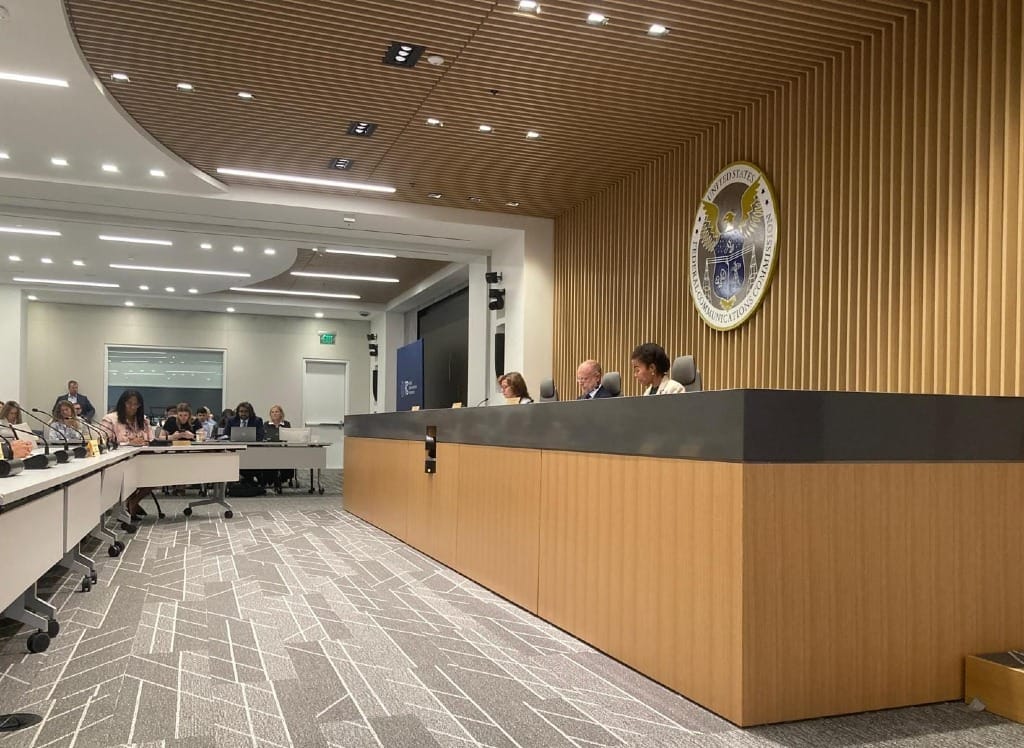
WASHINGTON, August 7, 2025 – The Federal Communications Commission voted unanimously Thursday to accelerate the licensing process for satellites and earth stations, citing the need to keep pace with the explosive growth of the space economy.
Approved 3-0, the bipartisan reforms will expand flexibility for satellite operators like Starlink, and support emerging ground-station-as-a-service business models – where a neutral host establishes connectivity to multiple satellite systems in space.
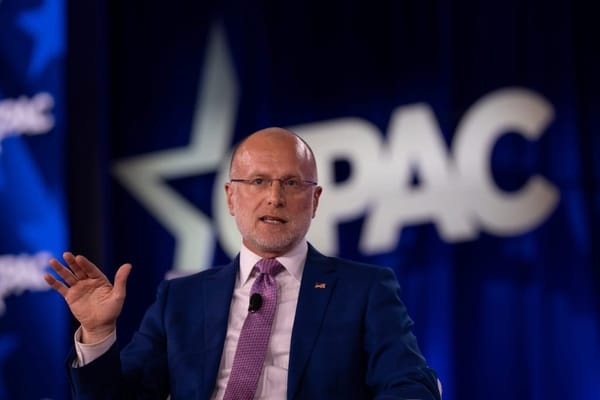
Chairman Brendan Carr framed the vote as part of the agency’s broader “Build America” agenda. “The global value for the space economy just passed $600 billion,” Carr said. “Ensuring that American companies secure and extend leadership positions in this sector means more jobs and economic opportunity for the country.”

Carr noted the Space Bureau has already cut the backlog of pending applications nearly in half. “Today’s action takes the next step,” he said. “Often, paperwork piles up because our rules ask for too many unnecessary filings.”
Among other changes, the new rules allow earth station operators to obtain a “baseline license” without first identifying a specific satellite point of communication. The rules would permit ground station operators to now add or remove satellites from their licenses through a simple notification to the FCC, instead of having to file a new application for each change.
The order also expands the list of license modifications that don’t require prior FCC approval, adopts a 30-day shot clock for most earth station renewals, and eliminates the need for special temporary authority requests for certain routine or low-risk geostationary orbit satellite maneuvers.
The rulemaking would eliminates rules, such as the requirement for operators to print and retain paper copies of applications, and to shift all licensing applications to a “permit-but-disclose” ex parte status, enhancing transparency.
“The Order we adopt today is our response to keep policy up to speed with the fast pace of innovation and deployment in the space sector,” said Democratic Commissioner Anna Gomez.
Republican Commissioner Olivia Trusty added that the reforms were key to “enabling the next generation of space services and applications to thrive.”
Industry reactions split
Satellite and wireless providers continued lobbying for changes to the draft rules up until Friday, August 1.
SpaceX strongly supported the FCC's draft order but pushed for changes to go even further in enabling satellite system flexibility, especially for non-geostationary satellite operators.
CTIA, representing wireless carriers like Verizon and AT&T, took a more cautious tone.
“Permissionless innovation should be measured,” the group wrote, urging the FCC not to “undermine the careful balance” between satellite and terrestrial services.
CTIA called for the FCC to exclude high-band spectrum shared with terrestrial 5G (e.g., 28 GHz) from the new “baseline licensing” process. The group worried this could lead to “spectrum warehousing” and uncoordinated deployments that interfere with 5G rollout. CTIA also criticized the vagueness of the revised rules for earth station equipment replacement.
Kuiper, Amazon’s satellite broadband division, rebutted CTIA’s concerns in a filing to the FCC, calling them speculative and counterproductive. The company said excluding shared bands would impose unnecessary costs, delay deployments, and undermine the very streamlining the FCC aimed to achieve.
The vote builds on a 2023 order in the same docket that began under former Chairwoman Jessica Rosenworcel (D) to overhaul the FCC’s Part 25 rules on satellite and earth station licensing.







Member discussion