FCC Approves $34.5 Billion Charter-Cox Merger

The combined company would have about 36 million broadband subs.

FCC Approves $34.5 Billion Charter-Cox Merger
Photo of Charter Communications headquarters in Stamford, Conn., from the company

WASHINGTON, Feb. 27, 2026 – The Federal Communications Commission approved on Friday Charter Communications' $34.5 billion purchase of Cox Communications. 

The cable merger would create the largest broadband provider in the country, with about 36 million subscribers and about 70 million passings by company estimates.

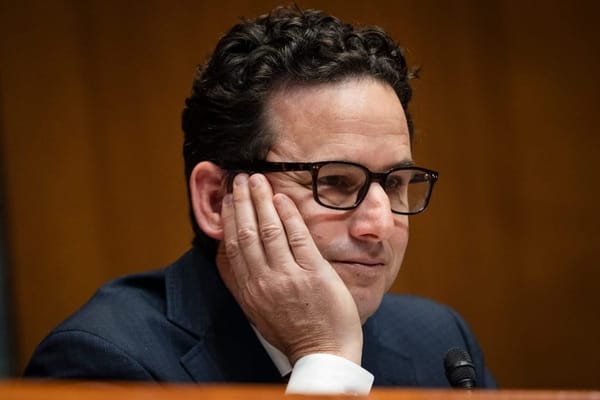
“By approving this deal, the FCC ensures big wins for Americans,” FCC Chairman Brendan Carr said in a statement. “It means that modern, high-speed networks will get built out in more communities across rural America. And it means that customers will get access to lower priced plans.”
Carr also touted commitments Charter made to onshore jobs and end diversity initiatives, which the company outlined in letters posted Friday shortly before the deal was approved. Carr has made clear anti-DEI commitments are prerequisites for getting deals approved by the agency.

Cable companies have been buffeted by subscriber losses in recent quarters, as fixed wireless and fiber ISPs continue to take share. The agency wrote in its order that the combined entity would be a stronger competitor in that environment, as cost savings from the combination would enable the combined company to offer broadband at lower price points.

Charter also committed to upgrade Cox’s network and provide faster speeds quicker than Cox would have on its own, which the FCC took as “firm and definite.”

Cox’s roughly 12.3 million-location footprint will provide more runway for Charter’s mobile service, which is growing and is a key pillar of the company’s effort to stabilize subscriber losses, plus its partnerships with video content providers, the agency wrote.

The FCC said it was not persuaded by consumer advocates that had petitioned to block the deal. They had argued, among other things, that the resulting company would be so large it would decrease broadband competition by entering a kind of equilibrium with fellow cable giant Comcast.

For the agency, an environment in which customers are flocking away from cable companies was enough to assuage those concerns. 

“Charter and other cable companies will continue to face competitive pressure from the broadband providers against whom they compete directly, such as fiber companies, fixed wireless providers, and satellite broadband providers,” the agency wrote, “and we believe that competition will have a significantly greater impact on their pricing decisions than the possible increased ability to benchmark due to the loss of a single cable provider (Cox) in a different territory.”

Ziply and WISPA had each raised concerns in the docket about Charter having denied them or their members wholesale connectivity service. The agency said the concerns weren’t specific to the transaction and didn’t tack on any additional conditions.

“The FCC approved the largest cable merger in nearly a decade and did not require Charter to do anything it wasn’t already planning to do,” John Bergmayer, legal director at Public Knowledge, which had petitioned to deny the deal, said in a statement. “When an agency treats every concern as ‘not transaction-specific’ and every voluntary promise as ‘firm and definite,’ merger review becomes a formality. Consumers, as always, will bear the costs of reduced competition.”

The deal still needs state-level regulatory approvals, including in California. The companies told the state’s telecom regulator they want a decision in July. Approval from the Justice Department, secured last year, expires in September.

Member discussion

Popular Tags