
FCC Asked to Strike Down Broadband Exclusivity Deal
Intrepid says five year right-of-way lockout violates federal and state law.

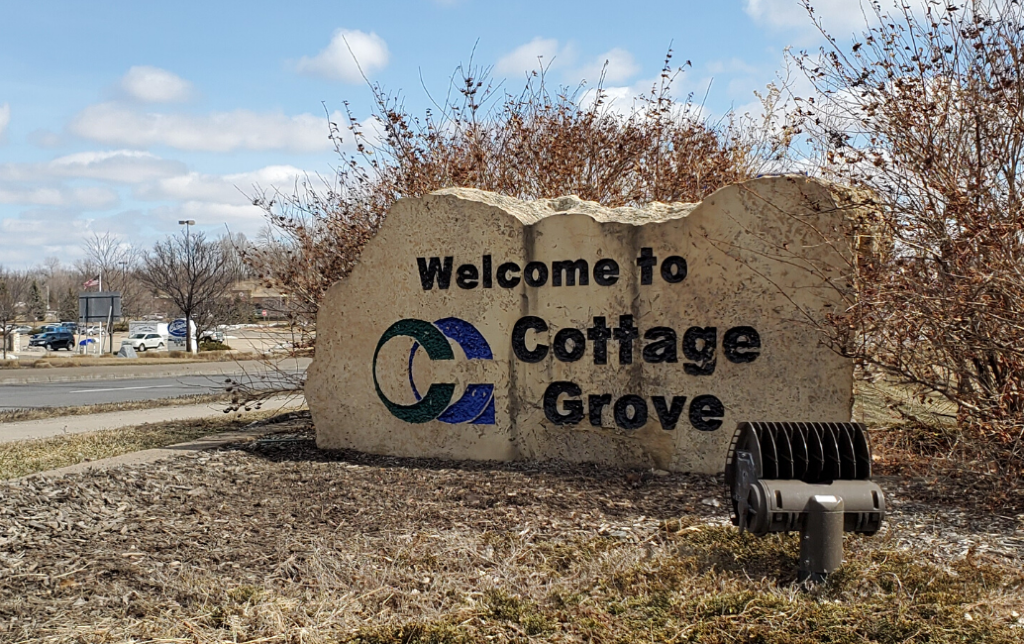
WASHINGTON, August 21, 2025 – A broadband provider has asked the Federal Communications Commission to strike down an exclusive agreement in Cottage Grove, Minnesota, that blocks new fiber construction until at least 2030.
Intrepid, a subsidiary of Brookfield Infrastructure, filed its petition August 6 asking the FCC to preempt Cottage Grove from denying it right-of-way access, arguing the exclusivity “materially inhibits” competition.
In March 2025, the city issued a request for proposals to partner with one or more broadband provider(s), stating that once an agreement was reached, it would “not issue future right-of-way permits for broadband projects for at least five years.” In May, Cottage Grove announced it had partnered with Gateway Fiber for the fiber build.

Intrepid said it had worked with the city since February 2024 to design its network and filed 11 permit applications, but only three were approved. The rest, it argued, were denied solely because of the exclusivity agreement.
“The city is attempting unlawfully to deny Intrepid, a licensed telecommunications operator, access to the public right-of-way,” the petition states.
The company contends the arrangement violates Section 253(a) of the Communications Act, which bars any state or local requirement that “prohibit[s] or [has] the effect of prohibiting” an entity from providing telecommunications services. Though the provision predates the broadband era, the FCC has applied it to fiber and IP-based networks when offered as telecommunications services.
Cottage Grove has countered that Section 253 does not apply to broadband, arguing that “it applies to wire or radio communications,” and that internet access falls under a different section of federal law.
Intrepid stressed it holds a Minnesota Public Utilities Commission certificate authorizing it to provide telecommunications services, a status that should guarantee nondiscriminatory right-of-way access.
To support its case, Intrepid pointed to FCC rulings in California Payphone (1997), the Minnesota Order (1999) and Sandwich Isles (2017), each striking down exclusive right-of-way arrangements. The company also cited Minnesota statutes prohibiting local governments from discriminating among telecommunications right-of-way users.
The FCC’s Wireline Competition Bureau opened Docket No. 25-248 on August 13. Comments are due September 12, with reply comments due October 14.




Member discussion