
FCC Asking Supreme Court to Overturn Fifth Circuit’s AT&T Fine Ruling
The agency said the decision would leave it unable to issue fines.

Jake Neenan
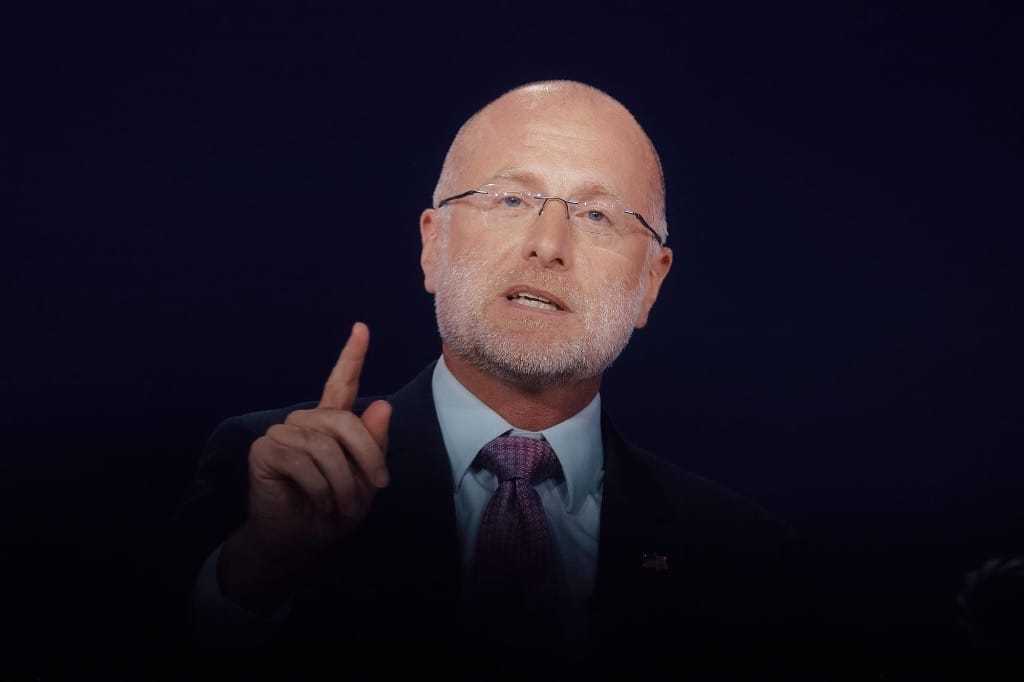
WASHINGTON, Oct. 9, 2025 – The Federal Communications Commission is asking the Supreme Court to reverse a recent decision that tossed out a $57 million fine against AT&T, saying the precedent would leave the agency unable to enforce many of its rules.
“The Fifth Circuit’s holding that the Section 504 enforcement procedure is unconstitutional leaves the FCC with no alternative avenue for seeking monetary penalties, seriously impairing the agency’s ability to enforce” the Communications Act, the FCC and Justice Department attorneys wrote in a petition filed Friday.
The Fifth Circuit held in April that the FCC’s process for issuing fines violated the Seventh Amendment right to a jury trial, saying it was guided by recent Supreme Court precedent. Justices said in June of last year in SEC v Jarkesy that the Securities and Exchange Commission couldn’t levy civil penalties without a jury trial.
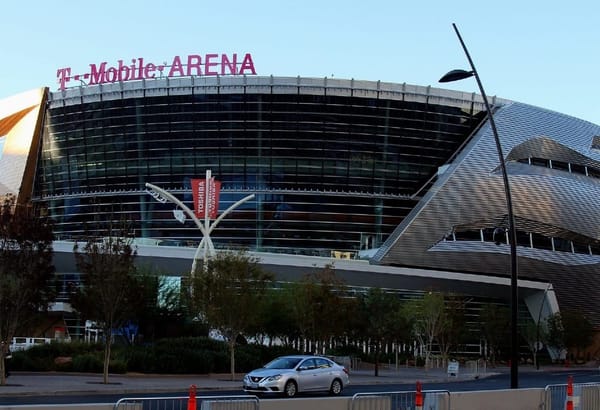
The agency had fined all three major carriers for the same practice, but Verizon and T-Mobile’s fines were later upheld by other appeals courts who found the forfeiture process passed legal muster. Experts said the split made it likely one of the parties would ask the Supreme Court to resolve the issue.
The FCC’s process for collecting fines does allow companies a jury trial, but only if they refuse to pay and the Justice Department starts a collection action. The Fifth Circuit said that wasn’t enough in part because the DOJ isn’t on a deadline to bring its case and might not do so immediately, meanwhile the company has the unpaid fine held against it by the agency and the public.
Agency said reputational harm not a meaningful barrier
In its petition, the agency denied that it holds unpaid fines against companies in its decisionmaking and said reputational harm wasn’t a meaningful barrier to companies exercising their jury trial rights.
“Harm to reputation is not a deprivation of life, liberty, or property within the meaning of the Due Process Clause,” the agency wrote. “A federal agency therefore need not provide any process at all, much less a jury trial in an Article III court, before taking action that could affect someone’s reputation.”
The case is significant for the FCC, as fines are one of its main enforcement mechanisms. The agency noted it can require the forfeiture of equipment or suspend licenses, but said it only uses those more “draconian” punishments in more severe cases.
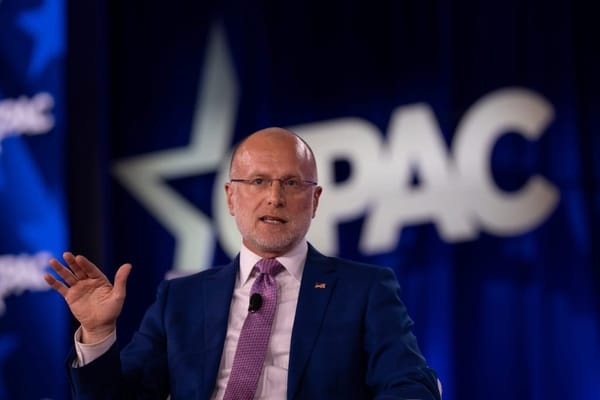
FCC Chairman Brendan Carr, a commission at the time, dissented from the fines – before Jarkesy came down – and has said the agency should reform its enforcement process in light of Jarkesy, but has been defending the agency’s ability to levy fines.
“The FCC has described civil penalties as among the agency’s ‘most important regulatory remedies’; as ‘a top priority’; and as ‘an area of bipartisan agreement,’” the agency wrote. “The Commission relies on such penalties to enforce a variety of statutory and regulatory provisions, including provisions that protect consumer privacy, prohibit unlicensed broadcasting, and restrict robocalls.”
The fines, which collectively total about $200 million, were issued in April 2024 after the FCC found carriers sold customer location data without properly vetting the buyers. Verizon and T-Mobile also appealed their fines, but the D.C. Circuit and Second Circuit both sided with the FCC in those cases.




Member discussion