FCC, Elder Justice Council Partner to Protect Americans From Imposter Scams
The ‘Never, Ever’ campaign is designed to bring awareness to government and business imposter scams.

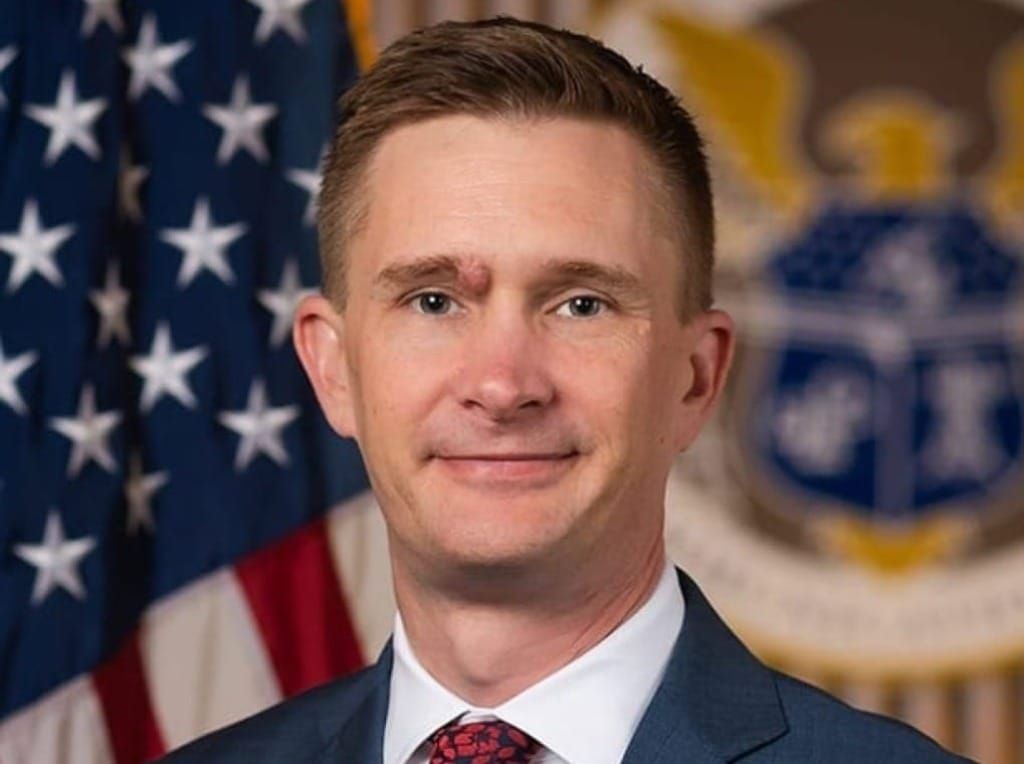
WASHINGTON, June 17, 2026 – The Federal Communications Commission is partnering with the Department of Health and Human Services’ Elder Justice Council to launch the “Never, Ever” campaign, bringing awareness to government and business imposter scams.
The campaign is designed to educate and protect seniors by educating them about scam calls and what FCC employees will never do.
Scam callers will often target older Americans, pretending to be government agencies or companies to pressure them into handing over personal information, money or account access.
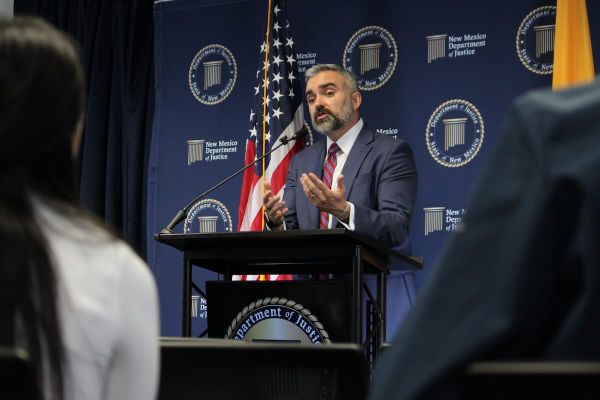
“Scammers have impersonated the FCC and sometimes they use the names of real FCC employees,” Ed Bartholme, chief of the Consumer and Governmental Affairs Bureau, wrote Tuesday in a release. “The FCC will ‘Never, Ever’ call or text to ask for payment of any kind over the phone—especially cash apps, crypto currency, gift cards, or store credit.”
The commission will also never threaten to suspend government benefits, demand payment through untraceable methods, or urge someone to move their money, the release stated.
Last year, Americans were swindled out of $3.5 billion by imposter scams, many starting with a phone call. The FCC says that stopping illegal robocalls is a top priority for the commission.
Under FCC Chairman Brendan Carr, the commission has been taking action against scammers impersonating government agencies, banks, internet service providers and major retailers.
In April, the commission pursued new rules aimed at strengthening protections against illegal robocalls and scam campaigns. The FCC continued that work in May by considering additional measures targeting upstream providers that play a role in the call chain.
The proposals are part of a broader strategy to address fraud across the telecommunications ecosystem by targeting abuse “at every single portion of the life cycle of a call,” as Carr has said.
Last week, the FCC’s Enforcement Bureau announced it was removing SK Teleco, a Montana-based voice service provider, from the agency’s Robocall Mitigation Database after the company failed to investigate suspected robocalls. The move effectively cut off the provider’s ability to exchange traffic with other U.S. voice networks.