
FCC Opposed to More USF Briefing at Fifth Circuit
The Supreme Court preserved the broadband subsidy last month.

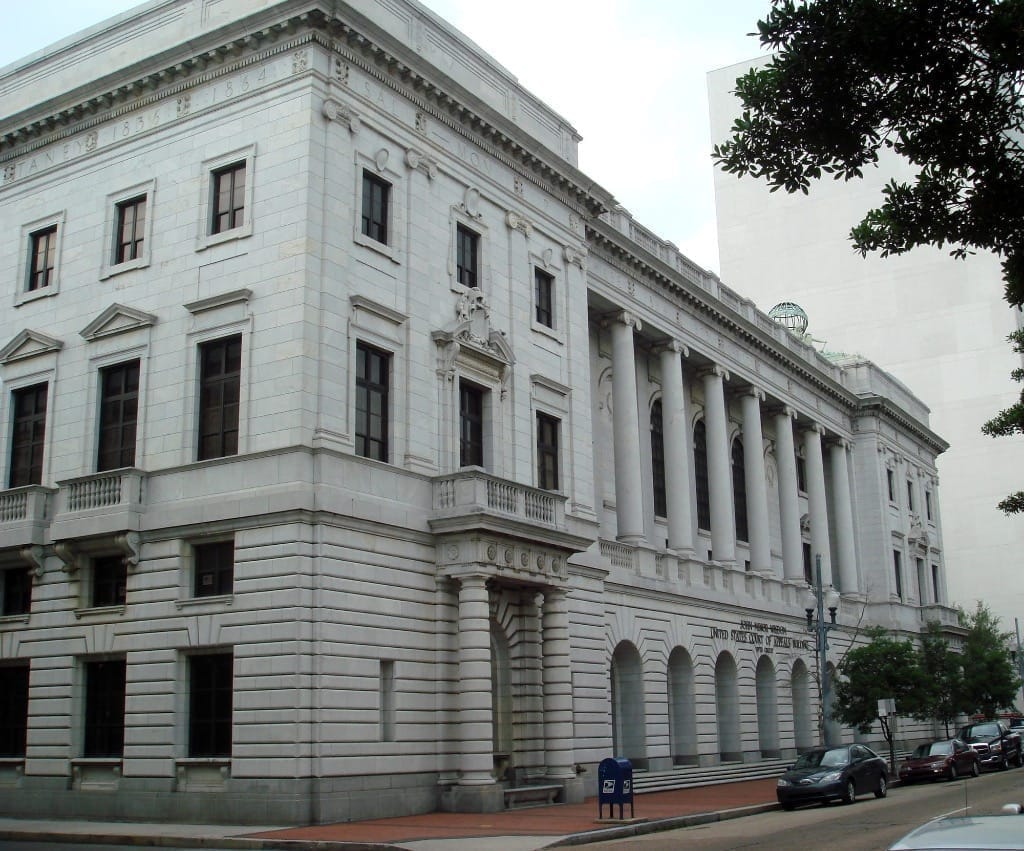
WASHINGTON, July 21, 2025 – The U.S. Supreme Court just defended the constitutionality of the Universal Service Fund, but that does not mean the case is entirely dead.
The U.S. Court of Appeals for the Fifth Circuit should not ask for any additional briefs on the legality of the USF, the Federal Communications Commission told judges. The Supreme Court upheld the roughly $9 billion-per-year program last month, overturning a Fifth Circuit decision from last year.
“Now that the Supreme Court has rejected petitioners’ broad-based attack on the constitutionality of section 254” of the Communications Act, “the only thing left for this Court to do on remand is to deny the petition for review and terminate the case,” the agency wrote in a Thursday filing.

The Supreme Court decision remanded the decision back to the Fifth Circuit for further proceedings. Consumers’ Research, the conservative nonprofit that challenged the fund, had asked the Fifth Circuit earlier this month to solicit extra briefings on whether certain parts of the law standing up the fund were unconstitutional.
Justices found that the law passed muster under the nondelegation doctrine, the idea that Congress can’t hand its legislative power to other entities. The majority opinion didn't address two specific sections because, it said, the challengers did not argue anything specific to those parts of the law.
FCC attorneys told the Fifth Circuit that makes the argument that those sections violate the doctrine off limits as part of the same case.
“Petitioners’ opening brief before the panel did not even cite” the sections at issue, “let alone argue that those particular provisions were unconstitutional,” the FCC wrote. “It is well settled that arguments not raised in an initial brief on appeal are waived.”
The sections are related to the FCC making rules for spending USF dollars on a subset of covered services. The case had centered on the agency’s ability to collect fees from telecom providers to fund the program.
Justice Neil Gorsuch, who wrote the dissenting opinion, said that the sections did not impose a meaningful limit on the FCC’s ability to raise revenue – which the majority found the rest of the law did – and that he did not think they were constitutional.






Member discussion