FCC Sets Upper C-band Auction Schedule
Incumbents told the agency it will cost $4.33 billion to relocate

WASHINGTON, Nov. 13, 2026 – Federal regulators have nailed down the schedule for the first new mobile spectrum auction since 2022.
The Federal Communications Commission’s upper C-band auction will start on April 27, 2027. The agency will sell off 160 megahertz of mid-band spectrum for wireless use.

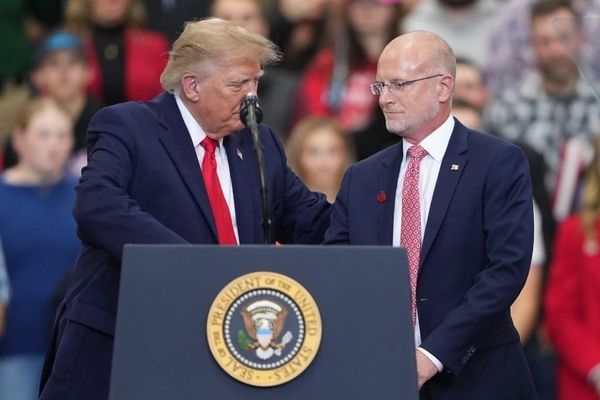
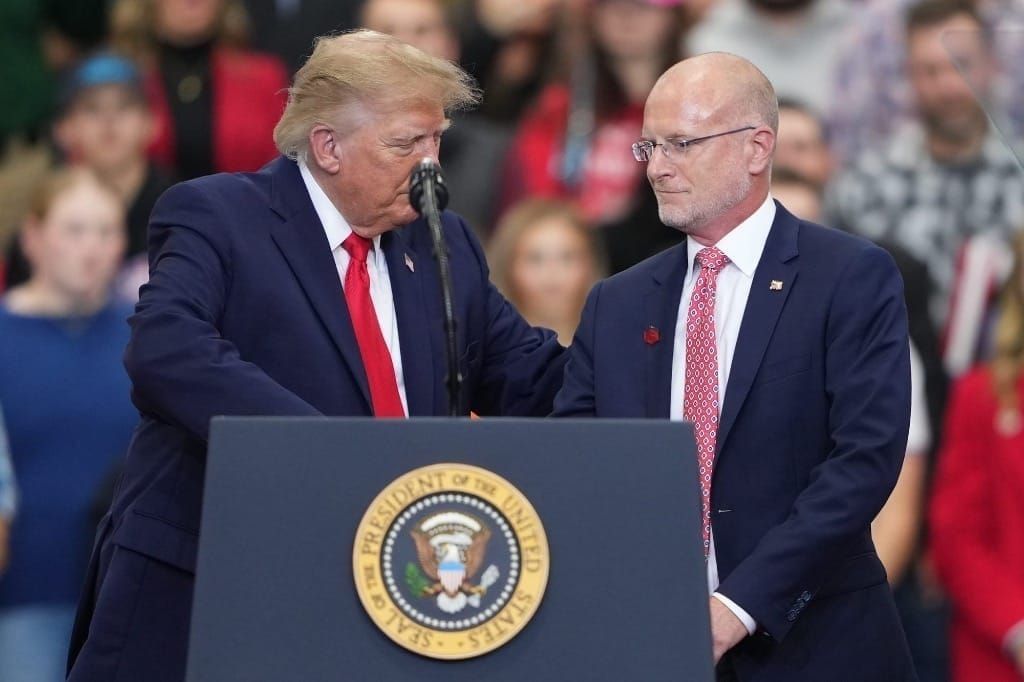
“The FCC is poised to complete one of the most significant spectrum auctions in U.S. history — on time, on budget, and with no surprises,” FCC Chairman Brendan Carr said in a statement.
The spectrum being auctioned, 3.98-4.14 GHz, sits adjacent to the C-band spectrum that was auctioned in 2020, 3.7-3.98 GHz. The new auction will create a contiguous swathe of spectrum that’s easy for carriers to make use of, something Carr has called a “superband.”
The agency adopted its schedule and auction procedures Friday. The agency said in a release that applications to participate will be accepted next year and due by Jan. 20, 2027..
The FCC is aiming for upper C-band spectrum to be lit up in large markets in late 2030.
Carr has said the agency expects the auction to bring in anywhere from $30 billion to $60 billion. The FCC is hoping to hold three additional spectrum auctions in 2027 and 2028, and Carr has said the four could bring in a total of $100 billion.
The agency received a small number of comments on the auction procedures, mostly from national wireless carriers and their trade group. CTIA asked for a shorter quiet period than the agency adopted; that’s the time between applications being due and the first down payments after bidding concludes. Participants can’t talk to each other about their upper C-band plans or bidding strategies during that time.
Verizon had asked the agency to extend the quiet period to matters relating to lower C-band spectrum, which could indirectly convey upper C-band auction plans. The company said it wanted to avoid uncertainty and “inadvertent violations.”
The FCC declined to do so, saying it would make the situation more confusing rather than less. The agency said negotiations around buying and selling lower C-band spectrum might not relate to the upcoming auction, and that it didn't want to “chill those pro-competitive communications.”
Array Digital Infrastructure, which spent $1.3 billion on C-band spectrum in 2020, has been looking for a buyer after selling its wireless operations last year. Verizon is the biggest holder of C-band spectrum, having dropped $45.5 billion at the auction.
Relocation costs
Satellite companies that currently use the upper C-band for video distribution told the FCC it would cost a combined $4.33 billion for them to clear their systems and preserve those services.
Those costs will be reimbursed with auction proceeds.
SES, the largest incumbent, said it would have to build and launch seven satellites using different spectrum, which would take up much of its projected $3.65 billion in relocation costs.
Eutelsat said it would have to build and launch one new satellite, and spend a total of $685 million on relocating. Telesat, the smallest incumbent, said it would likely spend less than $800,000 relocating.
On top of relocation costs, the incumbents are in line for up to $6.3 billion in incentive payments for clearing the spectrum quickly. That will come from auction winners, and much of that will go to SES.
Airlines will also be reimbursed for replacing their radio altimeters, which will be required to avoid interference from mobile carriers. They could receive $5.7 billion collectively.
Tribal window
Some consumer advocacy groups had asked the FCC to reconsider its decision not to hold a Tribal licensing window in which tribes could apply for free licenses covering their lands.
The agency didn’t seem poised to make changes to its rules after Carr’s repeated comments about moving swiftly. Still, CTIA urged the FCC not to change course on the Tribal window Wednesday.
The group said it supported expanding Tribal connectivity, but argued the law requiring the upper C-band auction only allowed licenses to be assigned via bidding at auction.