FCC to Vote On Emergency Connectivity Fund Policies By Mid-May: Rosenworcel
The agency is expected to vote on policies for the new connectivity fund by mid-May, chairwoman says.

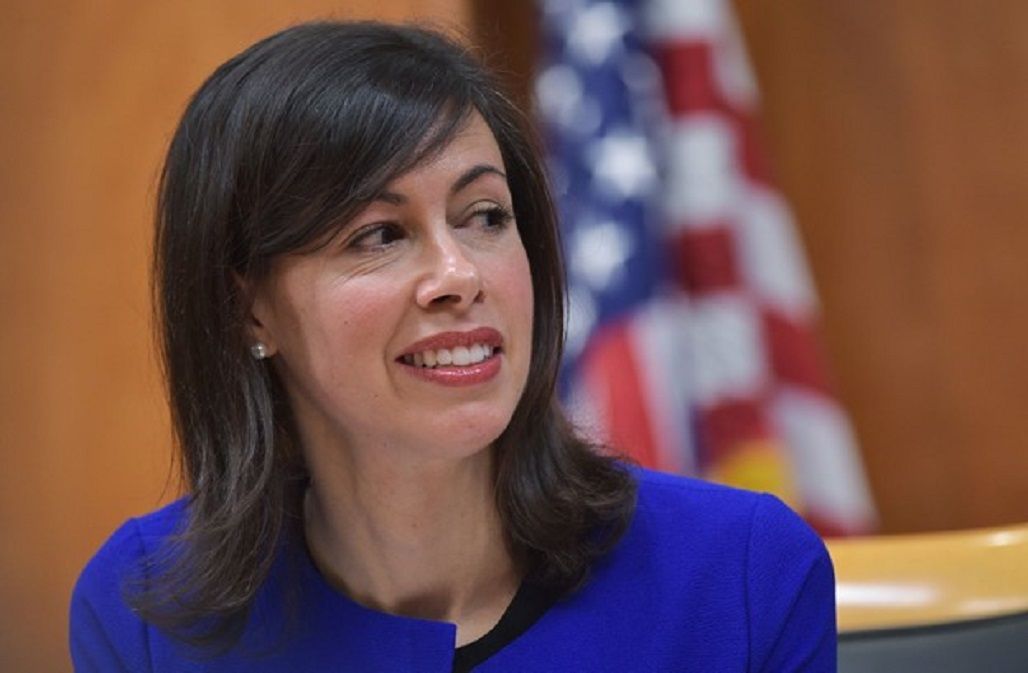
April 14, 2021 – Jessica Rosenworcel, the chairwoman of the Federal Communications Commission, said Tuesday the agency will be voting by mid-May on policies to deliver the Emergency Connectivity Fund, which has received over 9,000 interested institutions through its portal.
The Emergency Connectivity Fund is part of President Joe Biden’s $1.9-trillion American Rescue Plan signed into law in March 2021.
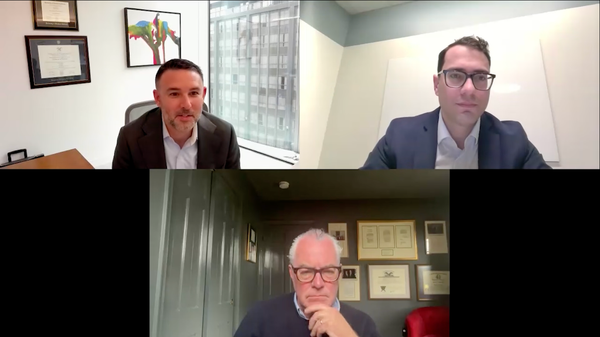
It’s “the nation’s largest ever broadband affordability program,” Rosenworcel said Tuesday on a virtual panel hosted by Allvanza, an advocacy group for Latinxs and underserved communities within the technology, telecommunications and innovation industries; the Multicultural Media Telecom and Internet Council (MMTC); and the Asian Pacific American Advocate group (OCA).
It’s “designed to make sure we get every household in this country connected to high-speed Internet service because this pandemic has proven like nothing before,” she added.
The FCC made a sign-up portal on its website to determine interest in the program, and over 9,000 institutions have signed up to date, Rosenworcel said, adding she hopes the policies for the EBB can address the homework gap by extending internet subsidies normally reserved for schools and libraries to households.
Evelyn Remaley, acting assistant secretary of commerce for communications and information and acting National Telecommunications and Information Administration (NTIA) Administrator, said minority-aimed broadband initiatives have done great work in bringing together providers and companies with minority-serving institutions.
Correction: A previous version of this story said the FCC will vote by mid-May on policies related to the Emergency Broadband Benefit program. In actuality, the agency is voting on policies for the new Emergency Connectivity Fund from Biden’s new American Rescue Plan.
Kaptivate analysis finds some states’ references to rural America dropped 80 to 100 percent
Idaho, Massachusetts, Minnesota, North Carolina, and Utah had their final proposals approved.
The approval follows recent elections where two Democrats won seats on the commission. Those Democrats oppose the plan but don't take office until January.
Lawmakers are considering how best to reform the fund.
Member discussion