FCC Urged to Repeal Remaining Broadcast Ownership Rules

Broadcasters spar over whether the FCC should relax or retain its remaining media ownership limits

FCC Urged to Repeal Remaining Broadcast Ownership Rules
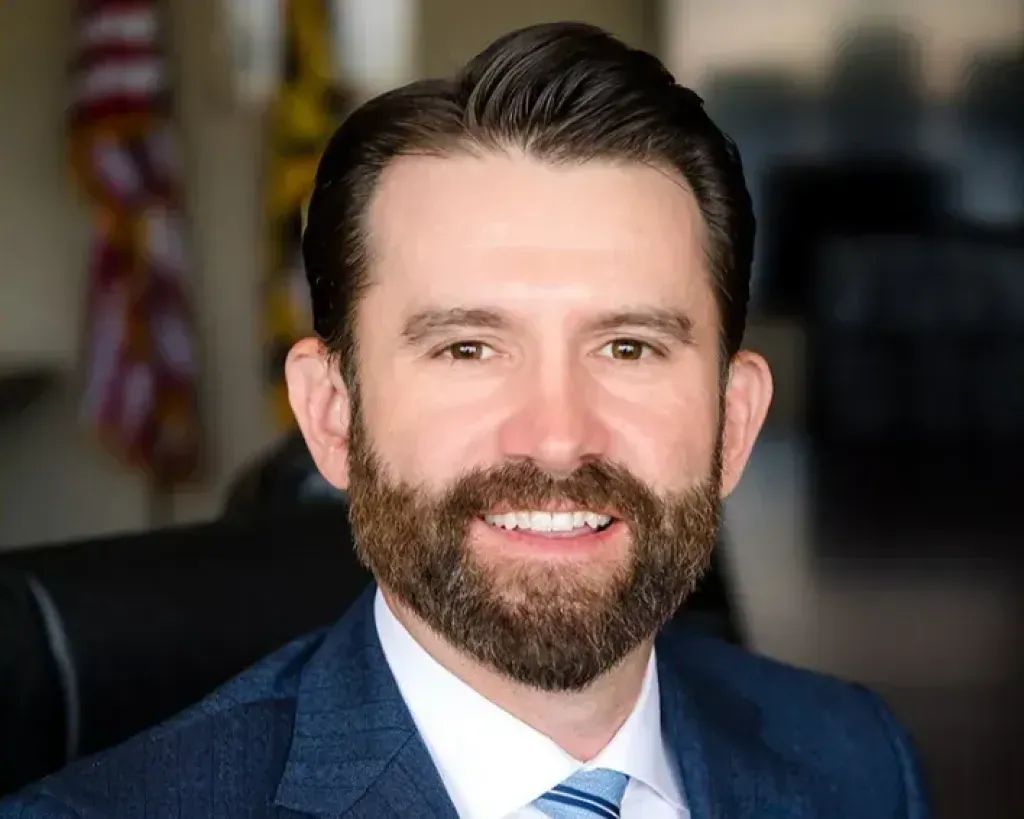
Photo of Chris Ripley, CEO of Sinclair, Inc.

WASHINGTON, Dec. 22, 2025 – Broadcasters petitioned the Federal Communications Commission last week to overturn several of its media ownership rules.
Leading television broadcasters Gray Media, Sinclair, and Nexstar, along with affiliates of the Big Four networks – ABC, CBS, NBC, and Fox – and the National Association of Broadcasters urged the FCC to repeal three key media ownership rules limiting how many radio or television stations a company can own in a single market. 

Other groups, including the National Association of Black Owned Broadcasters and Free Press, pushed to preserve the rules, arguing they are necessary to preserve competition and local media diversity.

The most aggressive calls for change came from the International Center for Law and Economics, which urged the FCC to adopt a “clean slate” approach, calling for the repeal of radio and television ownership caps as well as the Dual Network Rule, which prevents a single company from owning two of the major national networks in a market.

ICLE argued that the rules were legally indefensible, economically outdated, and ill-suited to today’s media landscape dominated by “largely unregulated” digital platforms in comments to the FCC on Thursday.

Other stakeholders voiced mixed positions. ABC, CBS, NBC, and Fox affiliates supported repealing the local television ownership cap but keeping the dual network rule. Fox News favored scrapping the dual network restriction entirely.

Broadcasters such as Gray Media, Sinclair, and Nexstar argued that the local TV ownership cap was obsolete. Today, they say, viewers have hundreds of cable channels, streaming services, and online platforms competing for their attention, making traditional ownership caps unnecessary.

Other groups urged the FCC to maintain the existing ownership limits, arguing that repealing them would harm competition, localism, and diversity. 

The National Association of Black Owned Broadcasters and Free Press highlighted decades of evidence showing that broadcast consolidation, driven by conglomerates like Sinclair and Nexstar, has already eroded local news production, undermined newsroom morale, and reduced ownership opportunities for women and people of color.

As NABOB told the FCC, relaxing rules on radio or television ownership would particularly threaten Black-owned radio stations, which often rely on local radio as an entry point into broadcasting.

Free Press emphasized that broadcast licenses are a scarce public resource; allowing further consolidation would create de facto local monopolies, squeeze out independent voices, and give conglomerates outsized control, all at the expense of viewers and listeners.

The petitions come as the FCC prepares its quadrennial review of broadcast ownership rules, as required under Section 202(h) of the Telecommunications Act of 1996. Every four years, the agency must review its ownership rules and repeal or modify any regulations no longer in the public interest. 

This year’s review follows the Eighth Circuit’s Zimmer Radio decision, which vacated the FCC's top-four prohibition, barring a single entity from owning two of the four highest-rated television stations in a local market without a waiver.

The Eighth Circuit’s July decision also affirmed that Section 202(h) of the 1996 Telecom Act is a deregulatory mandate. “If we determine that certain ownership rules are not necessary for competition, localism and diversity, we can get rid of those rules. We can modify them, but we can’t tighten them,” FCC Chief of Staff Scott Delacourt explained in September.

Member discussion

Popular Tags