Fiber Broadband Report Notes Significant Progress on Fiber Deployment, Increased Costs
More than 60% of U.S. households now are serviceable by fiber. But 92% of respondents said costs have risen since 2024

Eric Urbach
WASHINGTON, Jan. 202, 2026 – The Fiber Broadband Association (FBA) released its yearly fiber deployment report Tuesday, showing that 60 percent of all U.S. households now are serviceable by fiber, with more than 16 percent of households having access to multiple providers.
This milestone was achieved despite providers noting significant cost increases driven by rising labor costs, pressures from tariffs and inflation among others, according to the report. Even with these increased costs, the report highlights that 84.6m homes in the U.S. now have access to fiber, representing an 11 percent increase from 2024.
“Overall, fiber’s outlook remains strong, supported by public funding, private investment, and continued demand from both consumers and hyperscalers,” the report said. “Successfully managing rising costs and deployment complexity will be key to sustaining this momentum.”
The growth is largely driven by private investment from Incumbent Local Exchange Carriers, or ILECs, that have been rapidly expanding their fiber footprints through acquisitions, joint ventures, legacy network upgrades, and expansions, according to the report.
The Report called ut BEAD funding having played a major role in maintaining the momentum and narrowing the rural urban broadband divide. While still trailing urban centers and suburban communities, almost 50 percent of rural locations now have access to fiber thanks to BEAD’s focus on rural deployment.
“Increased rural coverage is reflected in the rapid growth seen in relatively rural states including Arizona, Idaho, Maine, New Mexico, and Wyoming—these states recorded the largest growth in fiber coverage from 2024 to 2025, averaging 39% year-over-year,” the report said.
Interestingly, the report did not sight any cost savings under the provisions in the One Big Beautiful Bill Act passed last year that FBA President and CEO Gary Bolton predicted would add a “significant shot of adrenaline into the economy with the implementation of tax policy that will result in a step function uplift in fiber broadband deployment and investment," according to his statement he made at the time of its passage.
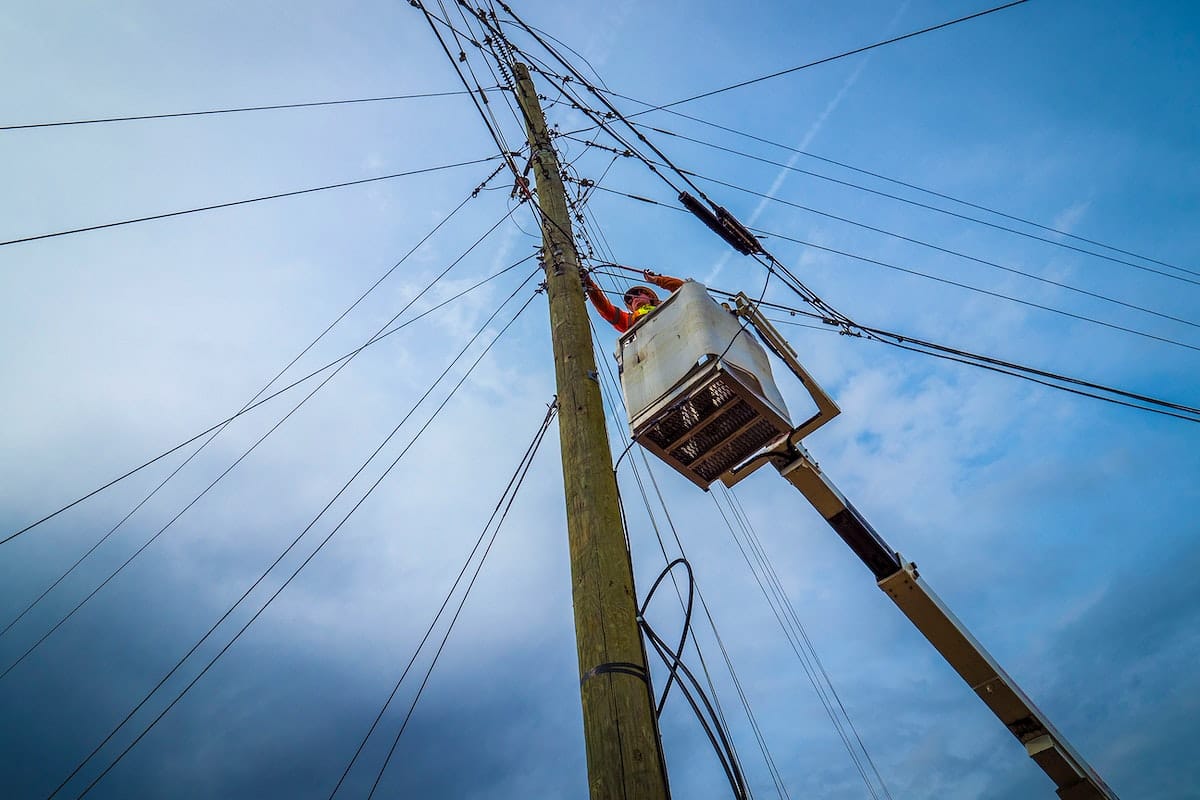
Cost increases were largely driven by labor and materials, similar to last year, representing 55 percent of total project expenditures.The report did note that "make ready" costs, which are the costs associated with prepping a project, increased 150 percent in some cases did have a significant impact in shifting projects from undergrounding lines to ariel projects. Projects that connect above ground tend to require less time and labor, which in turn lowers labor costs.
Permitting represented about 10 percent of the cost of an average project according to the report, with their most significant impact relating to delays which “tend to have a domino effect on other project cost components, introducing uncertainty that further inflates planning costs and timelines” the report said.
Member discussion