Fiber Group Says Broadband Key to Closing Connectivity Gap on Tribal Lands
A new report says fiber networks can support economic growth, healthcare access, and long-term resilience in Tribal communities.

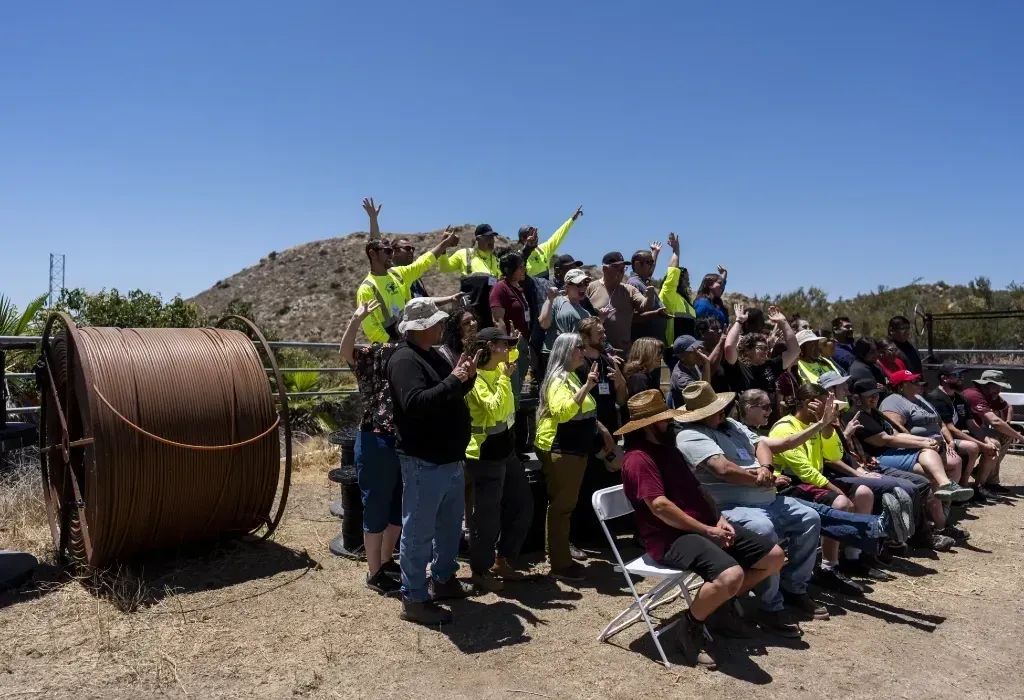
WASHINGTON, March 25, 2026 – The Fiber Broadband Association said fiber infrastructure is critical to closing the digital divide in Tribal communities, where connectivity gaps remain significantly higher than the national average.
In a new report titled How Fiber Broadband Can Close the Digital Divide in Tribal Communities, the group said roughly 24 percent of residents on Tribal lands lack reliable internet access, compared to about 7 percent nationwide.
The report said fiber is the most durable and scalable technology for meeting long-term connectivity needs, supporting applications such as telehealth, education, and economic development.

“When we invest in fiber on Tribal lands, we are investing in long-term resilience,” said Deborah Kish, vice president of research and workforce development at the Fiber Broadband Association.
The report pointed to several Tribal-led broadband projects, including networks operated by the Saint Regis Mohawk Tribe, Navajo Tribal Utility Authority, and the Chickasaw Nation, as examples of community-driven infrastructure development.
It also called for policy changes to accelerate deployment, including improved federal coordination, simplified funding processes, and expanded technical assistance for Tribal governments.
The findings came as policymakers and industry groups continue to debate how best to close persistent connectivity gaps in rural and underserved communities.