First FCC Spectrum Auction in Four Years Brings in $54 Million on Day One
Is SpaceX or EchoStar joining the carriers in bidding?

WASHINGTON, June 3, 2026 – The first spectrum auction by the Federal Communications Commission in four years began Tuesday, and the results were so-so.
The first day of bidding in the AWS-3 re-auction brought in $54 million, the FCC said.

That’s relatively low, and could mean there is less demand than expected for the licenses, or simply that carriers are concealing demand until later in the bidding process, analysts said. The licenses brought in $3.4 billion when they were first sold to Dish in 2014.
Bidding ended at 5 p.m. Tuesday. There are three rounds set for Wednesday, which began at 10 am. Bidding will continue each business day until participants stop placing bids.
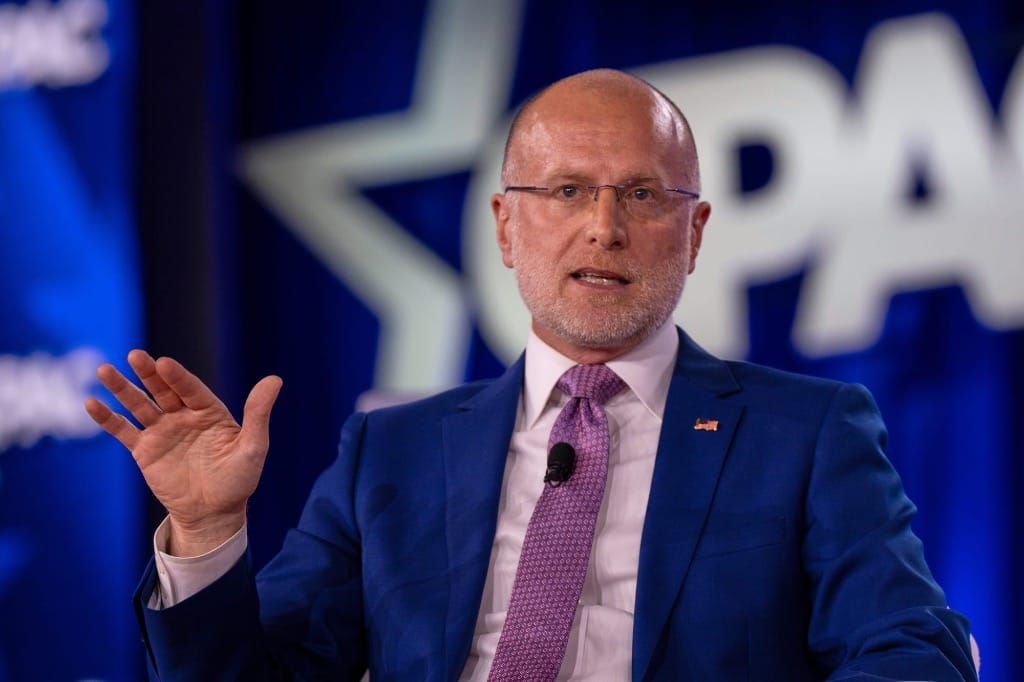
“Finally! The FCC is back in the game,” FCC Chairman Brendan Carr said in a statement. “Spectrum auctions are the lifeblood of licensed wireless service, and it has been far too long since the FCC has run an auction.”
Who’s bidding?
The three major wireless carriers are almost certainly bidding in big markets — licenses in New York, Boston, and Chicago are up for grabs — analysts said. But four entities went for those three largest markets, and there’s an average of 3.5 bidders in markets with at least 1 million people, according to a BNP Paribas analysis.
“Is this Charlie trying to support the valuation and ensure he’s not on the hook for any penalty? Or is this SpaceX joining the party?” New Street Research analyst David Barden wrote in an investor note. “We think it is most likely the former vs. the latter.”
He noted there were 39 licenses with no bids yet, and SpaceX “would need licenses in as many markets as they can” if the company was looking to buy additional spectrum to compete more directly with the carriers. There are 200 total licenses up for grabs.
EchoStar, led by founder and CEO Charlie Ergen, has interest in keeping demand high. If the licenses fetch below $2.9 billion in total, the company is on the hook for the difference.
EchoStar bought Dish, and the shortfall payment is a condition of the company returning the licenses now being re-auctioned. The FCC had found Dish subsidiaries improperly received small business budding credits.
The company had sued over the auction rules, fearing they could result in such a shortfall payment, but reached a settlement agreement with the agency. The Tenth Circuit case was dismissed with prejudice Tuesday.
Where are they bidding?
Most of the money so far, $29 million, is being bid in the four biggest markets, according to BNP senior analyst Sam McHugh. Three of those had four bidders, as did eleven other licenses.
“The key thing to watch for over the next few days is how sticky this demand in the large markets is,” he wrote in an investor note. “If demand quickly falls from four bidders to two, for example, it will signal that auction prices may end up lower than expected.”
He wrote the licenses with no demand were smaller markets. It’s likely that once prices start settling out, bidders will jump in and scoop up the less attractive licenses that currently have no bids, he wrote.
McHugh also noted there are three bidders for two licenses that only SpaceX was expected to bid for, as they were in the same part of the band as other licenses SpaceX is buying from EchoStar and the carriers don’t have the gear to use them.
“This could be a sign that the carriers would prefer to warehouse these licenses than see them end up in SpaceX’s hands,” he wrote.